Dakar, Senegal
Summary of the P3V webinar (1/5): understanding the P3V Project, its objectives and key results
November 26, 2025
Read more
Faced with the intensification of interactions between humans, animals and their environment, the risks of emergence and spread of animal and zoonotic diseases are now a major public health issue. In this context, Veterinary Services play a fundamental role in the prevention, detection and control of these threats, thus contributing to the protection of animal health, human health and the environment. Yet, in many countries, these services face significant structural challenges: insufficient human resources, lack of training adapted to the realities on the ground, inadequate practical experience of animal health workers, resistance to change within public administrations, or incomplete regulatory frameworks, especially with regard to veterinarians and veterinary paraprofessionals (VPPs) and including gender equity issues. These constraints weaken the ability of Veterinary Services to respond effectively to the growing needs of our societies. However, having well-trained, competent and recognised veterinary and paraprofessional staff is an essential condition for ensuring resilient and efficient animal health systems.
To support Member States in this process, the World Organisation for Animal Health (WOAH) is rolling out the Performance of Veterinary Services (PVS) Pathway, a flagship programme aimed at sustainably improving national capacities. This tool allows countries to assess their veterinary systems, identify their strengths and weaknesses, and define appropriate reform, recruitment and training strategies.
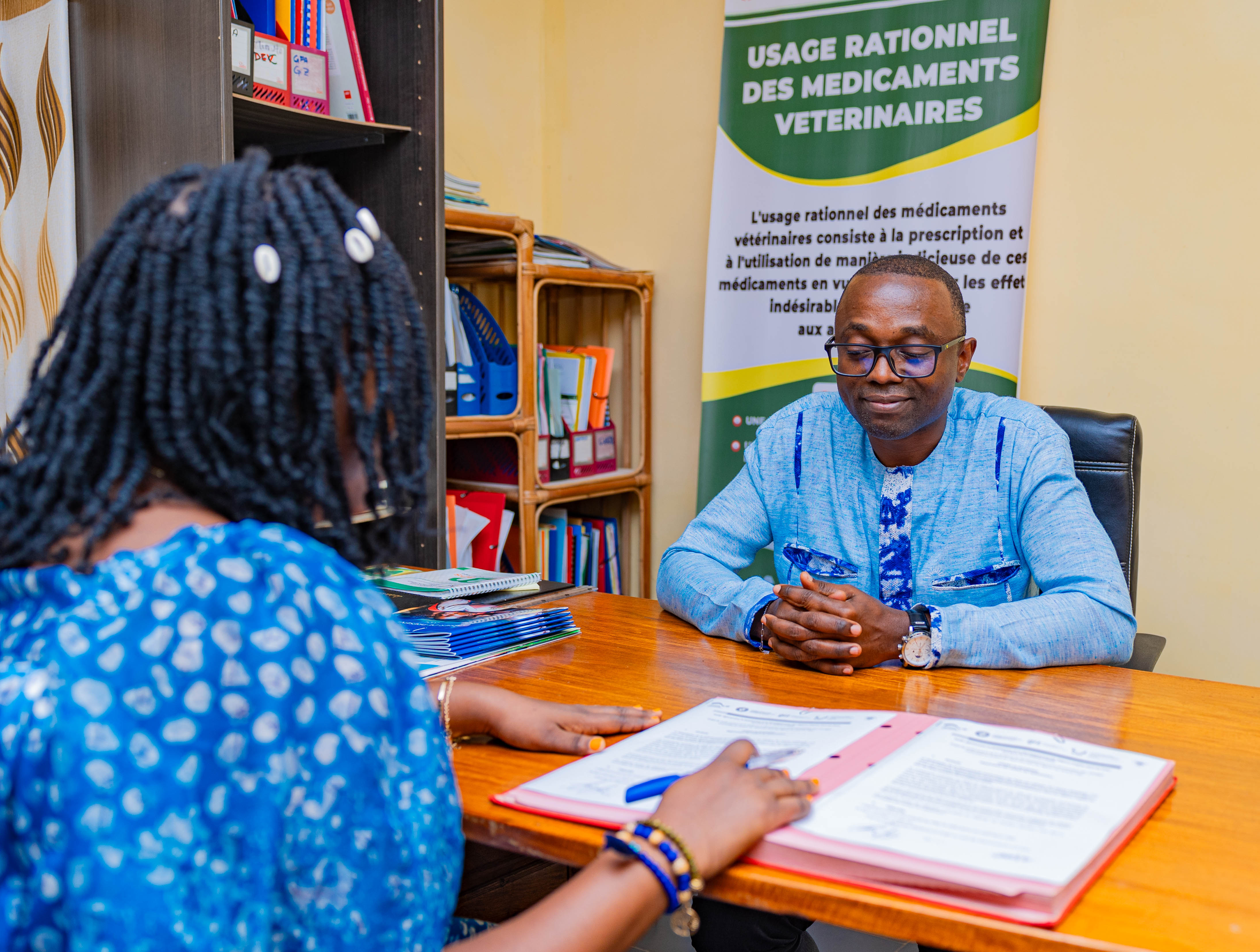
Veterinary human resources’ assessments are an essential lever in this respect. They help to highlight gaps in skills, qualifications and needs, in order to design targeted and relevant training, while ensuring the well-being of professionals and the animals in their care.
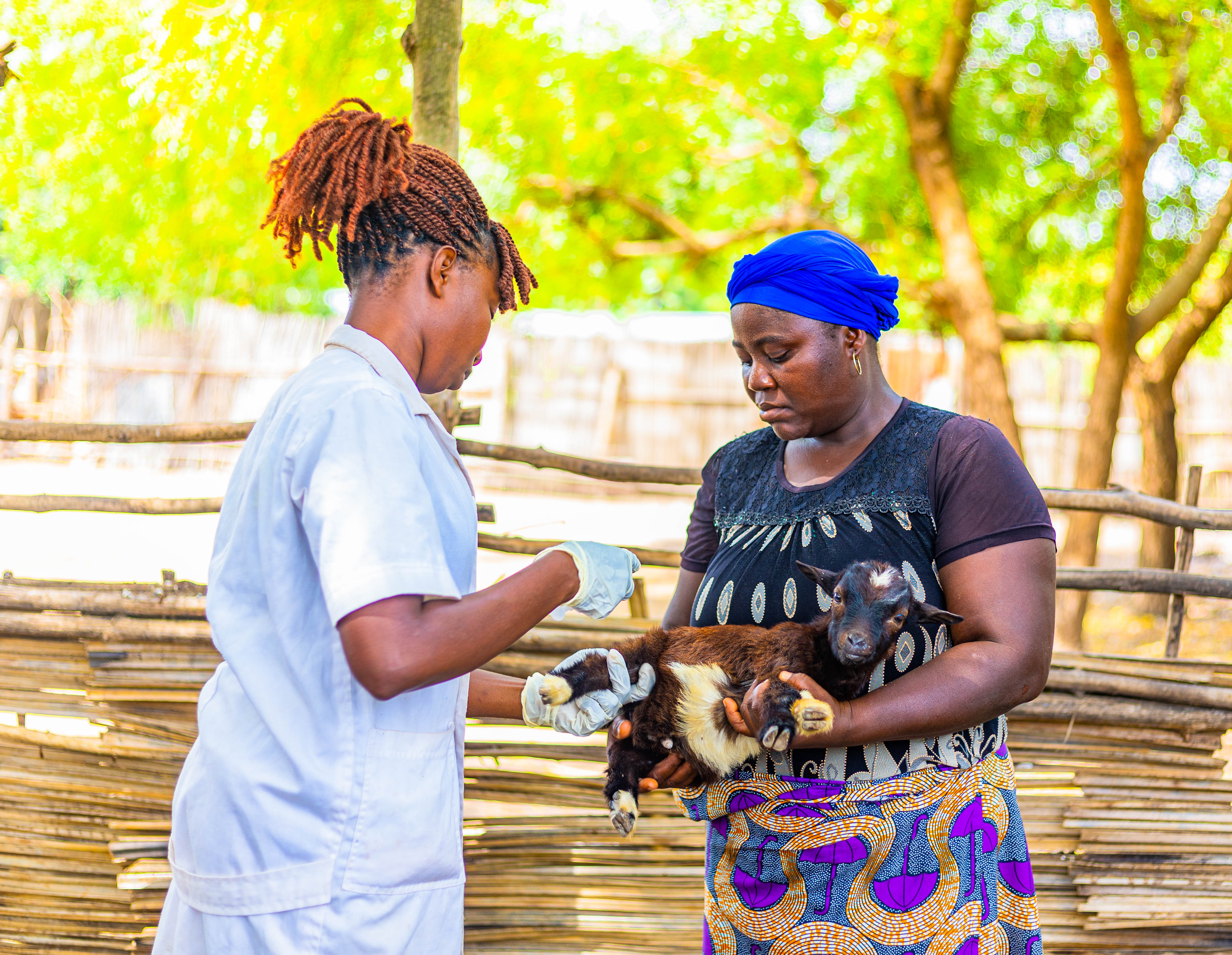
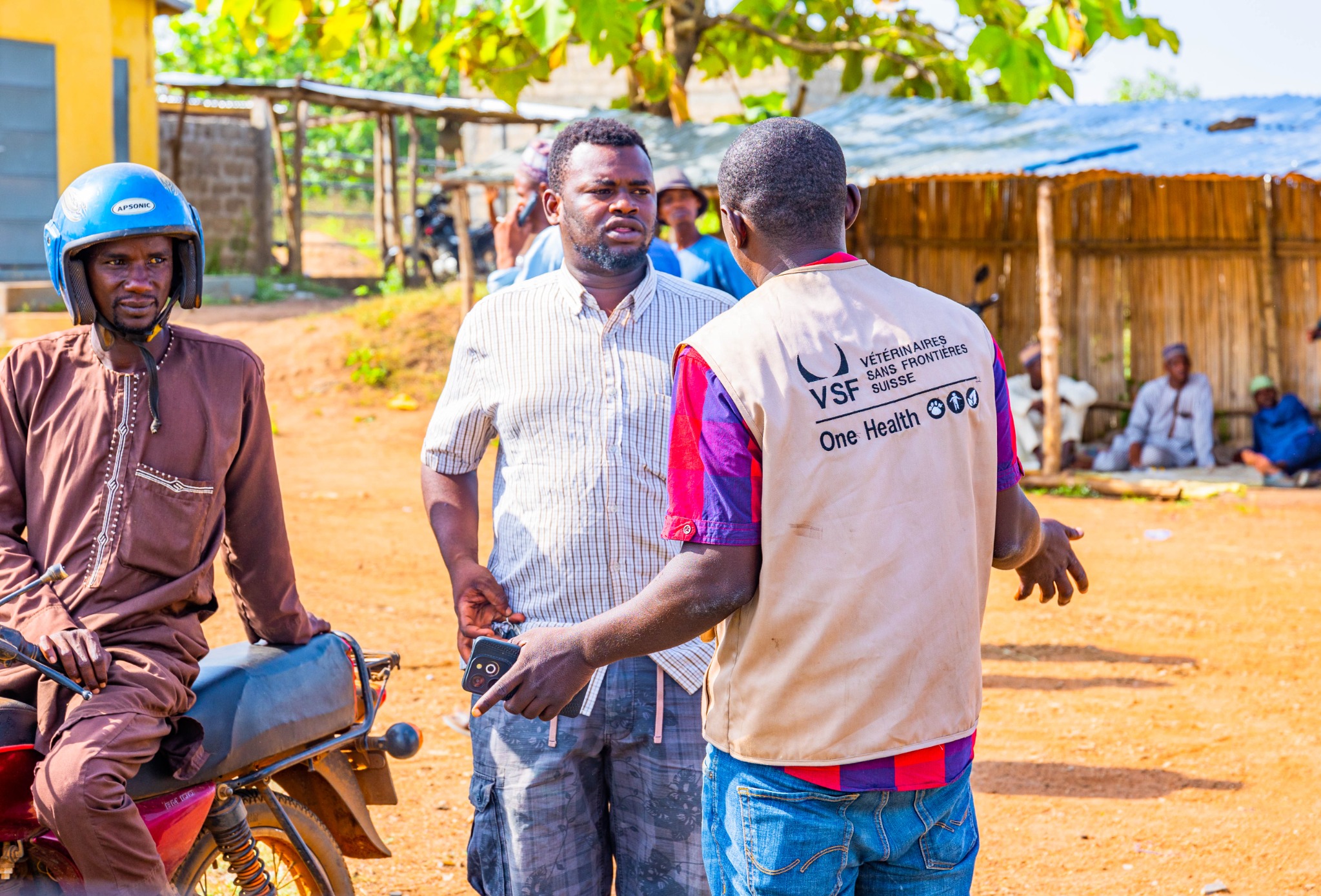
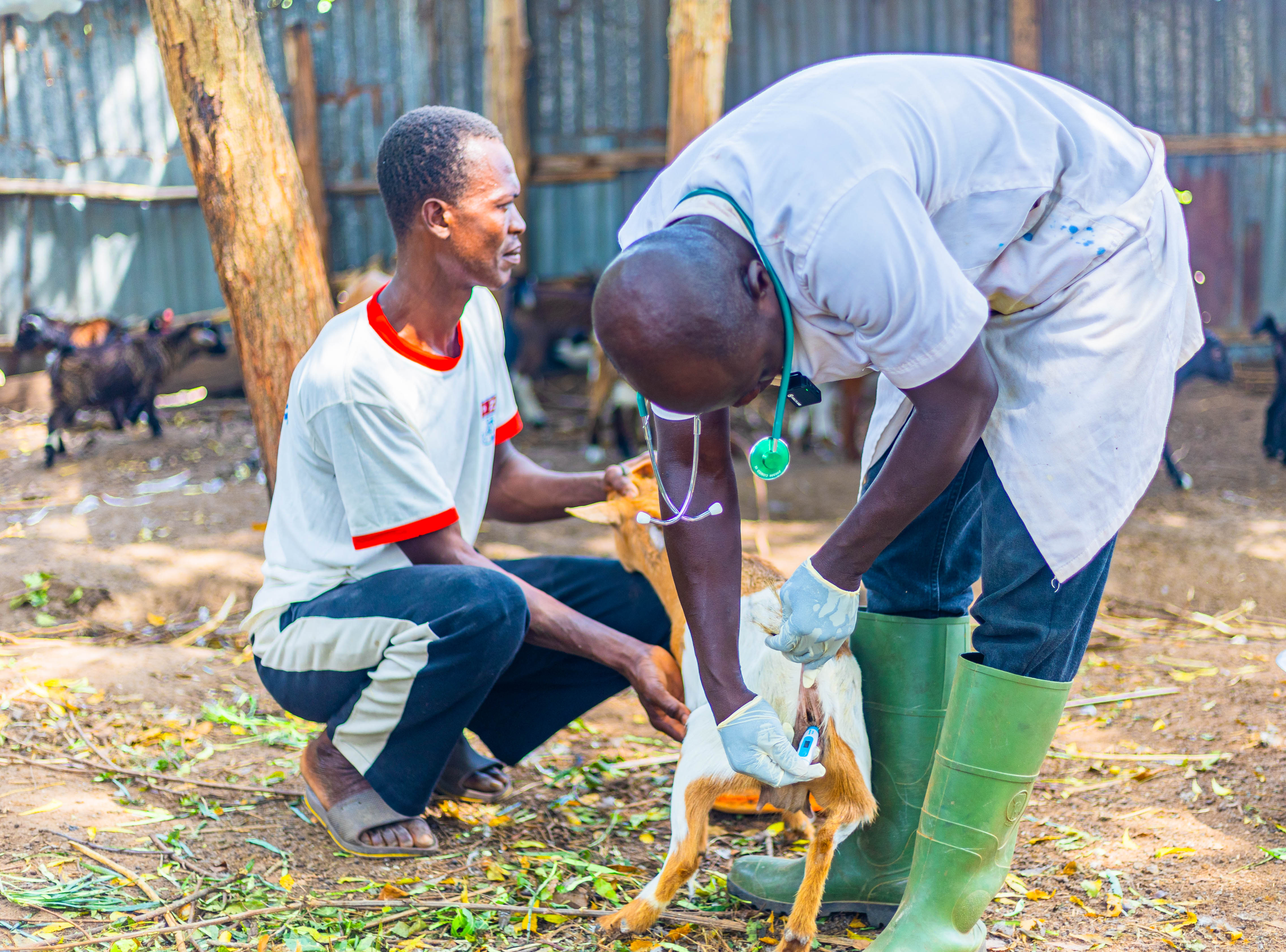
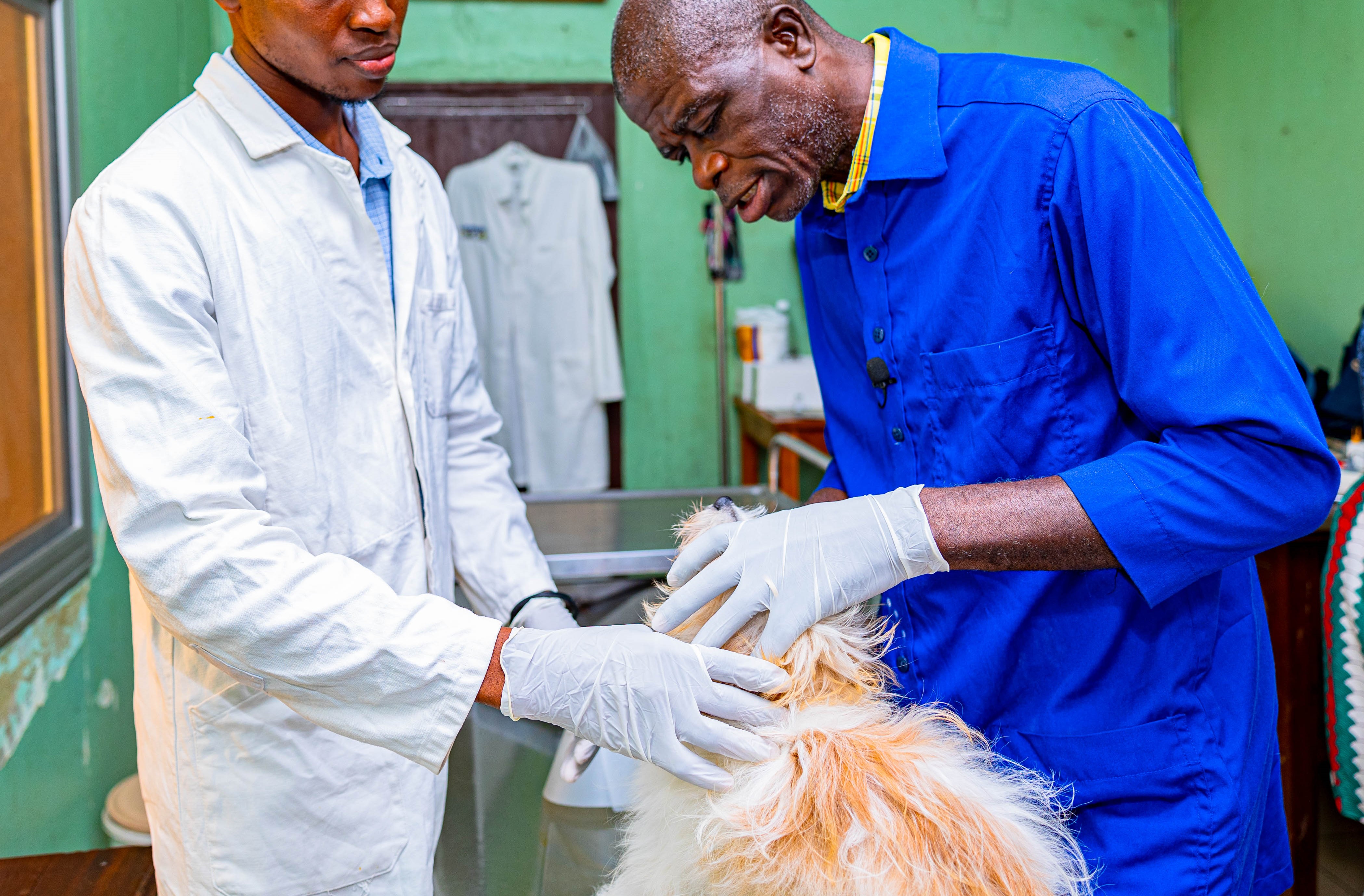
The Professionalising Veterinary Paraprofessionals (P3V) Project is part of this dynamic. Implemented by WOAH with the support of its partners, the Project aims to sustainably strengthen the capacities of Veterinary Services by enhancing the strategic role of VPPs, these frontline actors in contact with pastoralists and rural communities.
By supporting the improvement of training, recognition and integration frameworks for veterinary paraprofessionals, the P3V contributes to better health coverage, more effective prevention of animal and zoonotic diseases, and a coordinated response to health emergencies, in a One Health approach.
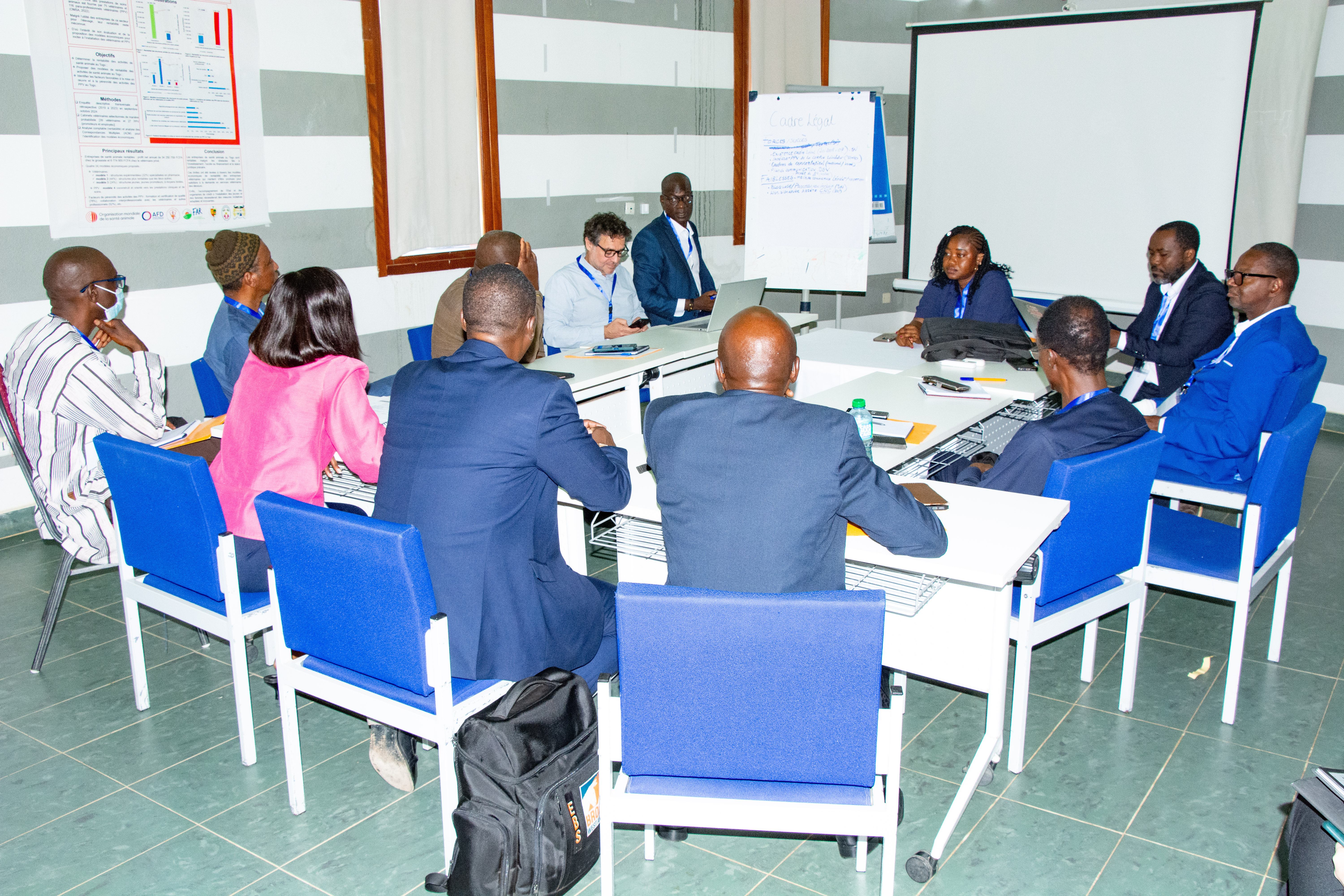
For WOAH, strengthening Veterinary Services also relies on communication and close collaboration between countries, veterinary authorities, professional associations, training institutions and other relevant stakeholders.
Through the P3V Project, this vision is being translated into concerted, forward-looking actions to prepare veterinary systems for current and future health challenges, while contributing to health security, food security and sustainable development in West Africa.
Strengthening Veterinary Services to better protect animal, human and environmental health (in French). Video (c) WOAH (P3V) 2025