
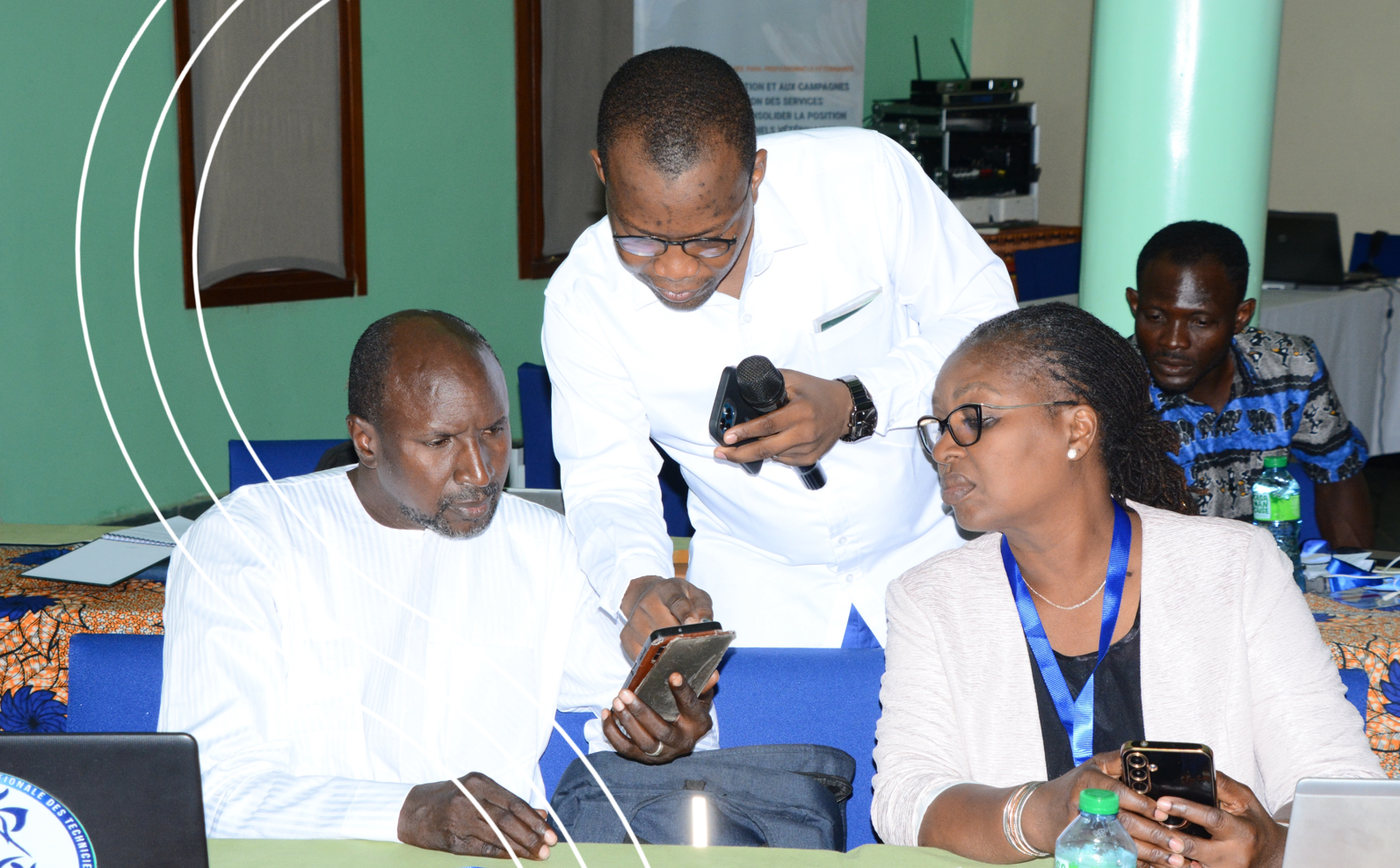
Official launch of the digital MUPSA (Manual for Animal Health Personnel)
December 02, 2025
Read more
On 26 November 2025, the World Organisation for Animal Health (WOAH), with financial support from the French Development Agency (AFD), organised a webinar on the impact and capitalisation of the ‘Professionalisation of Veterinary Paraprofessionals‘ (P3V) Project. The aim of this event was to highlight the main results of the project, the lessons learned from its implementation, and the prospects for sustaining the achievements.
This article is the first in a series of five contributions from this webinar, each reflecting one of the presentations.
This first article provides an overview of the P3V project, focusing on its objectives, structure and main achievements.
It is based on the introductory presentation by Dr Mariam Alhamdou, P3V Project Coordinator, who outlined the project’s implementation framework, its architecture and the major results achieved since its launch in 2020.
Veterinary paraprofessionals (VPPs) play a central role in animal health systems, particularly in areas where veterinary services remain limited.
As Dr Mariam Alhamdou, pointed out, their role is governed by the WOAH Terrestrial Animal Health Code, which authorises this cadre, under the supervision of a veterinarian, to perform a number of essential tasks.
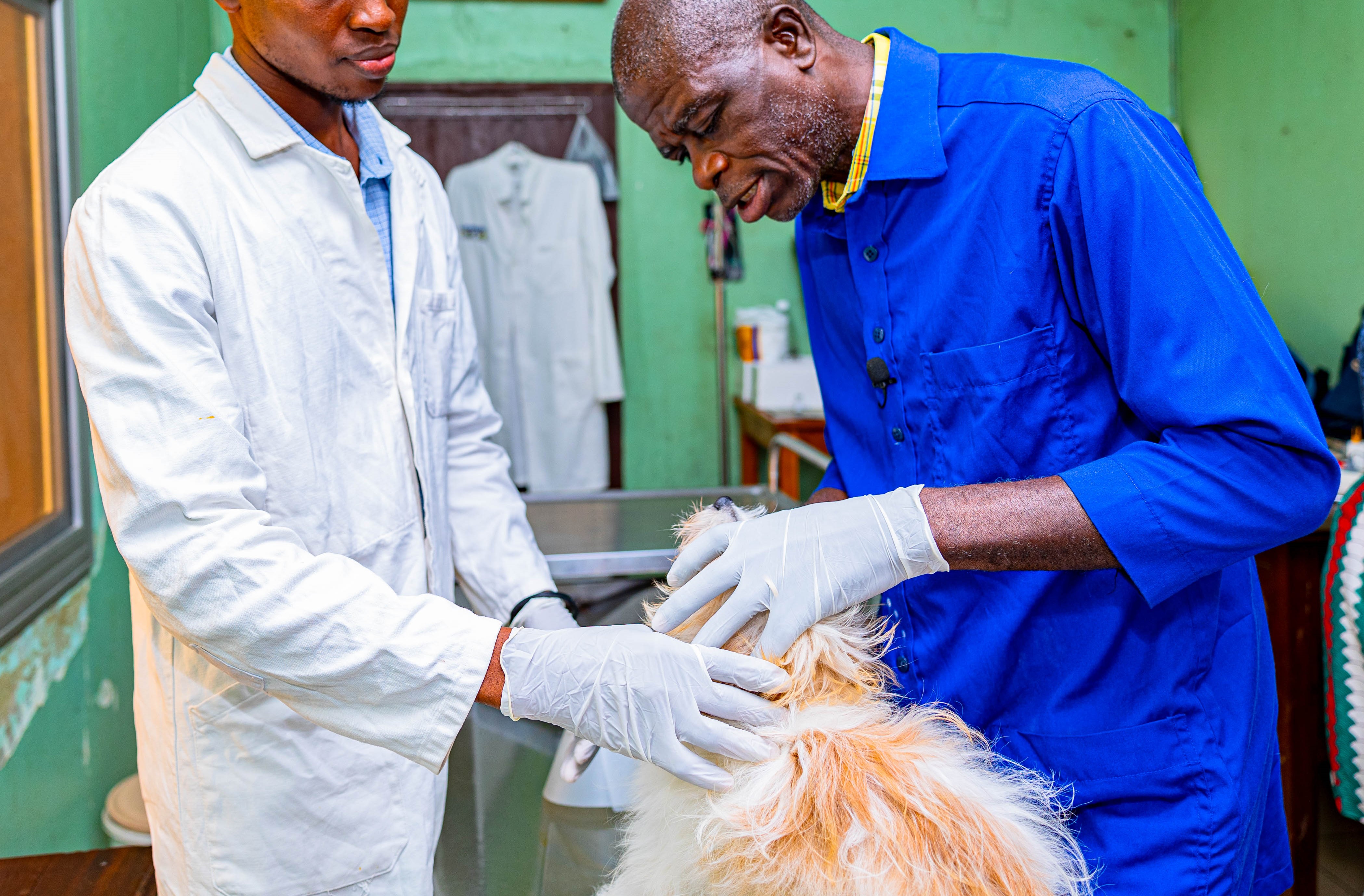
In the field, VPPs are involved at various levels of the animal health chain. They participate in disease prevention and control, epidemiological surveillance, the implementation of vaccination campaigns, clinical care support, and the inspection of foodstuffs of animal origin.
Their work contributes directly to protecting animal health, but also to food safety and farmers’ livelihoods.
In many rural and remote areas, VPPs are often the first, and sometimes the only, point of contact between livestock farmers and veterinary services.
This proximity to the field explains the strategic importance attached to their professionalisation by the WOAH, with the support of the AFD, in order to improve livestock farmers’ access to quality veterinary services in the long term.
The Professionalisation of Veterinary Paraprofessionals (P3V) Project was launched in September 2020 to address a major challenge shared by several West African countries: strengthening the coverage and quality of Veterinary Services, particularly for the benefit of livestock farmers.
Implemented in Senegal, Togo and Benin, the Project aims to structure, supervise and promote the role of VPPs within national animal health systems. Initially planned to last four years, P3V has been extended twice. It is now scheduled to end in June 2026. This final implementation period will enable the consolidation of achievements, the strengthening of communication and the structuring of the capitalisation of lessons learned from its implementation.
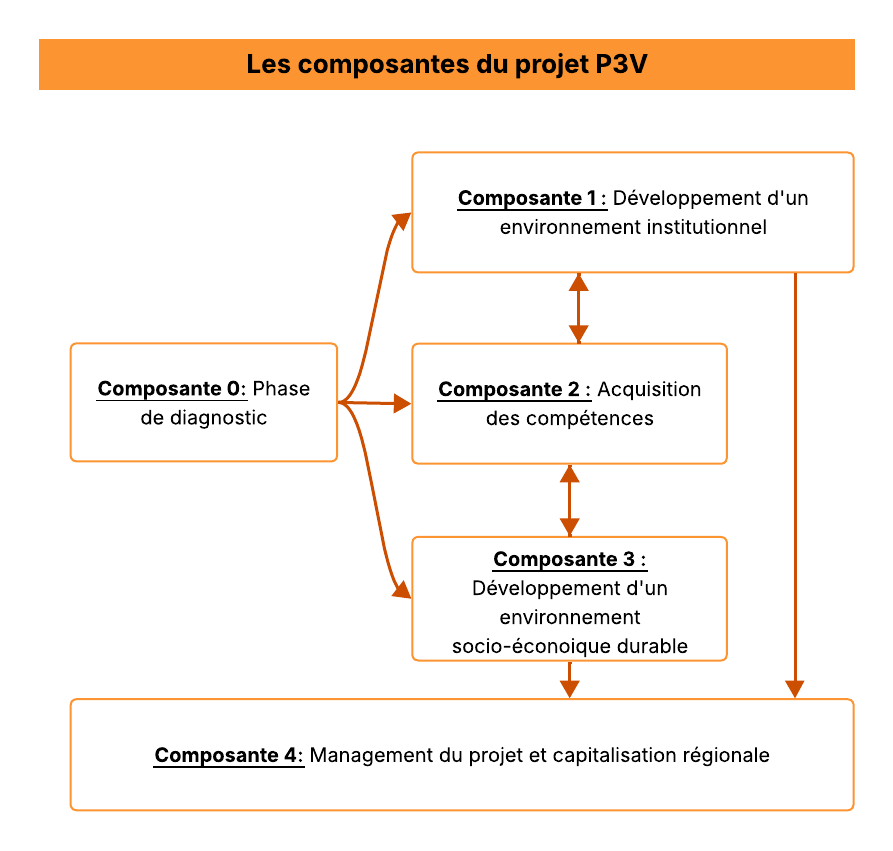
Une architecture en cinq composantes complémentaires IIIIIIIII An architecture consisting of five complementary components
The P3V is structured around five components, designed to respond to national realities and the needs of stakeholders in line with the specific objectives of the project:
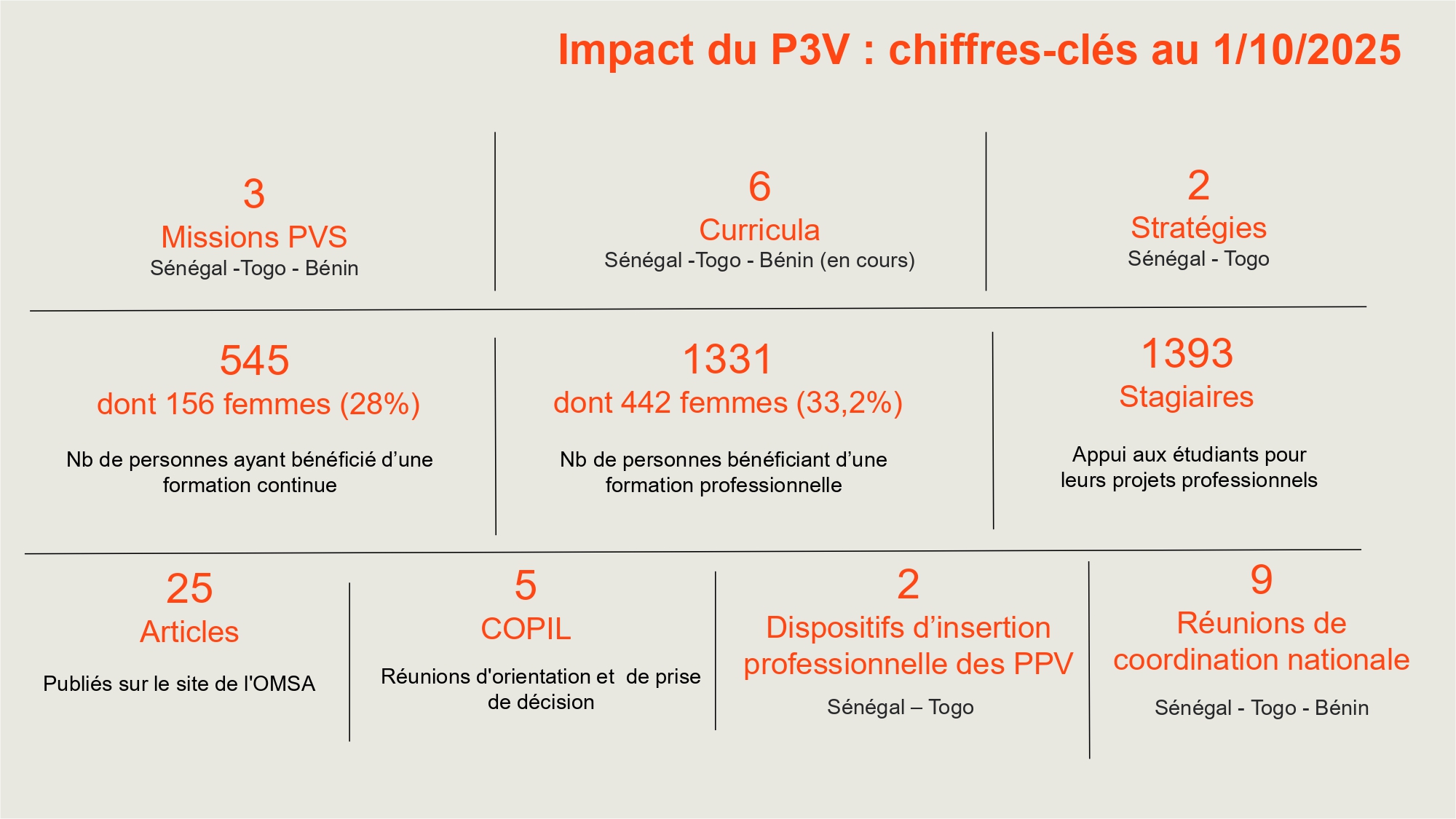
Tangible results after five years of implementation, the P3V project has achieved significant results:
These results demonstrate the relevance of the P3V model and its potential for replication in other contexts.
Impact du Projet P3V. Chiffres clés en octobre 2025 IIIIIIIIIII Impact of the P3V Project. Key figures in October 2025.
The extension of the Project until June 2026 will enable communication to be strengthened, lessons-learned-videos to be produced, impacts to be documented and the tools developed to be consolidated so that they can be transferred to other countries.
This initial webinar presentation thus laid the foundations for broader reflection on the sustainability of P3V, its lessons learned and the prospects for regional and international expansion.
Presentation of the Professionalisation of Veterinary Paraprofessionals Project (P3V). Dr Mariam Alhamdou (WOAH). In French
PDF - 2.14MB