



WOAH hosts the second PROVNA2 webinar on Entomology – Use of Mosquito traps
July 15, 2025
Read more
The WOAH Sub-Regional Representation for North Africa hosted the third webinar of the PROVNA2 project, focusing on the role of Whole Genome Sequencing (WGS) in the surveillance and control of vector-borne diseases (VBDs). The virtual session brought together national contact points and laboratory experts from the five participating North African countries: Algeria, Libya, Mauritania, Morocco and Tunisia.
The webinar responded directly to countries’ requests for deeper technical guidance on the application of genomic tools in monitoring pathogens of public and animal health importance — particularly Rift Valley Fever (RVF), the priority disease of PROVNA2.
As climate-sensitive diseases continue to expand geographically, genomic technologies are increasingly necessary to detect viral evolution, track transmission pathways and support risk-based decision-making. The PROVNA project — a WOAH flagship initiative using Earth Observation and satellite data to design regional surveillance strategies — integrates Capacity Building activities on genomic data as a critical component of its scientific approach.
This webinar aimed to strengthen countries’ understanding of how WGS can support early warning systems, outbreak investigation and long-term monitoring of mosquito-borne pathogens.
Two invited experts provided in-depth presentations on the use of WGS for VBDs:
Speaker: Dr Cesare Cammà (IZS Teramo)
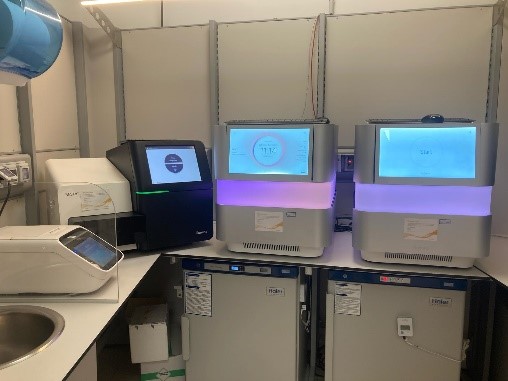
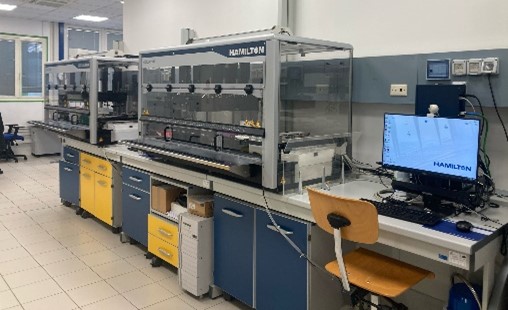
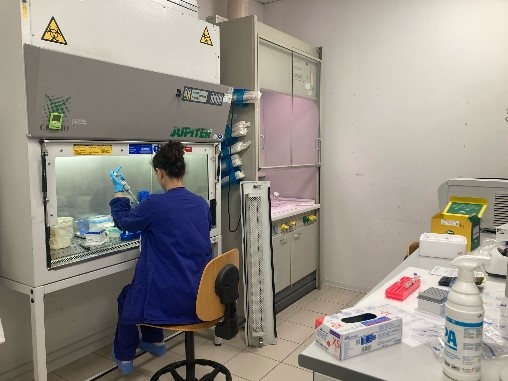
Dr Cammà presented the sequencing activities carried out at the Italian Reference Centre GENPAT, detailing laboratory workflows, quality standards, and the integration of genomic data into national surveillance systems. The session highlighted the added value of WGS in identifying viral lineages, detecting mutations and improving traceability during outbreaks.
Speaker: Dr Maurilia Marcacci (IZS Teramo)
The second presentation focused on the application of WGS specifically for viruses transmitted by vectors, including Rift Valley Fever Virus (RVFV) and West Nile Virus (WNV). Dr Marcacci explained how genomic data can refine epidemiological investigations, support phylogenetic analysis and contribute to timely, evidence-based responses.
Both presentations were followed by interactive Q&A sessions, allowing participating countries to discuss technical challenges, laboratory needs and potential opportunities for strengthening genomic capacity at national level
The webinar forms part of a broader package of activities under Work Package 3 of PROVNA2, dedicated to laboratory capacity building. This training will be followed by practical sessions in entomology and virology to be held in November 2025 in Teramo, Italy, which will also include a full day dedicated to whole genome sequencing.
Interpretation in French, English and Arabic ensured full accessibility for all participating countries.