

Strengthening genomic surveillance for vector-borne diseases: PROVNA2 hosts its 3rd webinar on Whole Genome Sequencing (WGS)
September 18, 2025
Read more
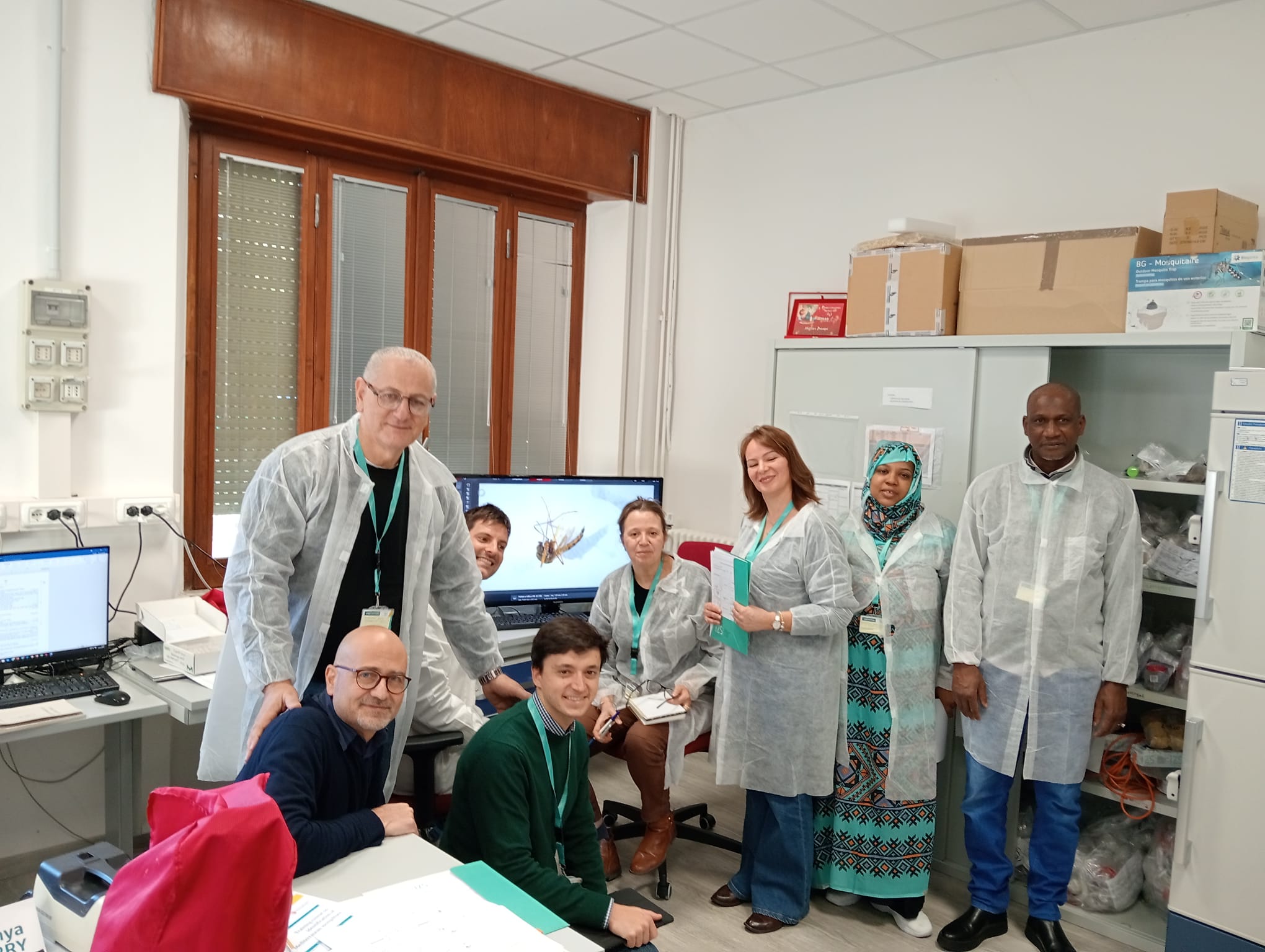
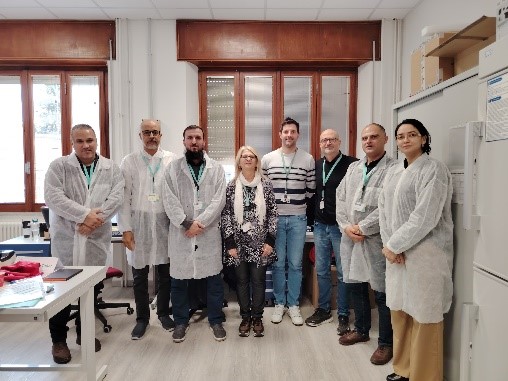
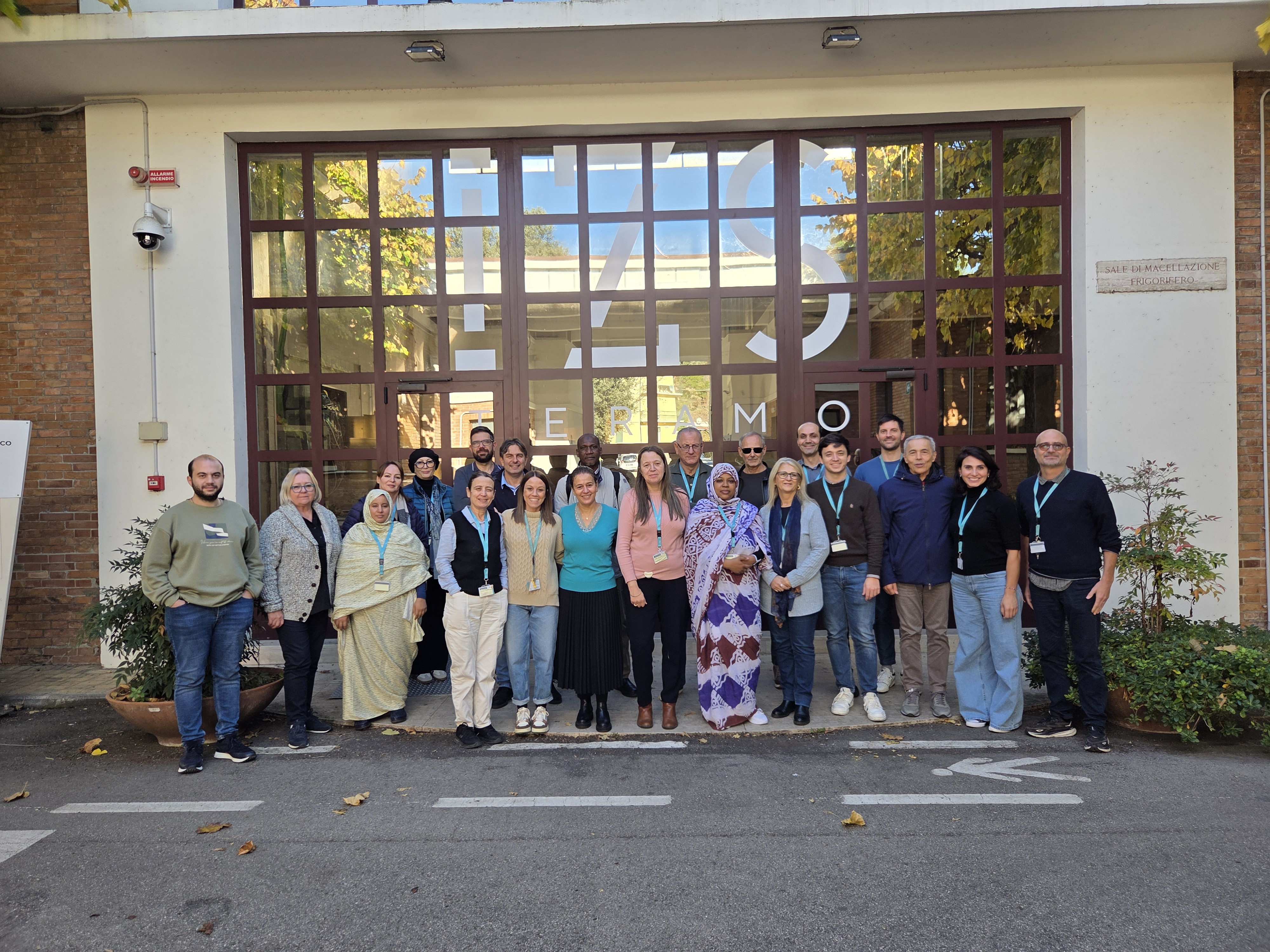
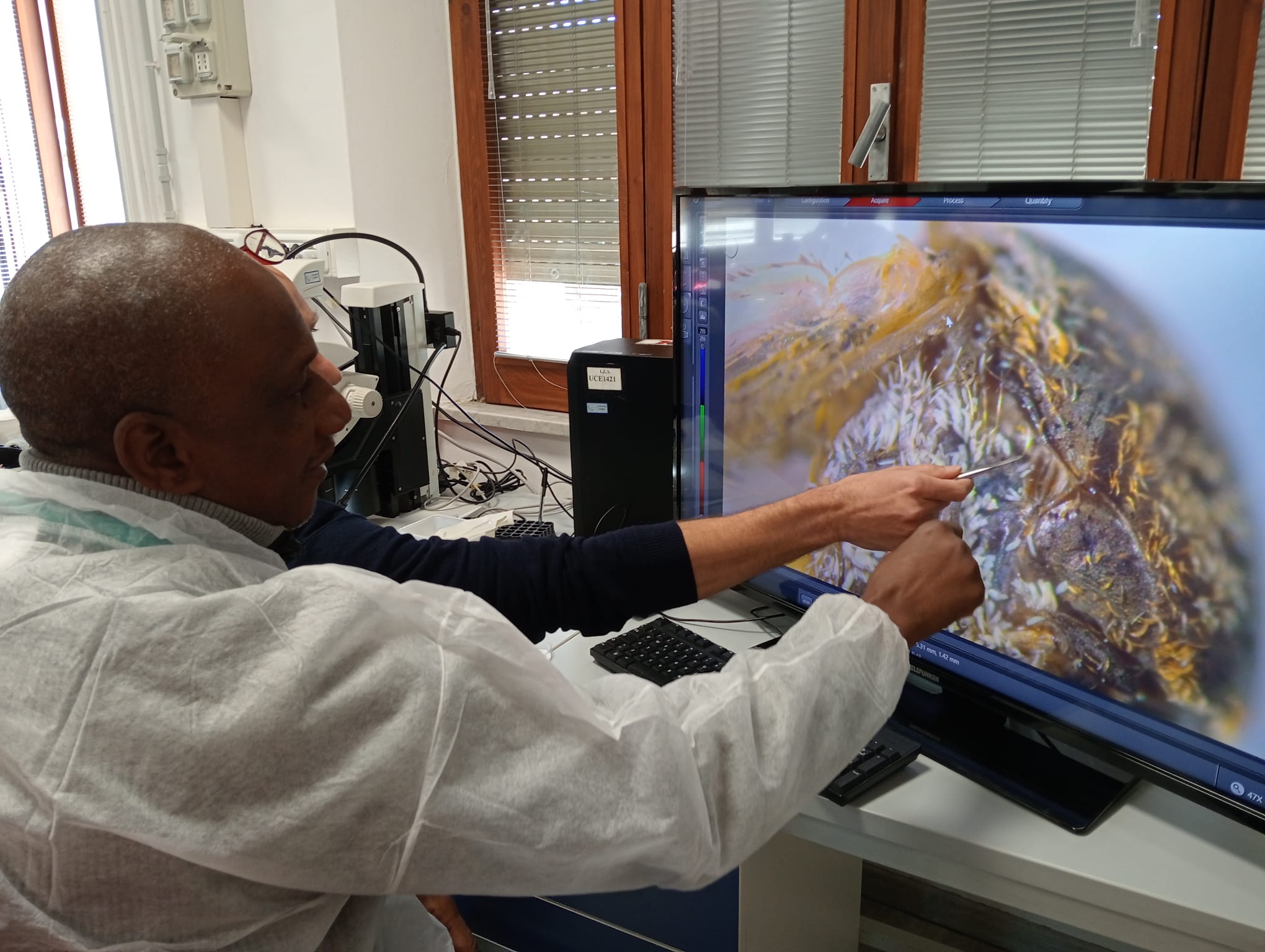
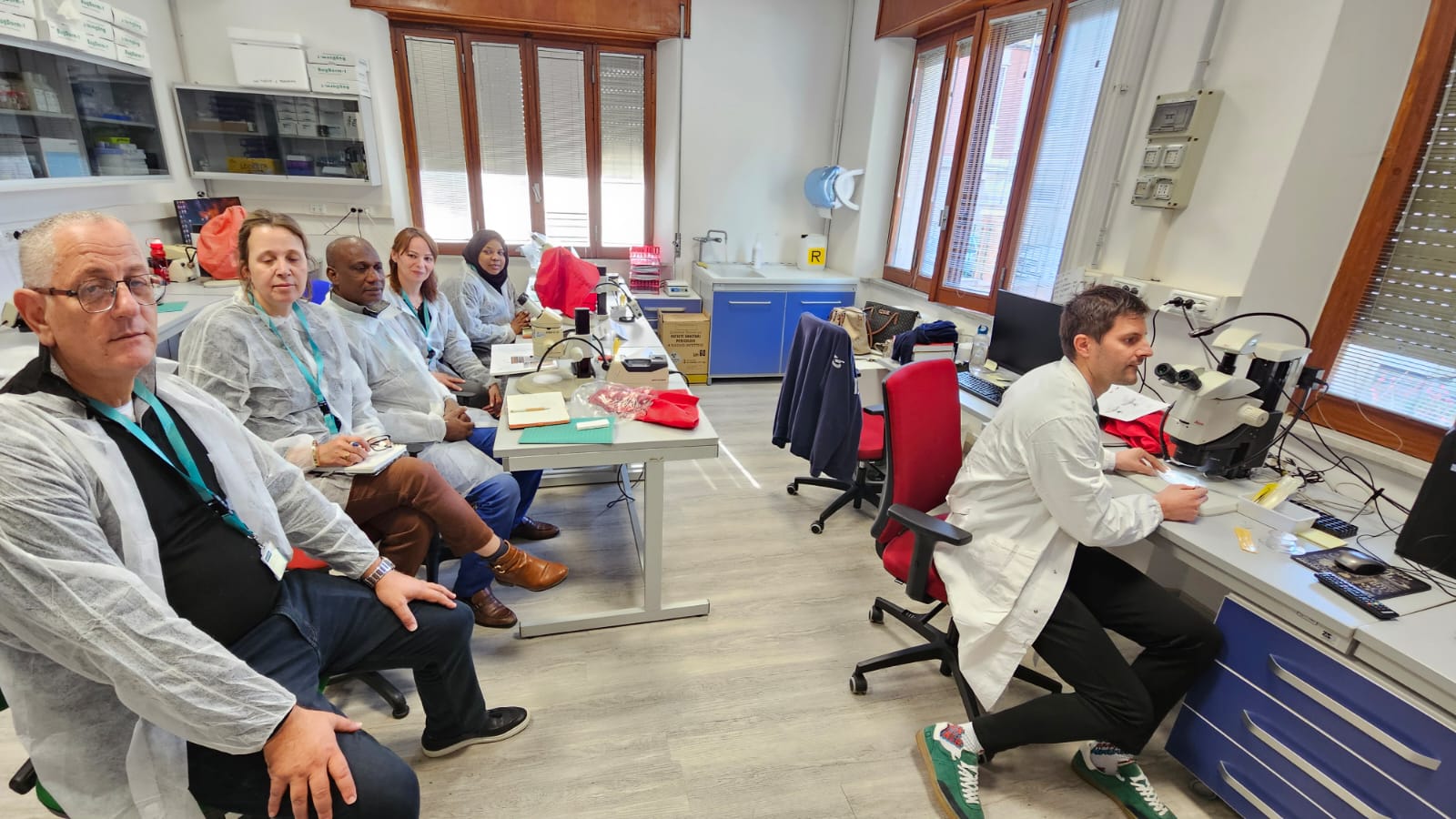
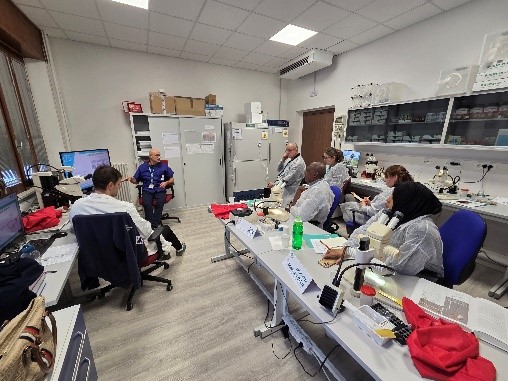
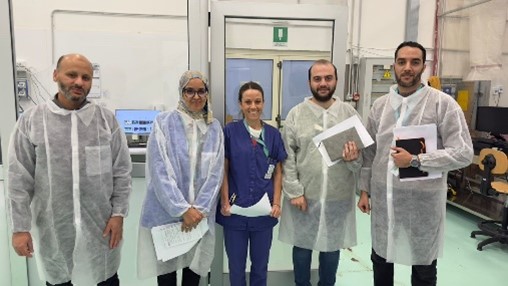
The WOAH Sub-Regional Representation for North Africa, in collaboration with the Istituto Zooprofilattico Sperimentale dell’Abruzzo e del Molise “G. Caporale” (IZS Teramo), successfully completed two consecutive rounds of intensive laboratory training on entomology and virology as part of the PROVNA2 project — one of WOAH’s flagship regional initiatives for North Africa.
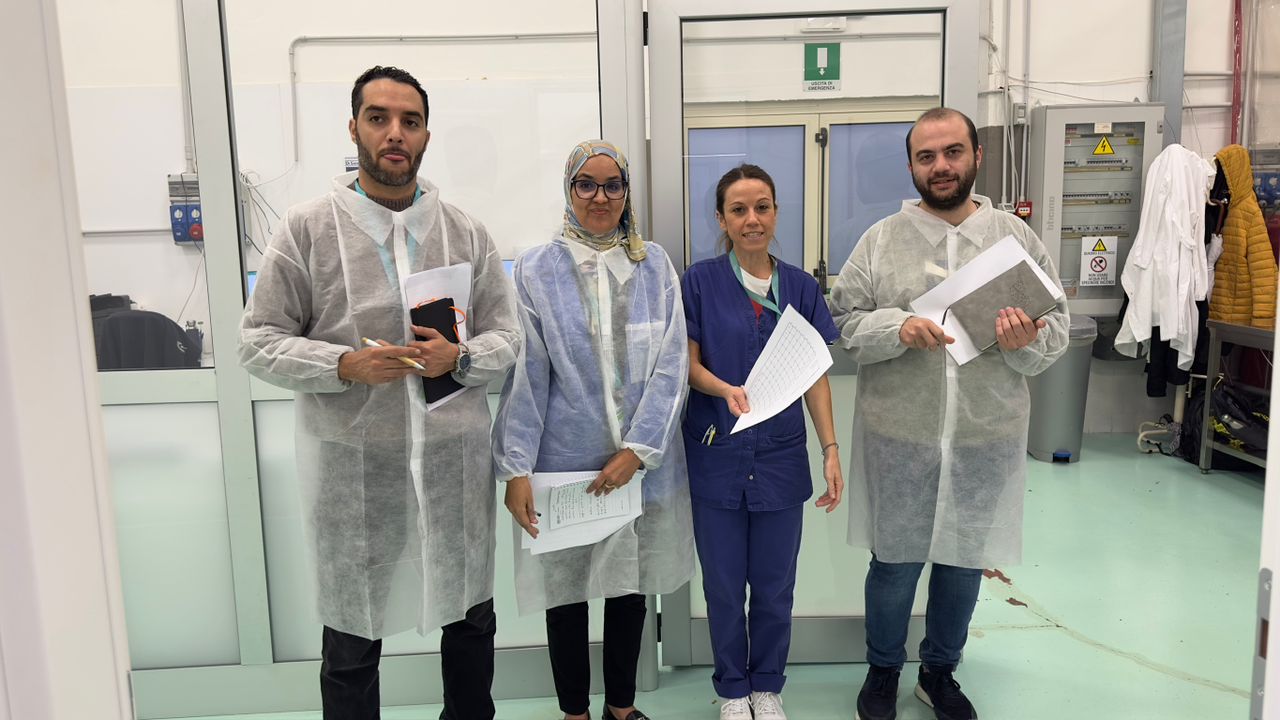
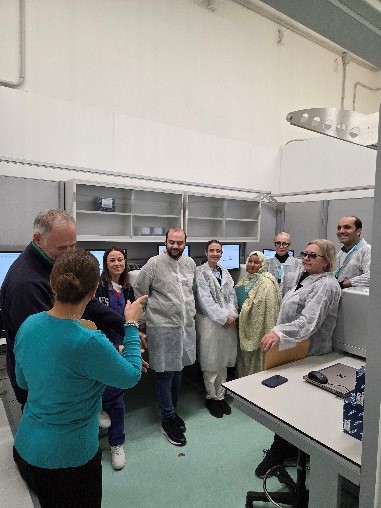
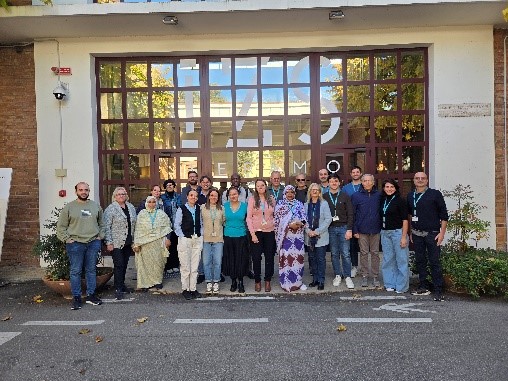
The training, held from 10–14 November and from 17–21 November, gathered laboratory experts from Algeria, Libya, Mauritania, Morocco and Tunisia to reinforce national and regional capacities to improve surveillance and control of vector-borne diseases, with Rift Valley Fever (RVF) as the primary focus.
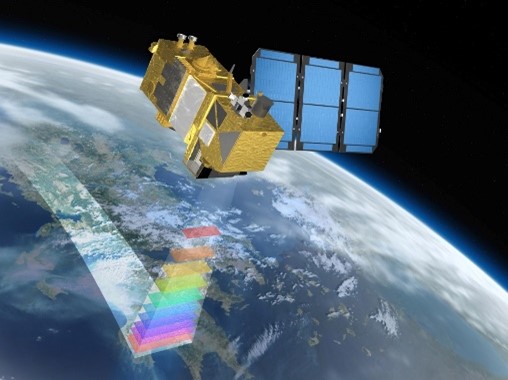
PROVNA (“Defining Ecoregions and Prototyping an Earth Observation-based Vector-borne Disease Surveillance System for North Africa”) adopts a pioneering approach by integrating Earth Observation and satellite data to map the main areas relevant for the transmission of vector-borne diseases.
Following the identification of North African eco-regions during Phase 1, PROVNA2 focuses on developing a risk-based surveillance system for mosquito-borne diseases across the region, supported by capacity building, harmonised protocols and in-field monitoring.
Participants were divided into parallel entomology and virology tracks, each designed to address critical components of VBDs preparedness.
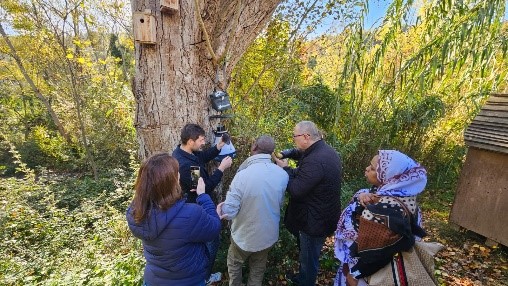
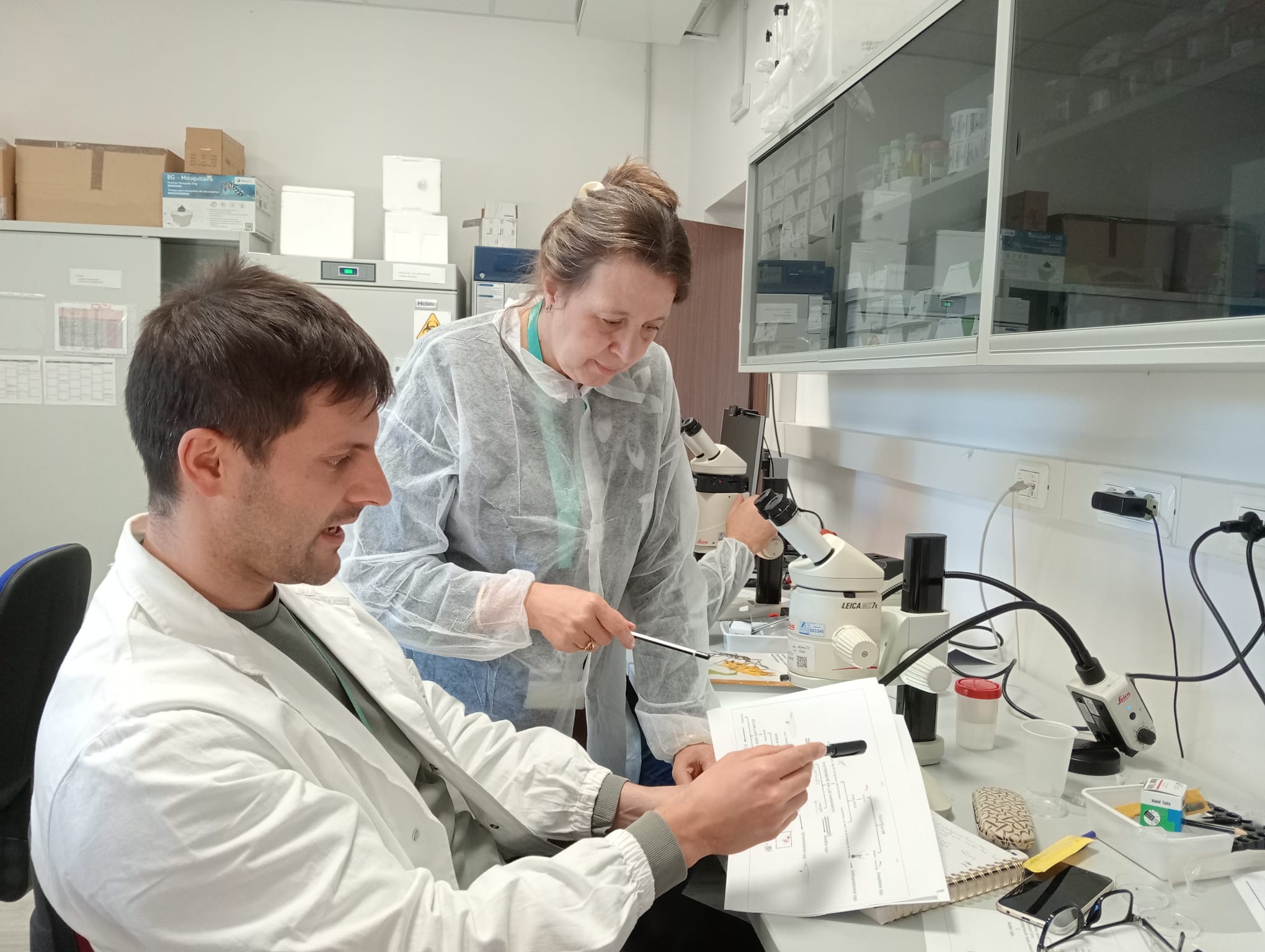
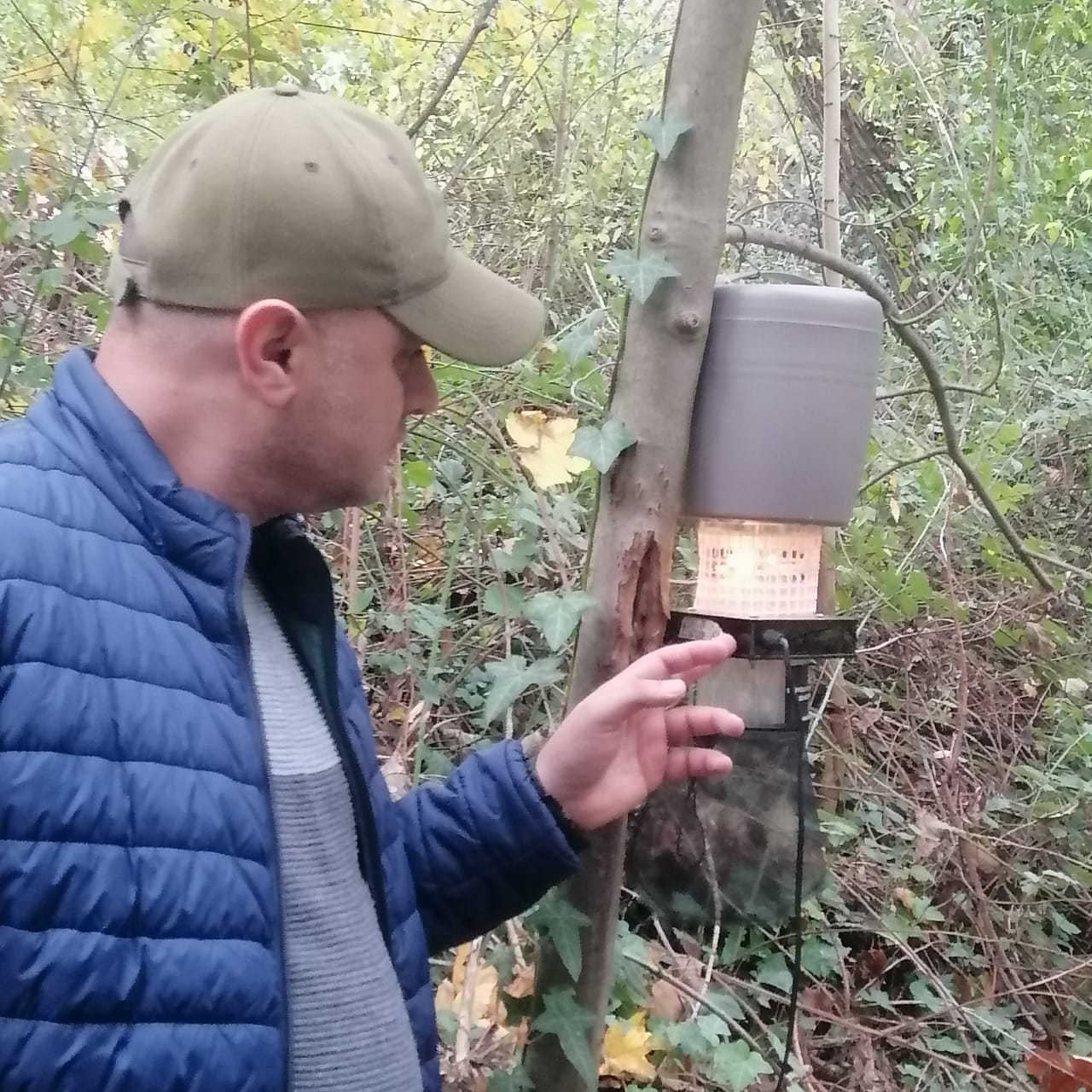
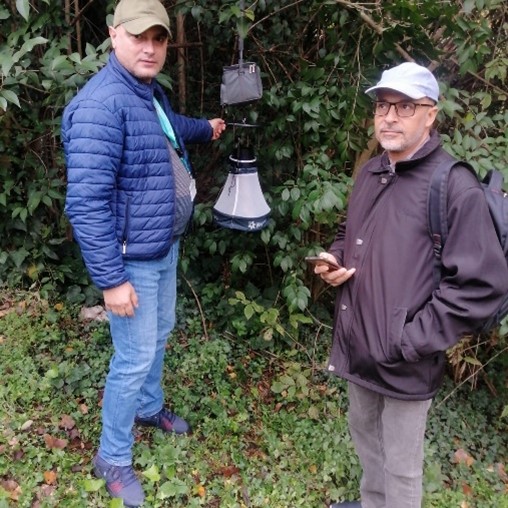
Entomology Track: Mosquito Identification and Field Methods
Experts strengthened their capacity to identify the main mosquito genera and species present in the Mediterranean Basin, including those capable of transmitting RVF.
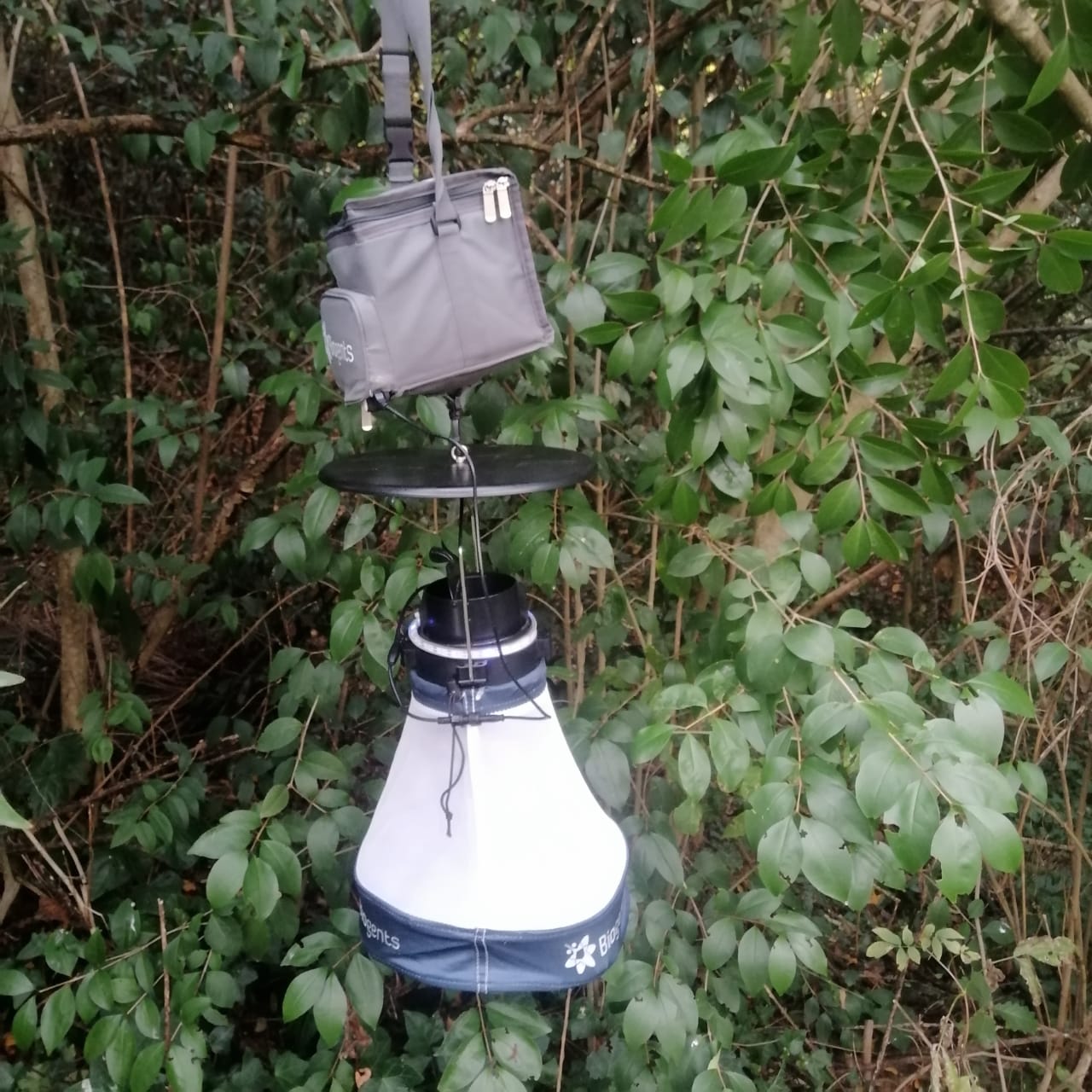
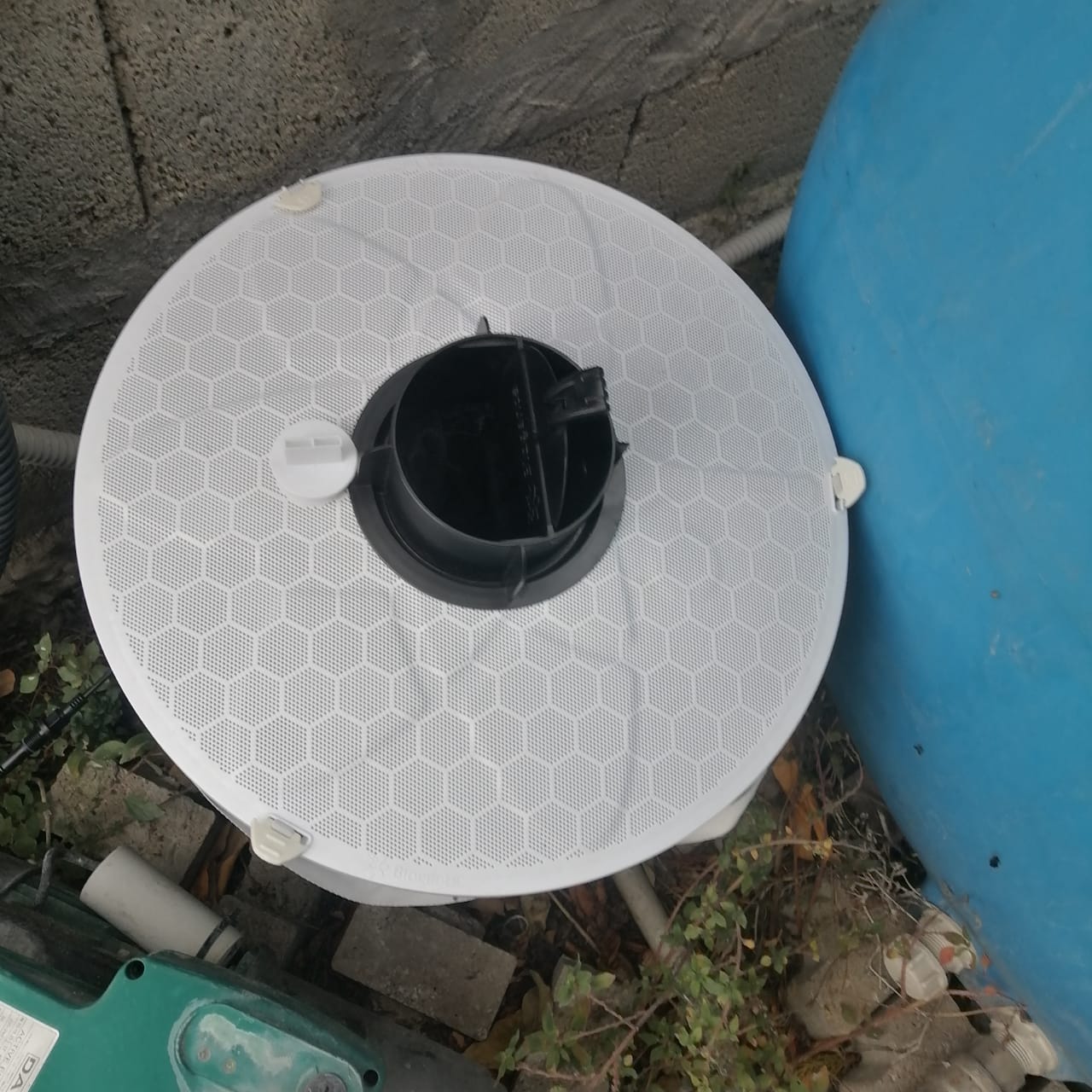
The programme included:
This training will support countries in improving their entomological surveillance systems and linking field observations to the eco-regional maps developed under PROVNA.
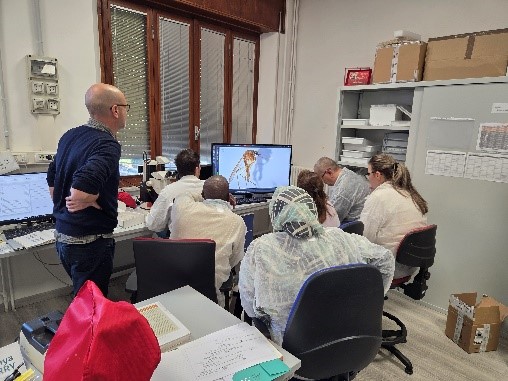
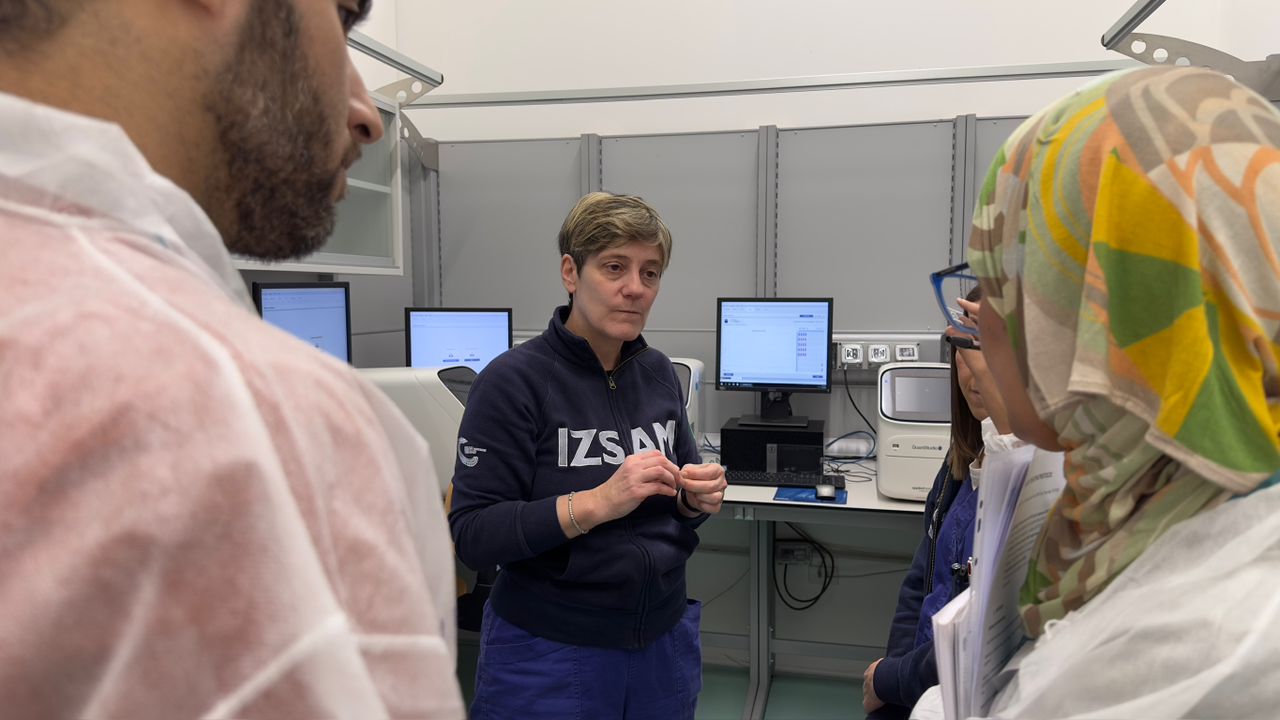
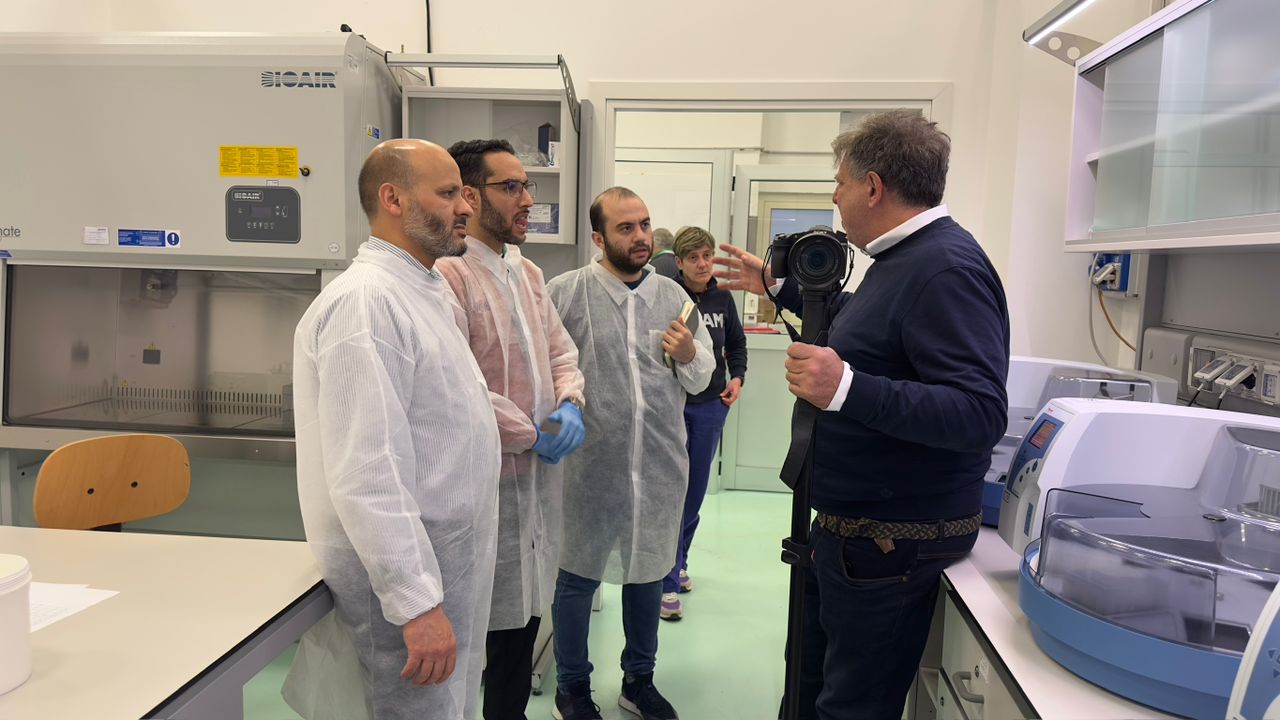
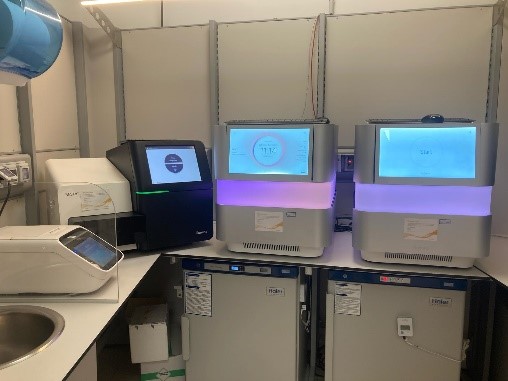
Virology track: Diagnostics, Sequencing and Laboratory workflow
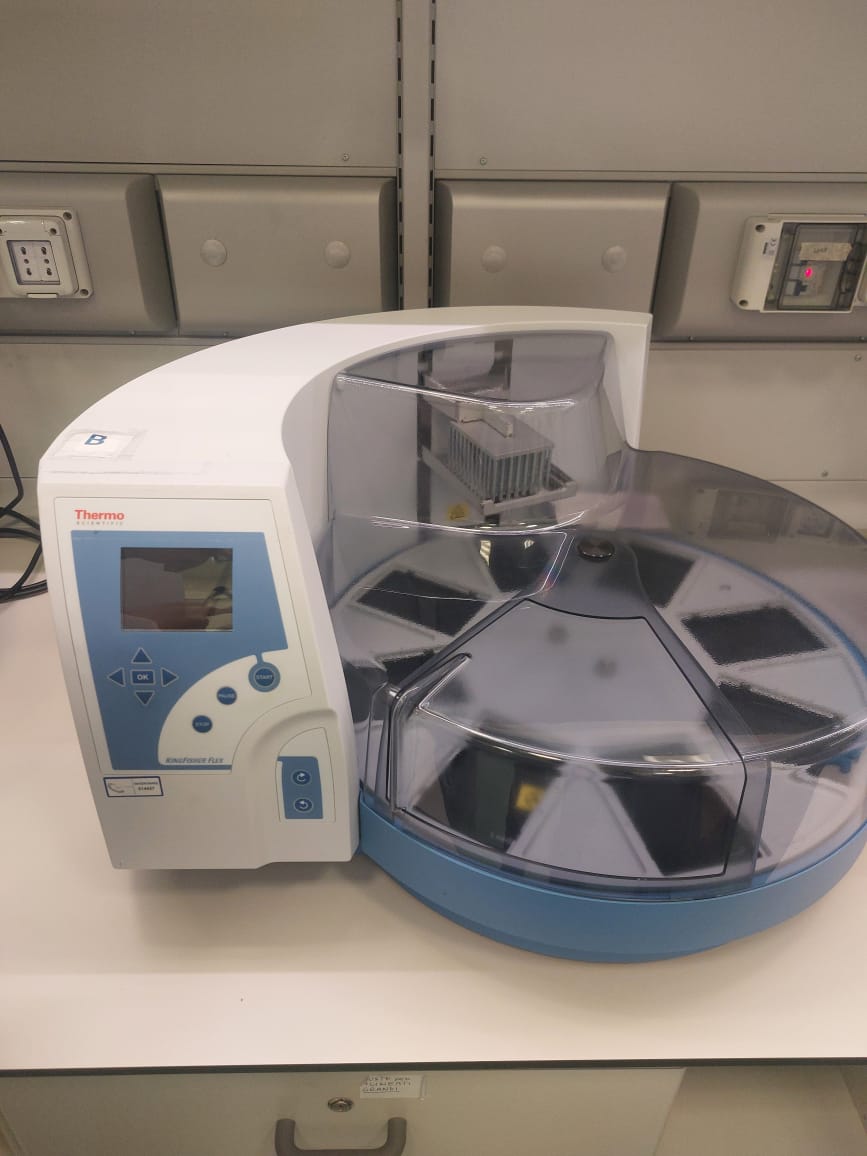
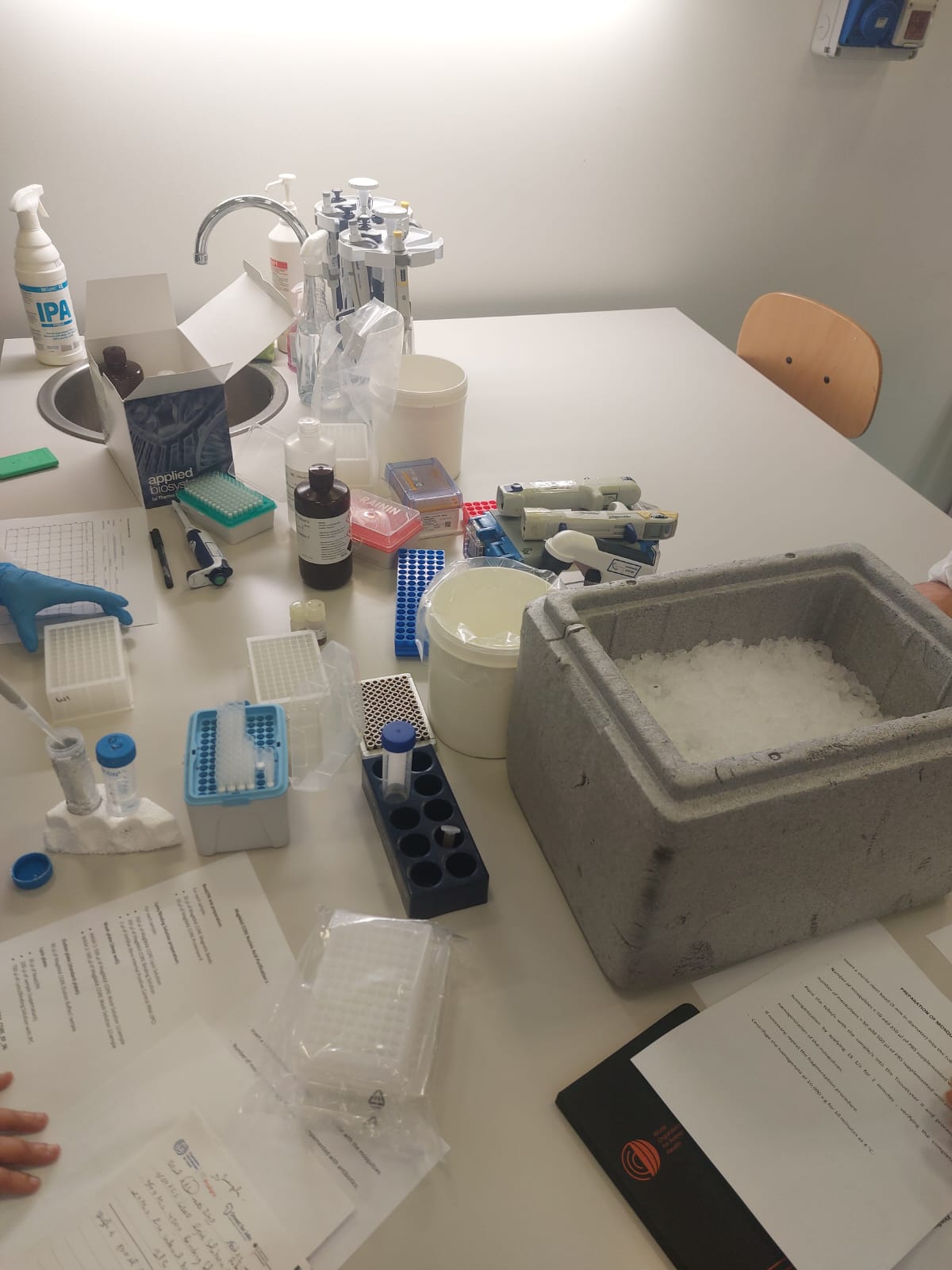
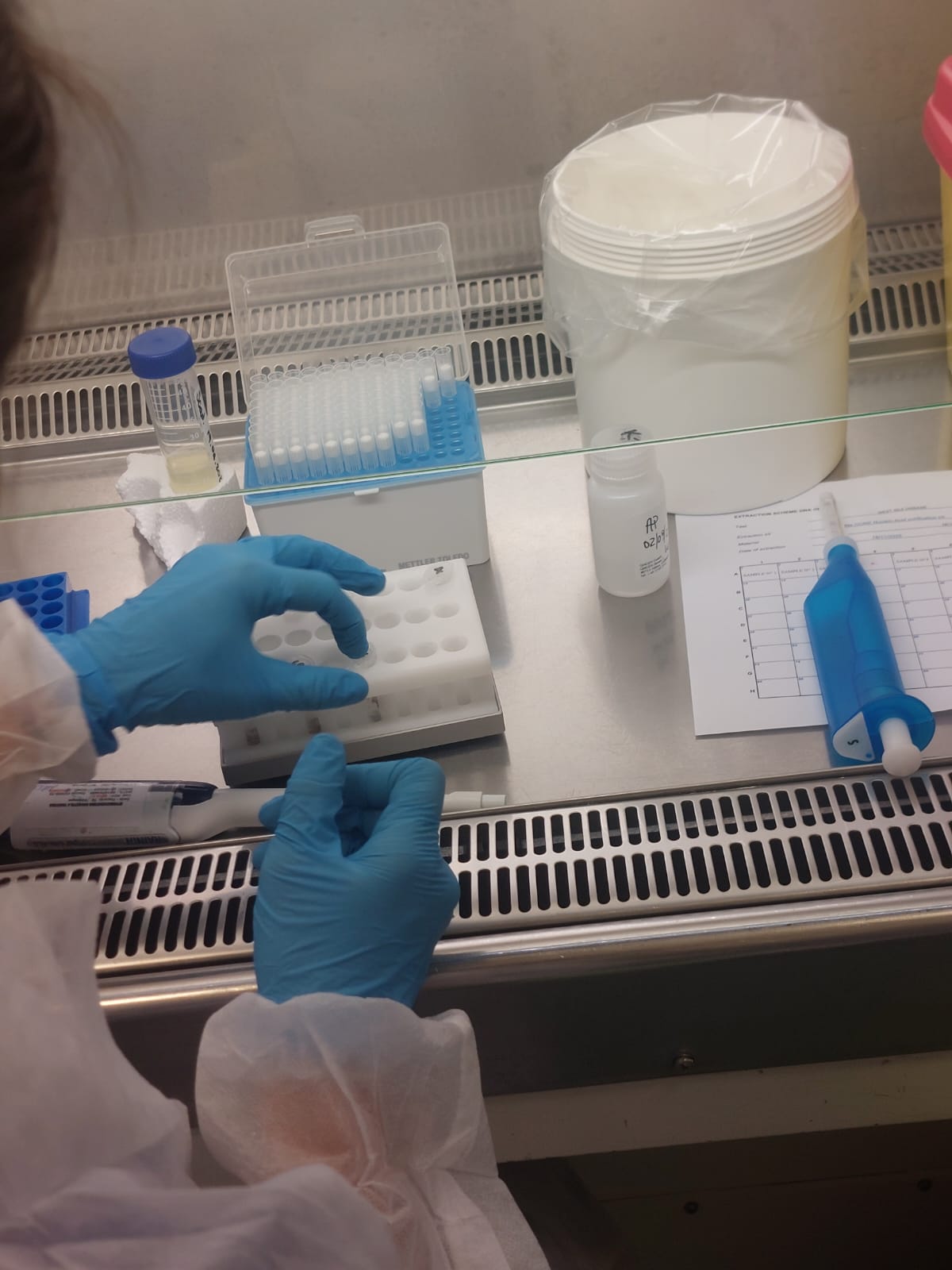
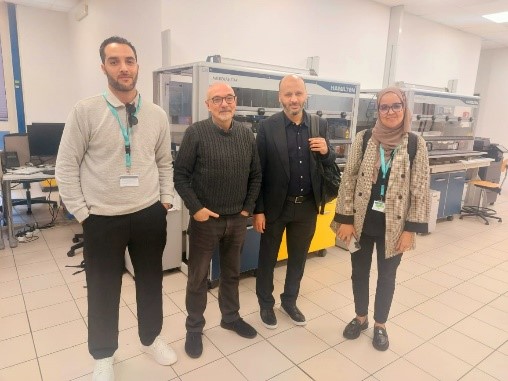
The virology training combined theoretical sessions with intensive laboratory practice focused on:
During the training, participants also received a full-day module on Whole Genome Sequencing (WGS), strengthening their ability to analyse viral genomes for surveillance and outbreak investigation. This enhanced the depth of the virology track and aligned with regional priorities for improved genetic characterisation of circulating pathogens.
Participants from all five countries showed a high level of engagement and commitment, reflecting the growing regional momentum toward a harmonised, efficient surveillance system for climate-sensitive diseases.
Acknowledgment is due to IZS Teramo, whose scientific leadership and logistical support ensured the success of both training rounds.
To maintain this momentum, additional capacity-building activities are planned:
These activities will further support the roll-out of harmonised surveillance protocols under PROVNA2.