

PICTURES OF THE EVENT
Flickr photo album
Read more
Animal disease outbreaks can cause severe economic losses and pose significant public health risks, making robust emergency preparedness essential. Simulation exercises (SIMEXs) are critical for testing contingency plans and can be used to better identify how to apply a One Health approach to zoonotic threats. However, a 2018 WOAH review revealed that while most countries have plans, few test or update them—only 22% of African countries reported conducting SIMEXs between 2002 and 2021. This gap is alarming as it is then not known if existing contingency plans are fit for purpose or if staff know how to implement them properly and efficiently. Given that over 60% of human infectious diseases and most emerging diseases originate from animals, and 80% of pathogens with bioterrorism potential are zoonotic, robust and tested preparedness is key.
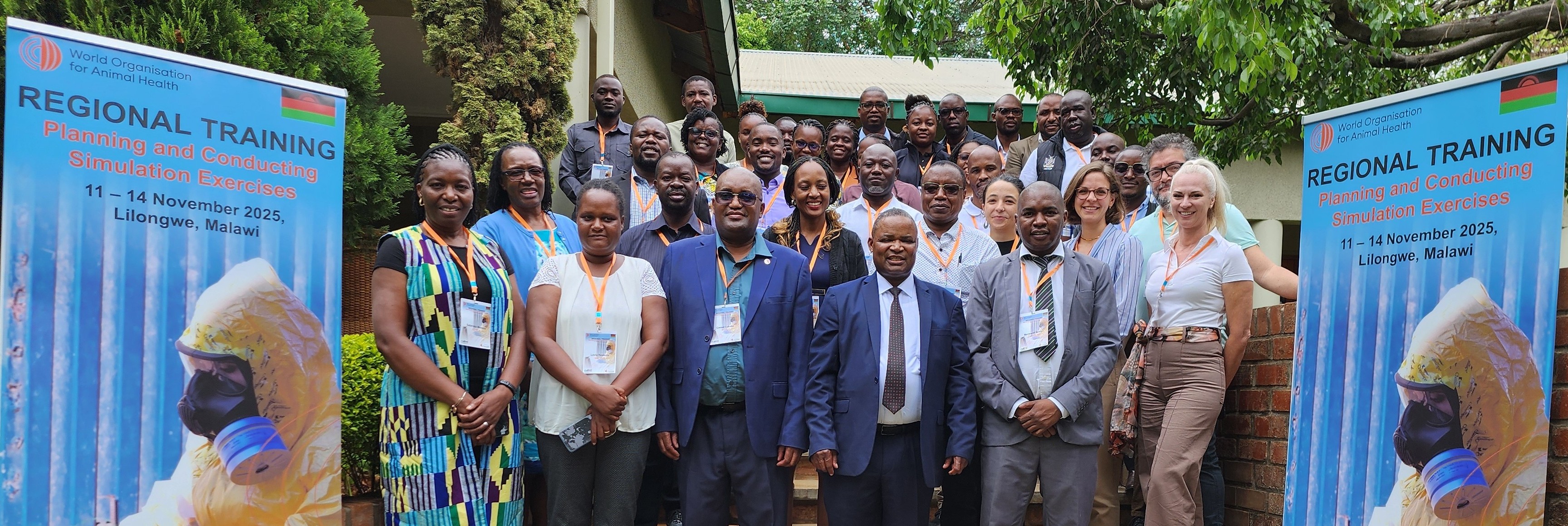
Against this backdrop, from 11 to 14 November, WOAH organised a regional training in Lilongwe, Malawi, focused on planning and conducting simulation exercises for the English-speaking beneficiary countries of the Fortifying Institutional Resilience Against Biological Threats (FIRABioT) project. With technical support from the European Commission for the Control of Foot-and-Mouth Disease (EuFMD), the training equipped participants from Kenya, Malawi, Namibia, Tanzania and Zimbabwe with the knowledge and skills required to plan, conduct and evaluate simulation exercises.
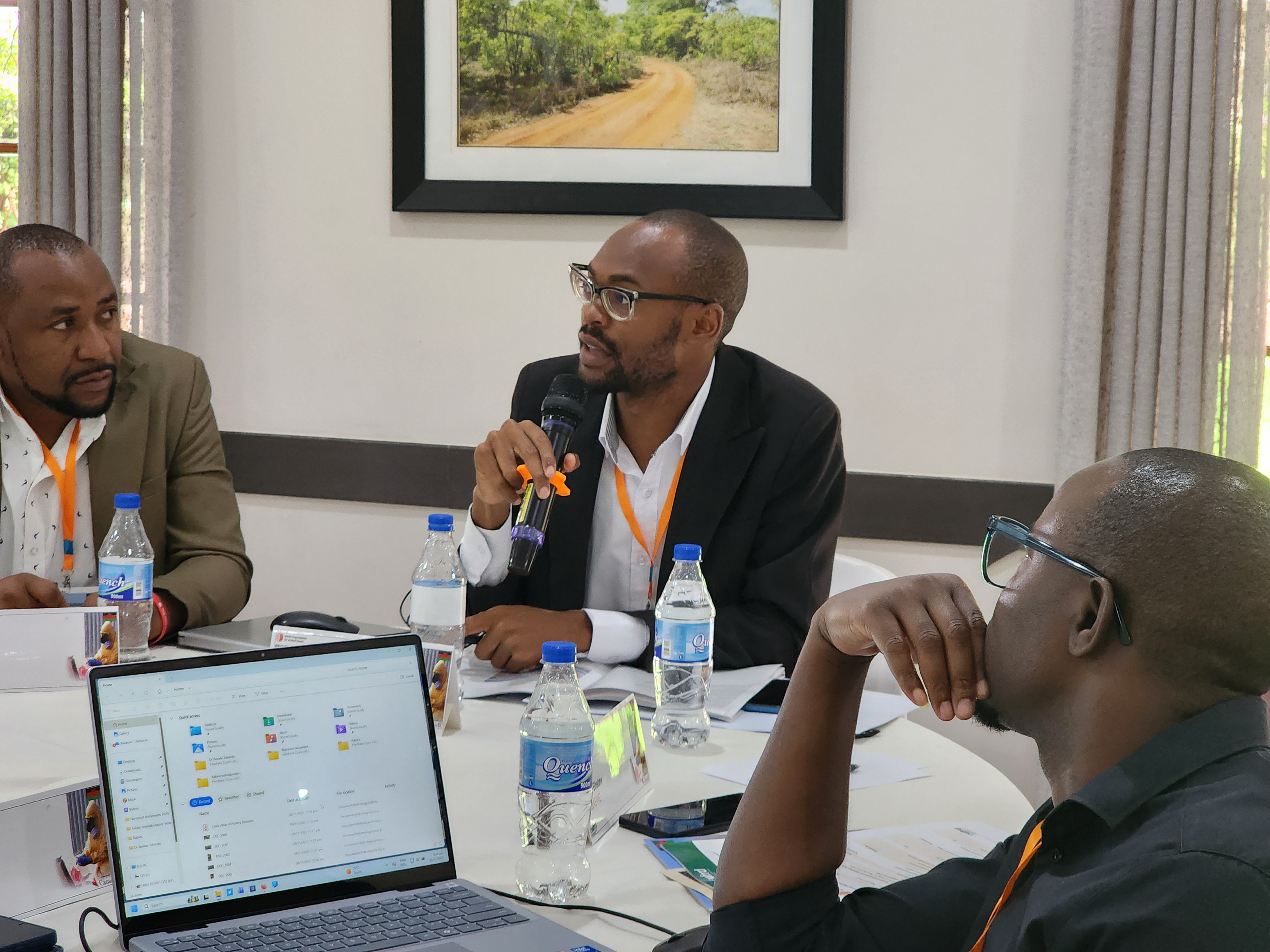
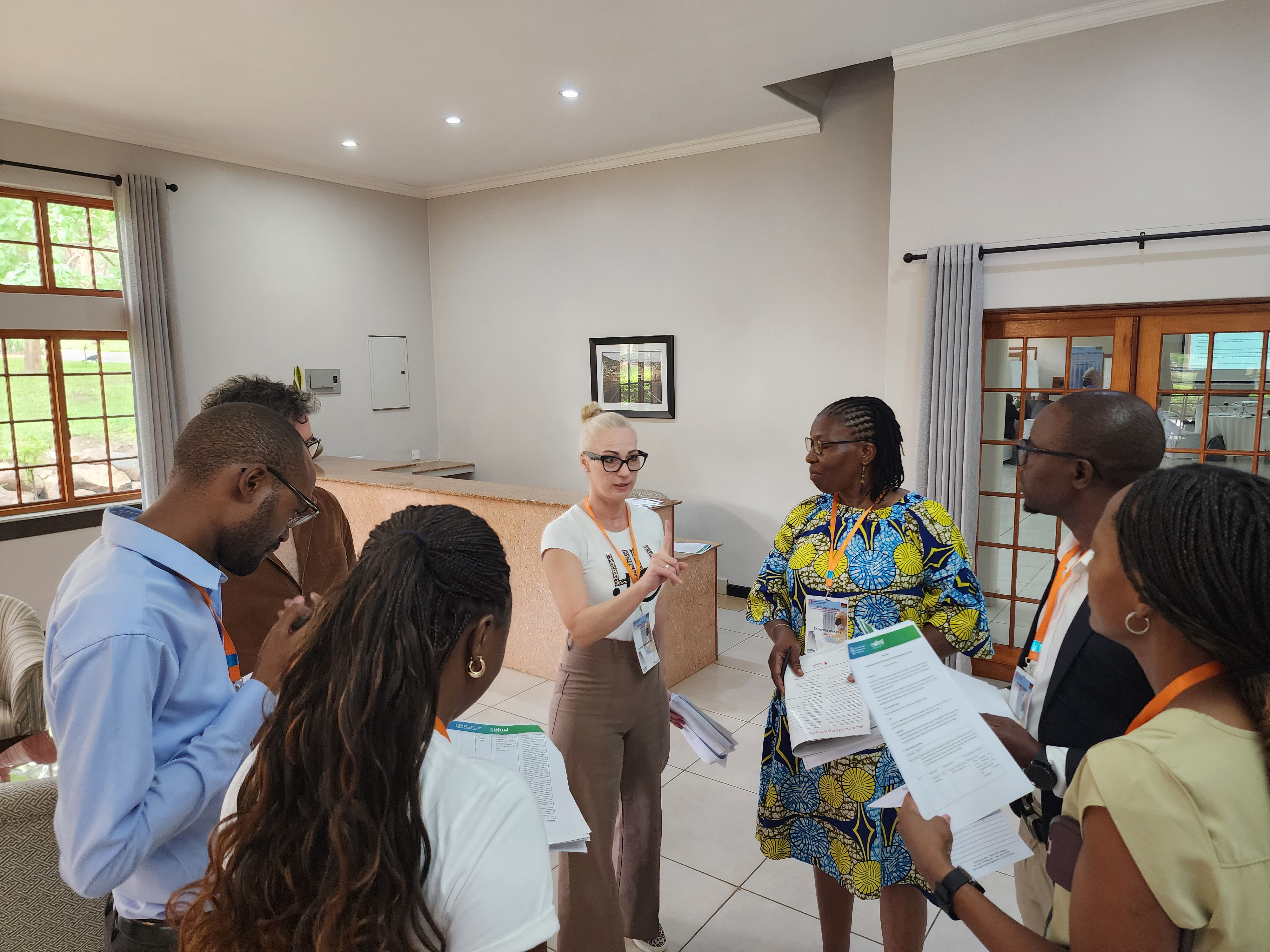
Participants engage in a group discussion. Picture © I. Busuulwa (woah) 2025
Throughout the four-day programme, participants developed exercise objectives, concept notes and scenarios, and took part in a mock simulation exercise followed by its evaluation. This hands-on approach provided practical experience in designing and evaluating simulation exercises.
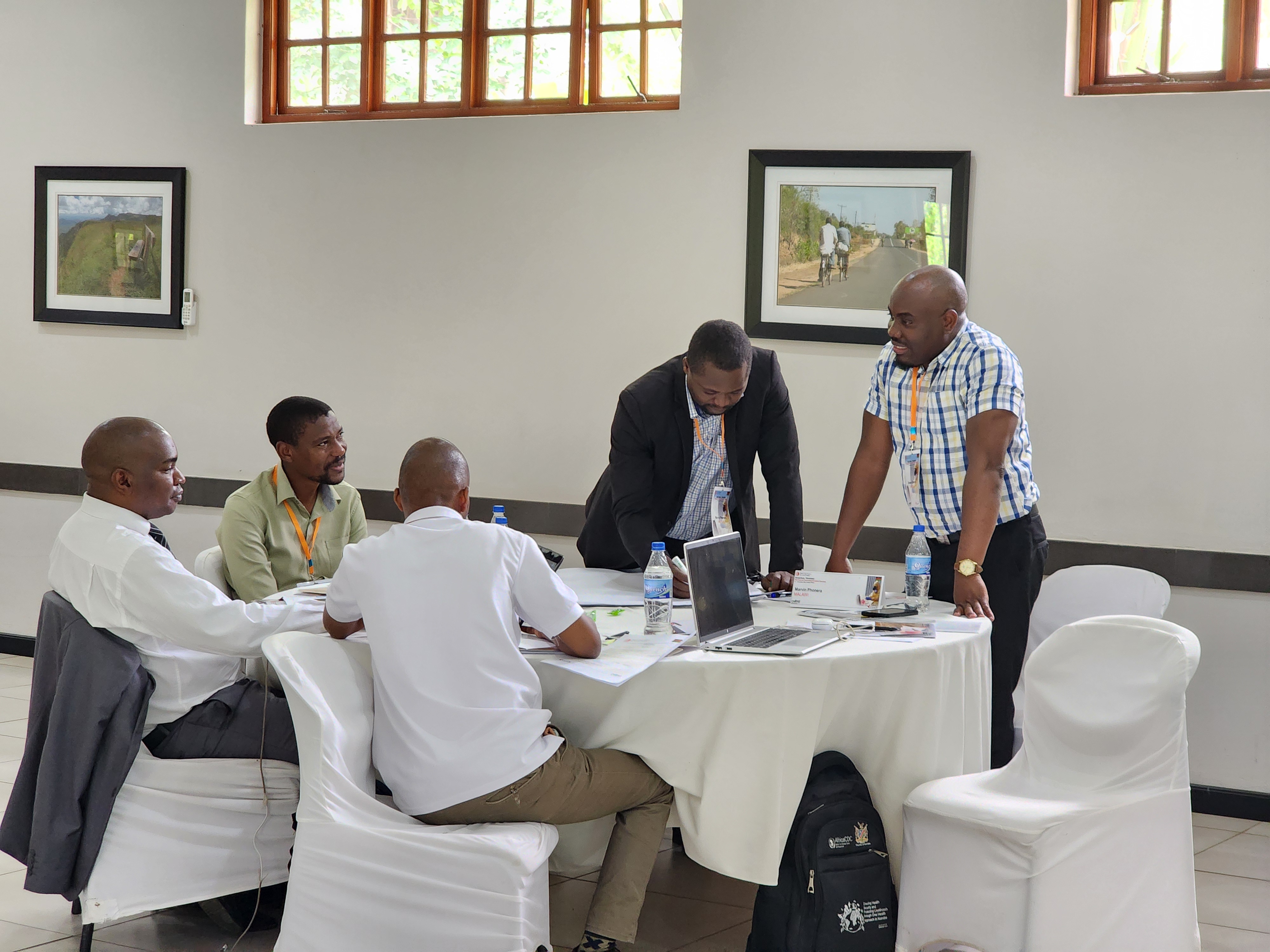
Dr Zorana Mehmedbasic (EUFMD) briefs participants about their respective roles during the mockup exercise. Picture © I. Busuulwa (woah) 2025
Looking ahead, a similar training will be organised for French-speaking beneficiary countries: Algeria, Republic of Congo, Madagascar and Morocco. The five English-speaking countries each plan to develop and conduct tabletop exercises on priority diseases within their own countries following this training. This training also served as a primer for an activity in June 2026 under the FIRABioT project. With the support of INTERPOL, a regional tabletop simulation exercise will bring together Veterinary Services and Law Enforcement from all nine project beneficiary countries.
The regional training on planning and conducting simulation exercises is one of the activities under the FIRABioT project, funded by Global Affairs Canada’s Weapons Threat Reduction Program – in support of the Global Partnership Signature Initiative to Mitigate Biological Threats in Africa.