

PICTURES OF THE EVENT
Flickr photo album
Read more
Biological threats—whether natural, accidental or deliberate—require more than written contingency plans. They require tested systems, coordinated actors and clear operational procedures. Simulation exercises provide Veterinary Services with a practical method to test emergency plans, assess coordination mechanisms, identify gaps and strengthen readiness to respond to high-impact animal diseases and other biological threats affecting animal, public and ecosystem health.
Following a similar training held in the second week of November 2025 for English-speaking countries, the World Organisation for Animal Health (WOAH), organised a regional training in Nairobi, Kenya, focused on planning and conducting simulation exercises for the French-speaking beneficiary countries of the Fortifying Institutional Resilience Against Biological Threats (FIRABioT) project.
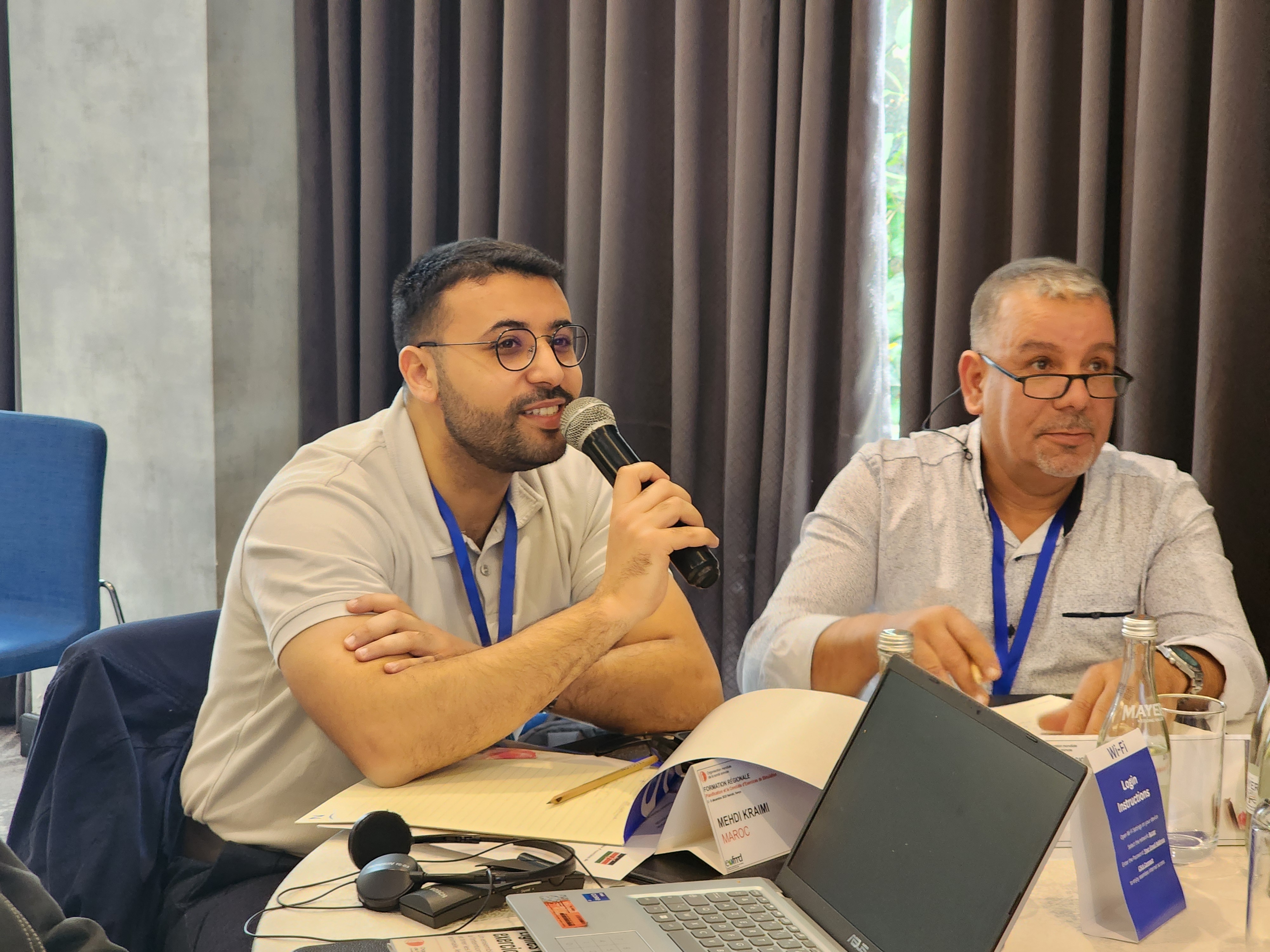
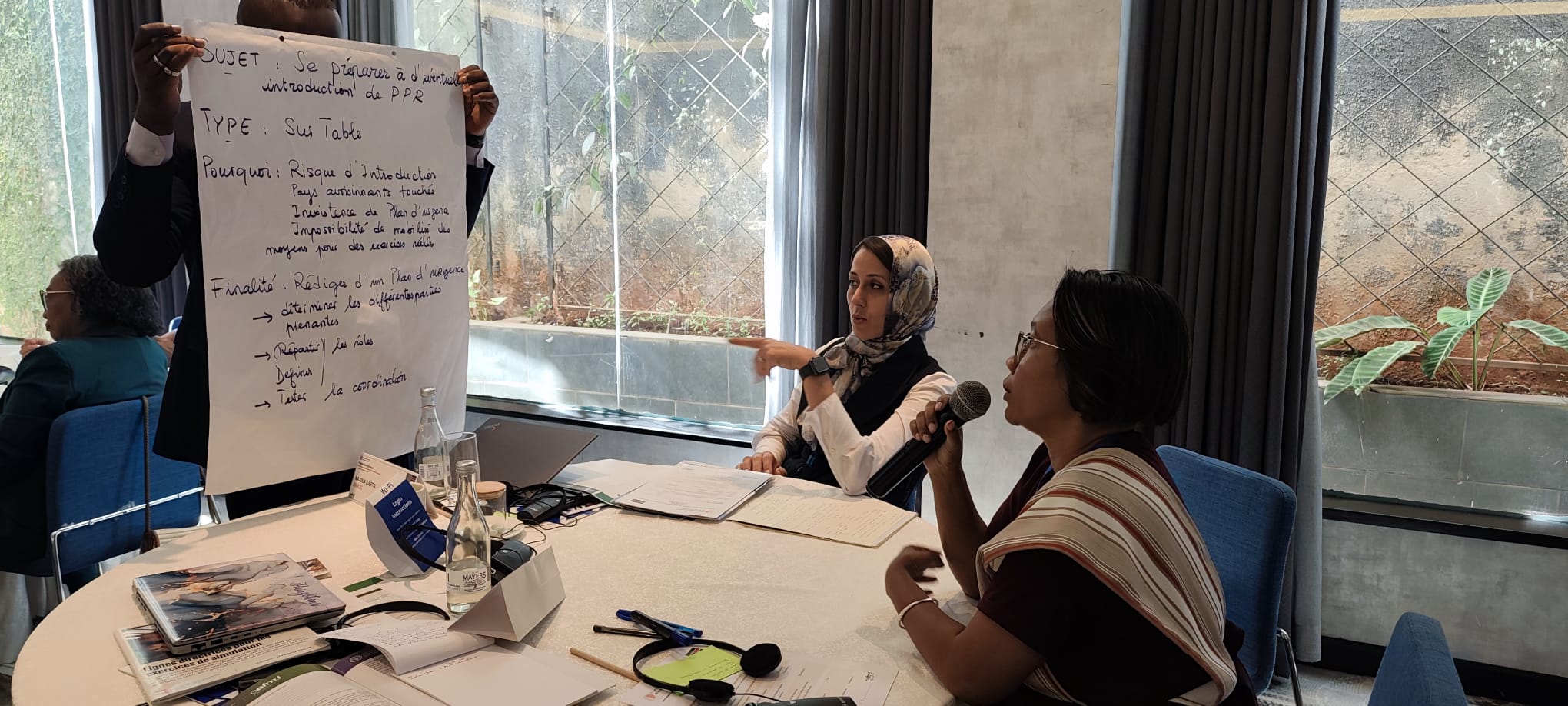
Participants from Morocco engage in a group discussion. Picture © I. Busuulwa (woah) 2025
Organised with the technical support from the European Commission for the Control of Foot-and-Mouth Disease (EuFMD), the training equipped participants from Algeria, Morocco, Madagascar and the Republic of the Congo, with the knowledge and skills required to plan, conduct and evaluate simulation exercises.
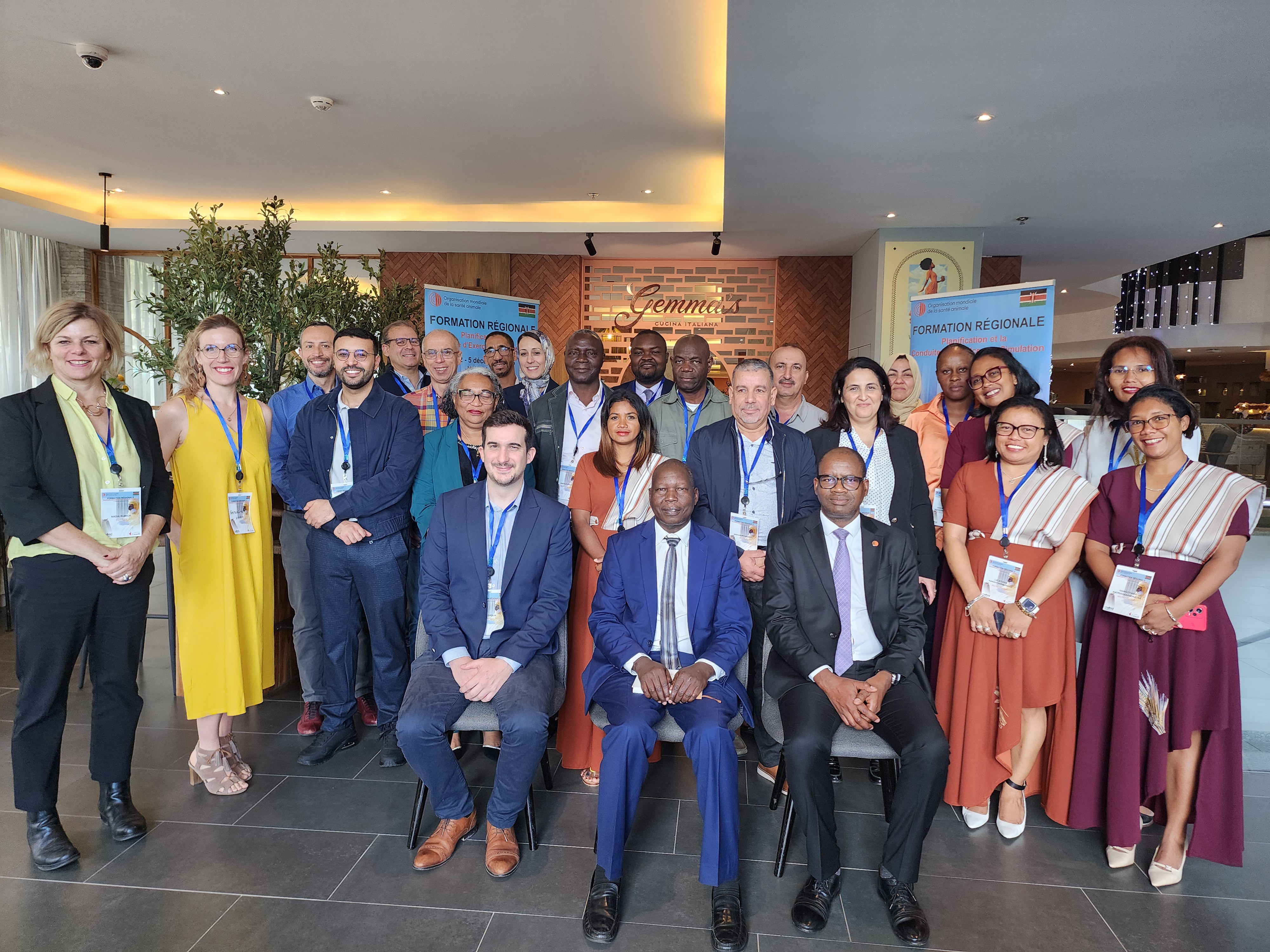
The four-day workshop that brought together 19 senior veterinary leaders and operational experts covered the development of simulation exercise objectives, concept notes and scenarios, and later the participants took part in a mock simulation exercise followed by its evaluation. This hands-on approach provided practical experience in designing and evaluating simulation exercises.
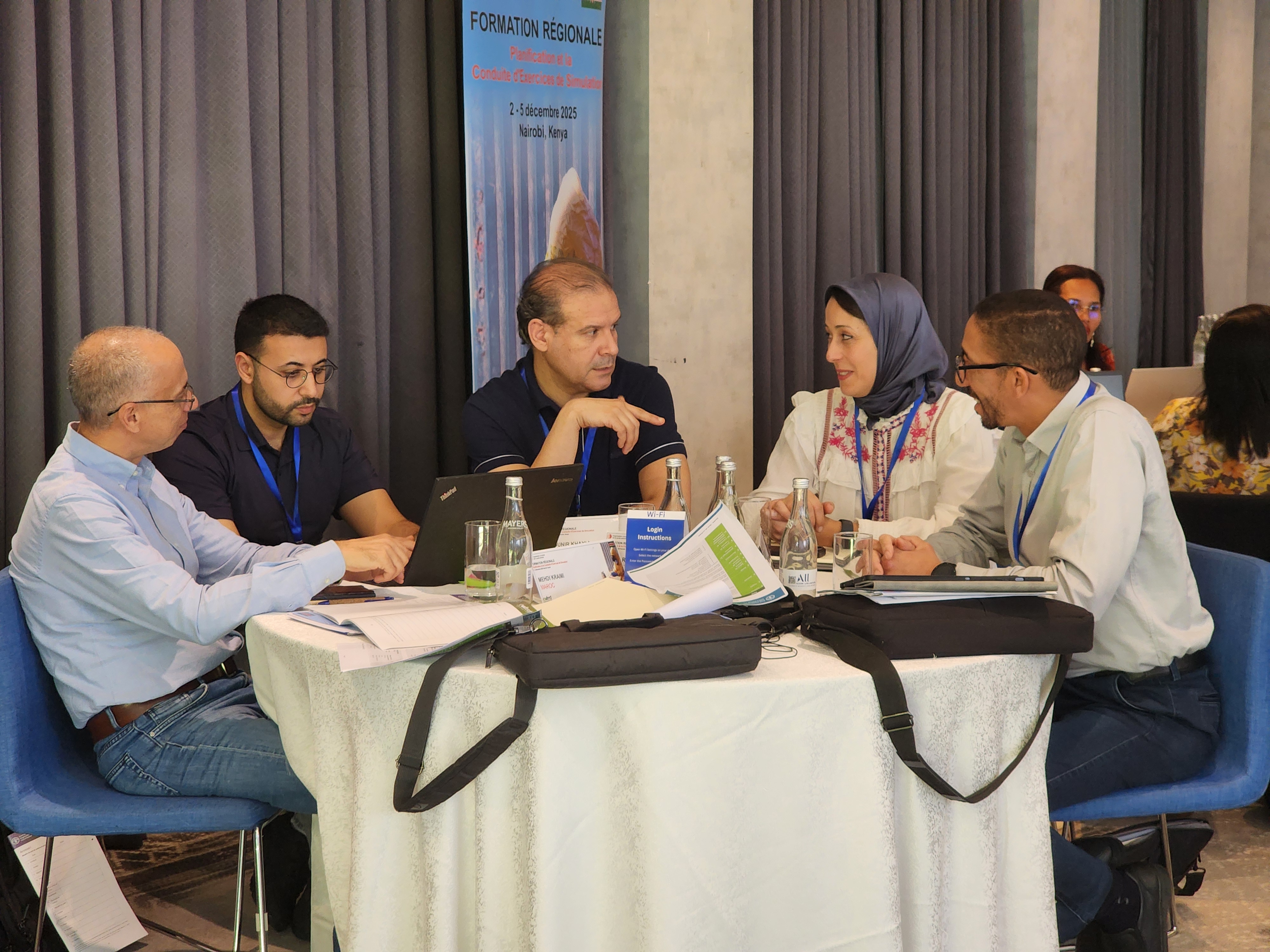
Participants discussing the outcomes from the group discussions Picture © I. Busuulwa (woah) 2025
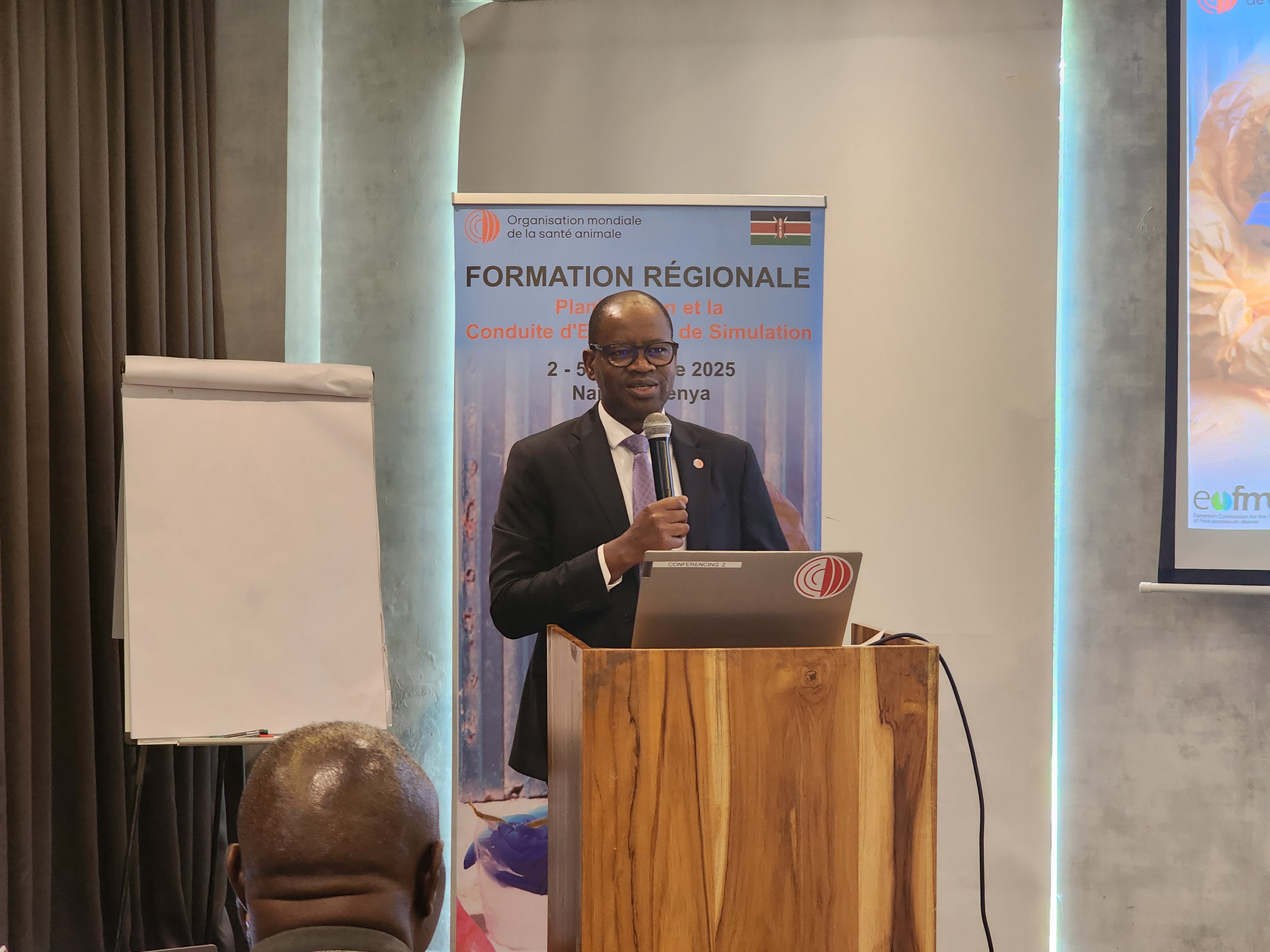
Dr Neo Mapitse giving his opening remarks for the workshop Picture © I. Busuulwa (woah) 2025
In his opening remarks, the WOAH Sub-Regional Representative for Eastern Africa, Dr Neo Mapitse, emphasised the importance of using evidence and data from simulation exercises to advocate for stronger national investment in animal health systems. He also acknowledged the support of the Government of Kenya and Global Affairs Canada for enabling this regional capacity-building initiative.
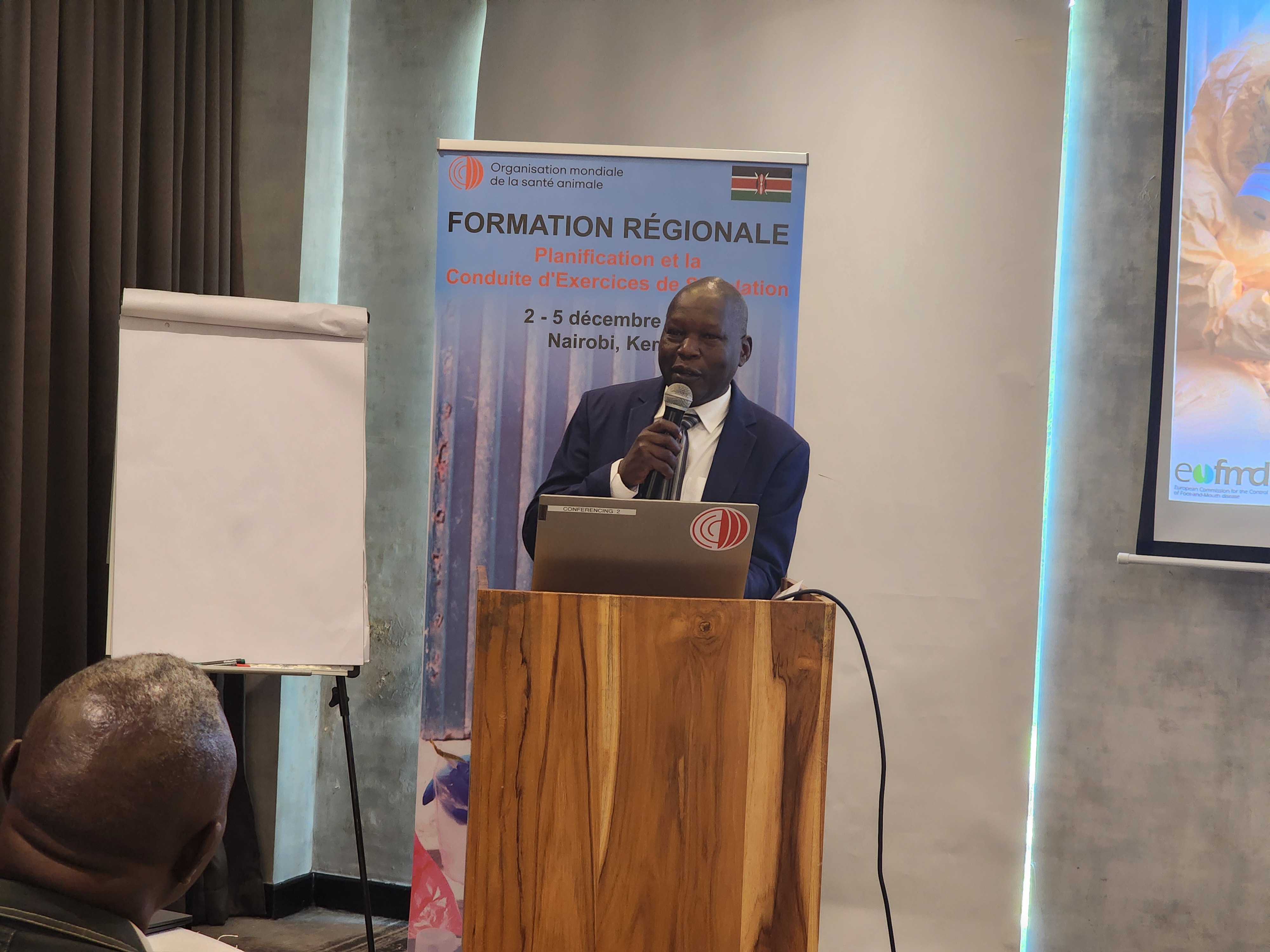
Dr Abraham Sangula giving his opening remarks on behalf of Kenya's Director of Veterinary Services Picture © I. Busuulwa (woah) 2025
The workshop was officially opened by Dr Abraham Sangula, Senior Deputy Director of Veterinary Services, on behalf of Dr Azegele Allan, the WOAH Delegate for Kenya. Dr Sangula highlighted the value of the training in strengthening emergency preparedness within Veterinary Services and expressed appreciation for WOAH’s continued partnership with its Members.
Looking ahead, the four French-speaking countries each plan to develop and conduct tabletop exercises on priority diseases within their own countries following this training. This training also served as a primer for an activity in August 2026 under the FIRABioT project. With the support of INTERPOL, a regional tabletop simulation exercise will bring together Veterinary Services and Law Enforcement from all the four countries.
The regional training on planning and conducting simulation exercises is one of the activities under the FIRABioT project, funded by Global Affairs Canada’s Weapons Threat Reduction Program – in support of the Global Partnership Signature Initiative to Mitigate Biological Threats in Africa.