
Dakar, Senegal
Summary of the P3V webinar (1/5): understanding the P3V Project, its objectives and key results
November 26, 2025
Read more
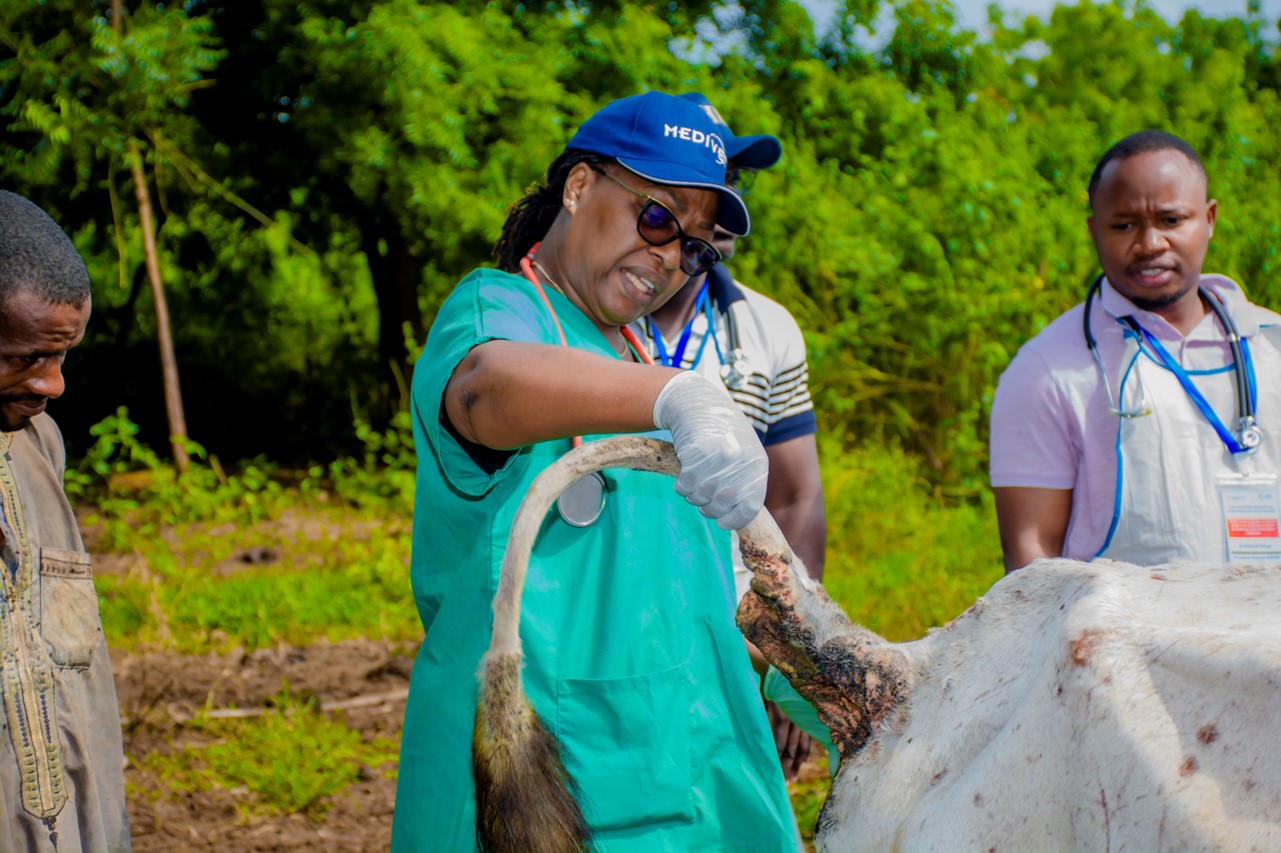
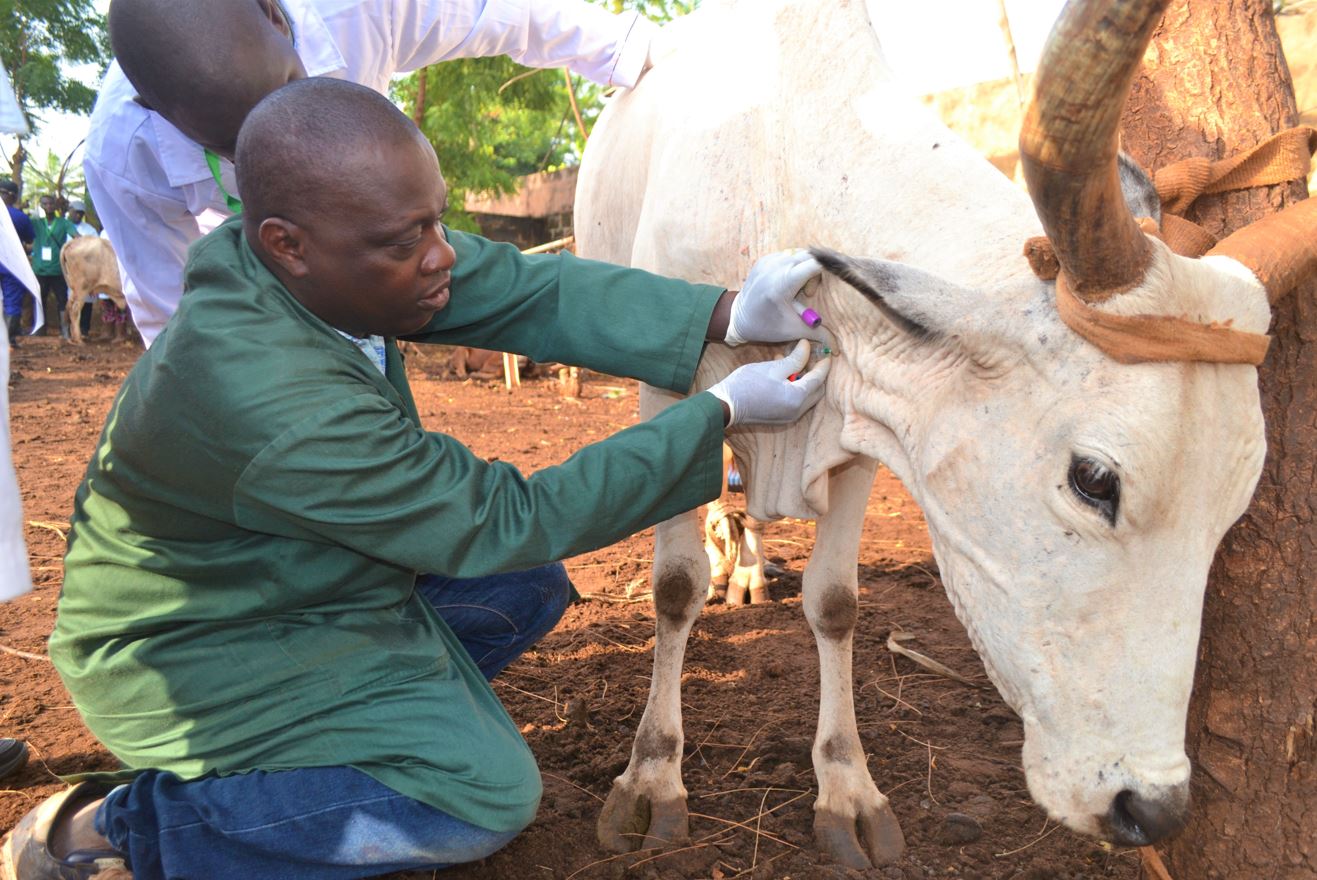
Prise de sang chez un bovin par un PPV durant la formation. Photo (c) H. J. Togbonon (Hobra Media, OMSA) 2026
A VPP taking a blood sample from a cow during the training. Picture (c) H. J. Togbonon (Hobra Media, woah) 2026.
These sessions, which focused on building the capacity of frontline workers, brought together 50 animal health professionals, mainly from the VPP, from different regions of the country.
The aim? To strengthen their technical skills so they can provide better care for animals in terms of diagnosis and treatment.
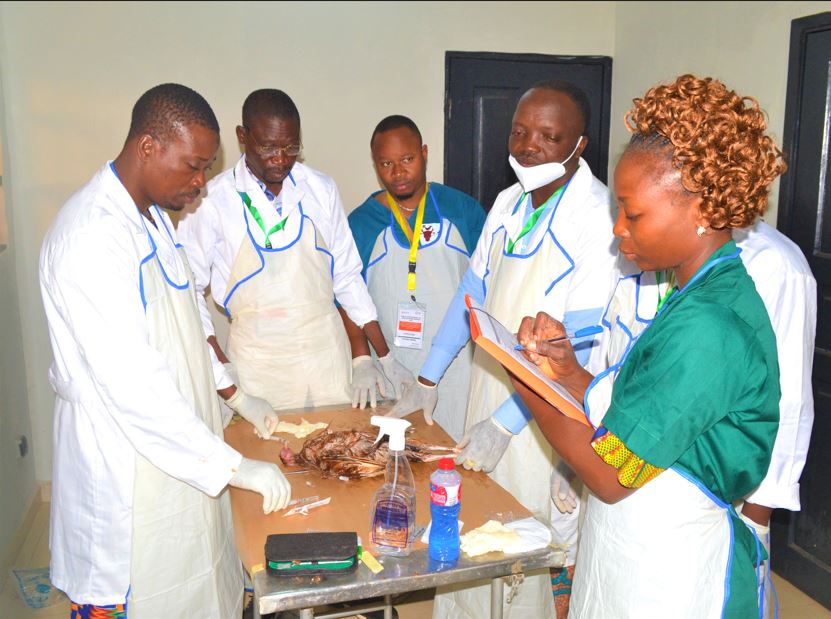
Séance d’autopsie durant la formation des PPV. Photo (c) H. J. Togbonon (Hobra Media, OMSA) 2026
Following the earlier support provided by the P3V Project to Veterinary Services in Togo and Senegal, the continuing professional development of VPP staff aimed to improve the quality of support provided to livestock farmers and to enhance the professionalism of field staff by updating their skills.
Accordingly, an experience-sharing approach was adopted, involving the delivery of training by national trainers who had previously been trained by the Inter-State School of Veterinary Sciences and Medicine (EISMV) in Dakar, Senegal. As a reminder, the WOAH Delegate from Benin was involved in the selection of the national trainers, who were trained in September 2025 to familiarise themselves with the training tools designed by the Inter-State School of Veterinary Sciences and Medicine (Ecole Inter-Etats des Sciences et Médecine Vétérinaires, EISMV) in Dakar, Senegal.
Autopsy (necropsy) session during the VPP training course. Picture (c) H. J. Togbonon (Hobra Media, woah) 2026.
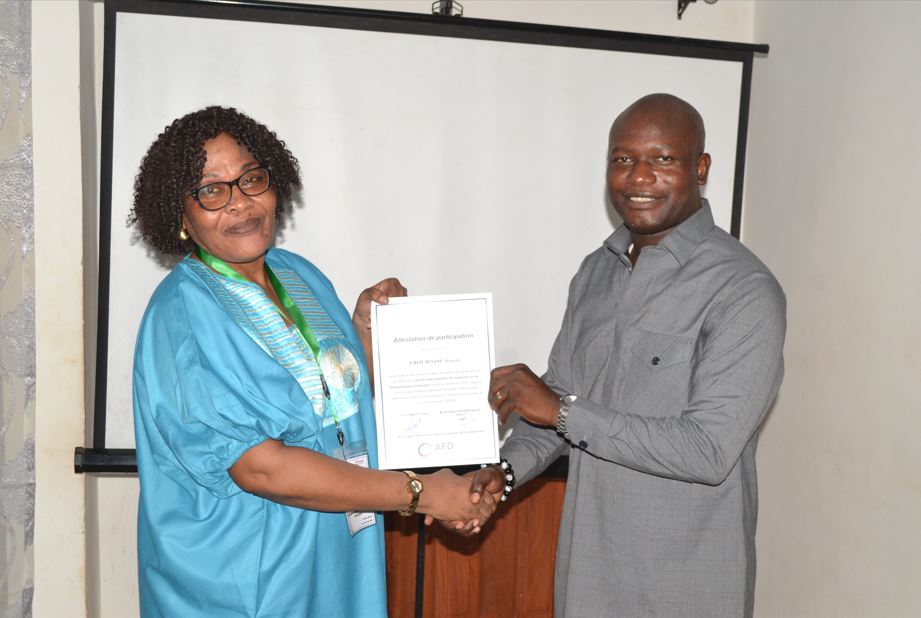
Remise d’attestation durant la formation des PPV. Photo (c) H. J. Togbonon (Hobra Media, OMSA) 2026
Awarding of a certificate to a participant. Picture (c) H. J. Togbonon (Hobra Media, woah) 2026.
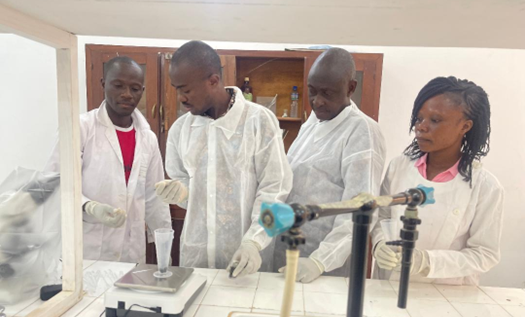
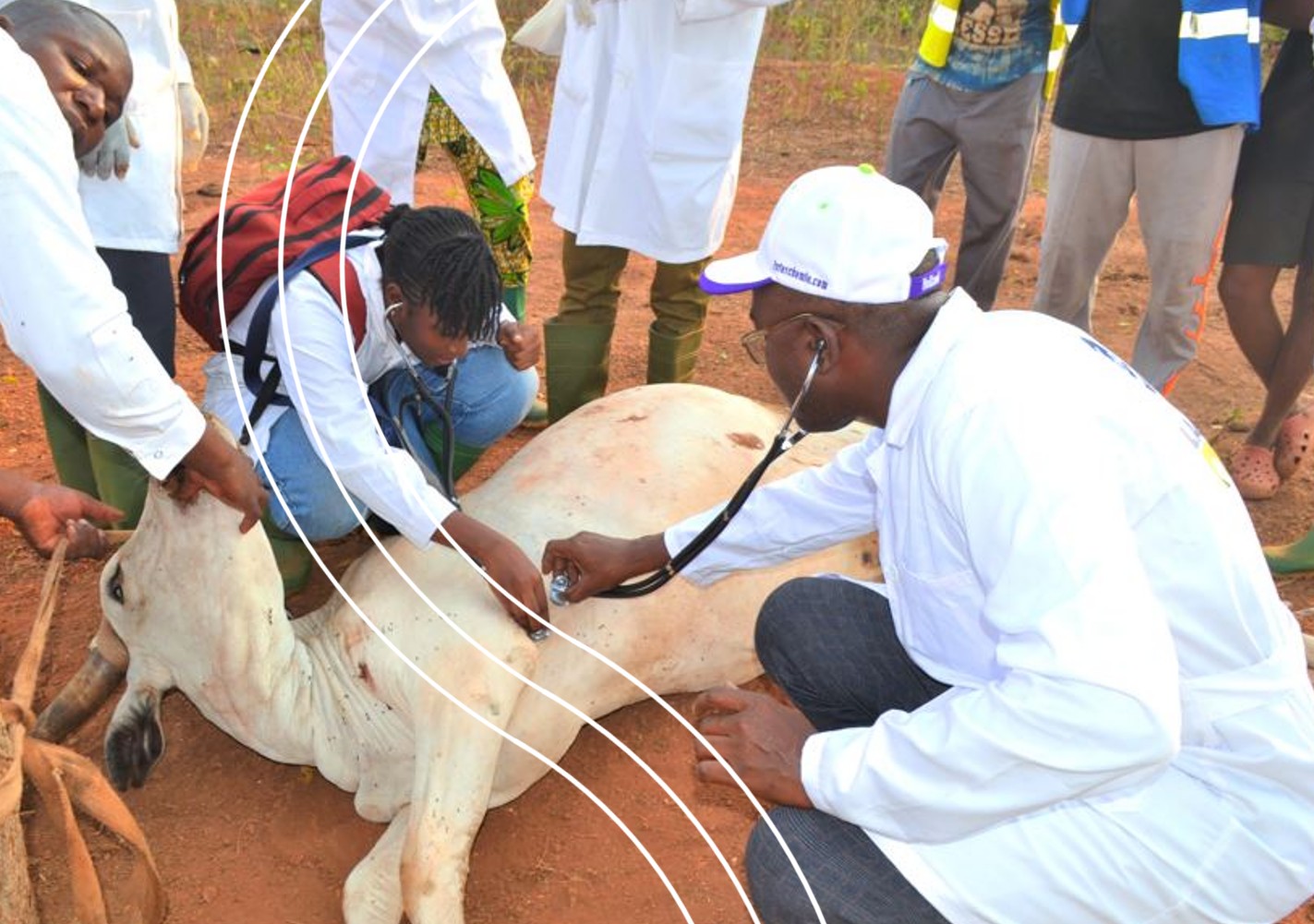
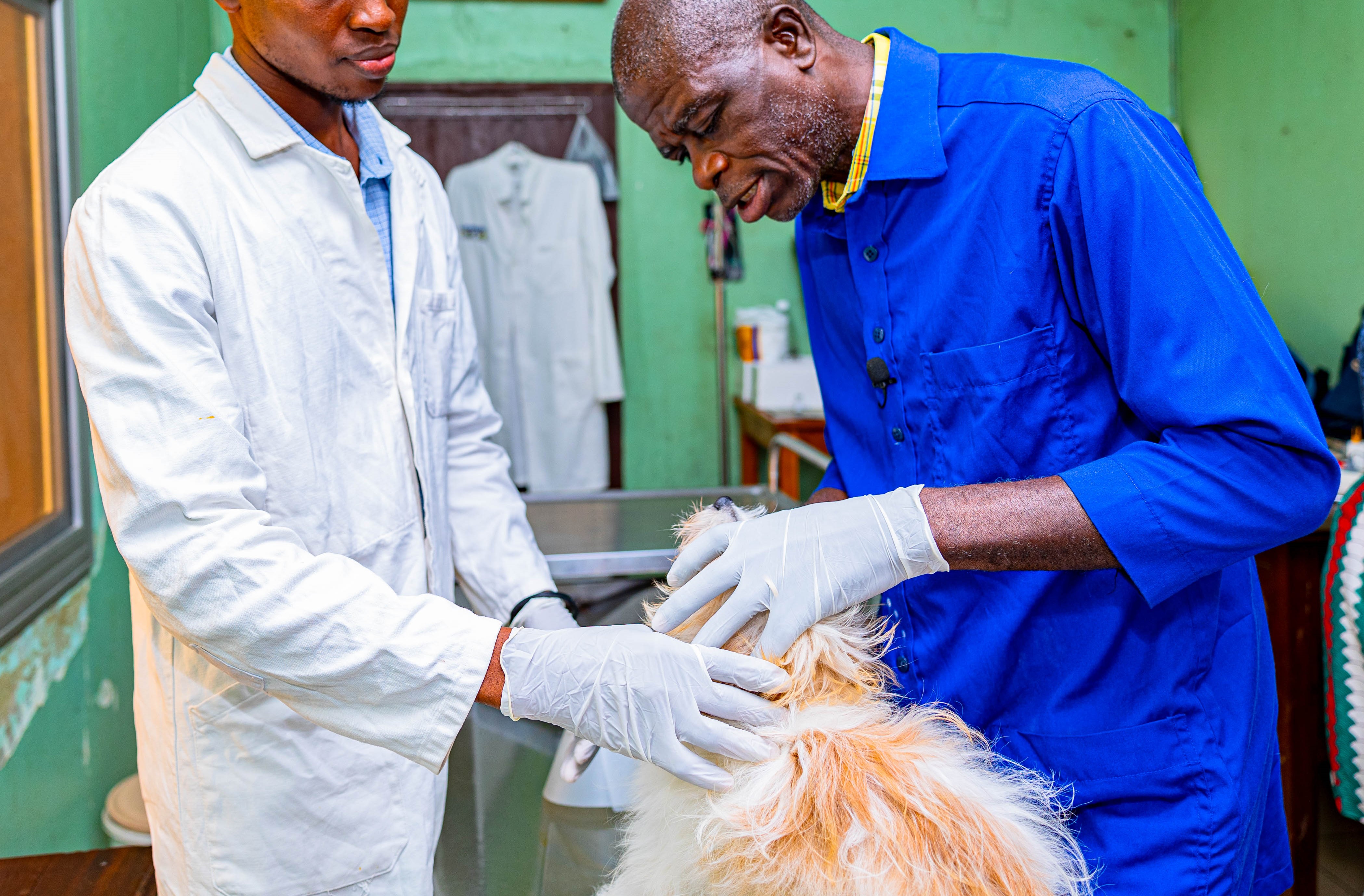
Each session combined theory, classroom demonstrations and hands-on work with animals in the field. Discussion sessions and Q&A sessions allowed trainers to focus on specific aspects in order to address the questions and needs of the VPPs.
This collaborative atmosphere helped to strengthen the bonds between trainers and learners, leading to the creation of communities on social media platforms for the ongoing sharing of real-world situations encountered by VPPs in the course of their work, even beyond the training period. The enthusiasm of the VPPs and the Beninese authorities for these continuing training courses is a key strength and a guarantee of the sustainability of these activities. Indeed, over 90% of the VPPs stated that they would be willing to participate in a fee-paying training course of this type.
Following these training sessions, Benin’s animal health system has emerged with enhanced skills and a greater commitment to the quality of Veterinary Services provided to livestock farmers.
Given the high level of enthusiasm among VPPs for these training courses, there is a clear need to institutionalise these continuing professional development (CPD) activities. The VPPs have stated that there is a willingness – to – pay (WTP) for such continuing professional development.
Several prospects were then discussed, including:
With just a few months to go before the P3V Project concludes, the enthusiasm shown for these continuing education courses, the involvement of animal health professional associations and the commitment of Benin’s WOAH Delegate give cause for hope that the country will be able to continue these training programmes entirely independently.
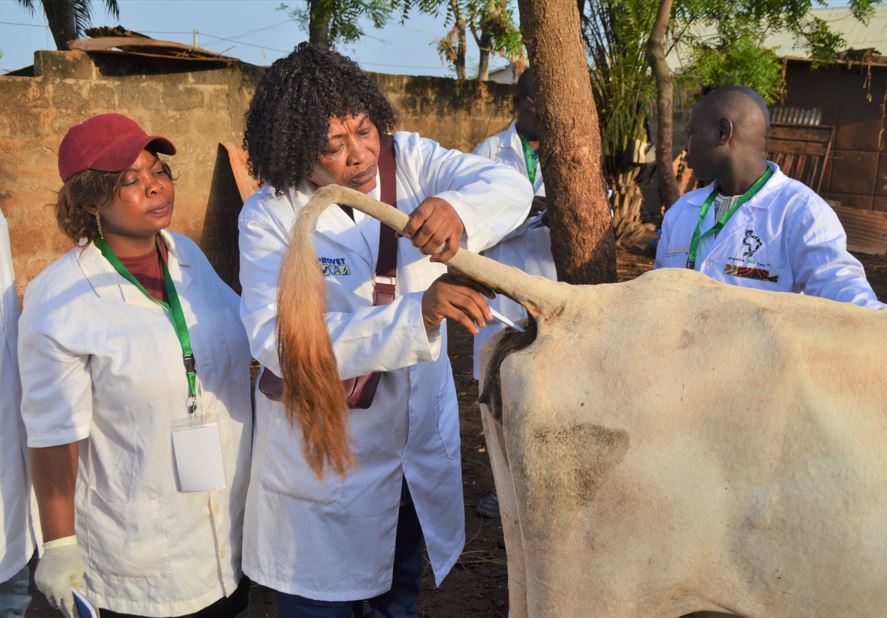
Temperature-taking during the training of VPPs. Picture (c) H. J. Togbonon (Hobra Media, woah) 2026.
Prise de température durant la formation des PPV. Photo (c) H. J. Togbonon (Hobra Media, OMSA) 2026
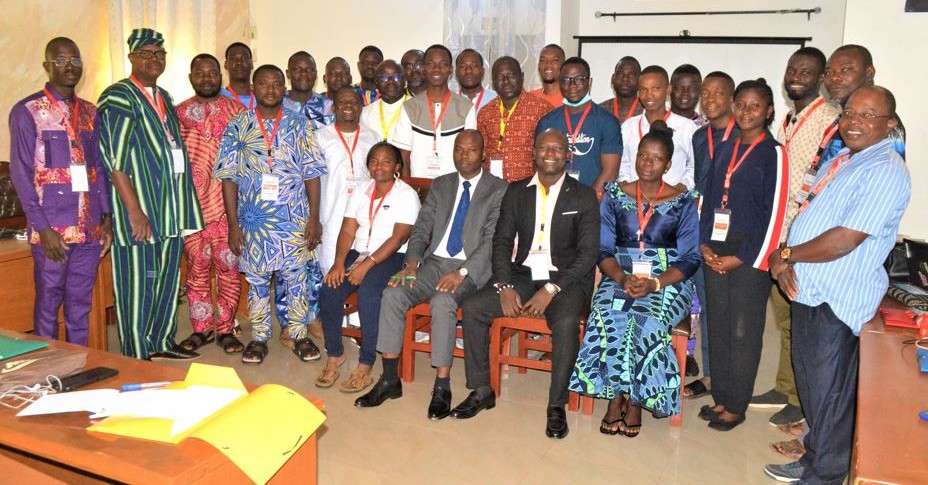
Group photograph. Picture (c) H. J. Togbonon (Hobra Media, WOAH) 2026 ---------- Photo de famille. Photo (c) H. J. Togbonon (Hobra Media, OMSA) 2026