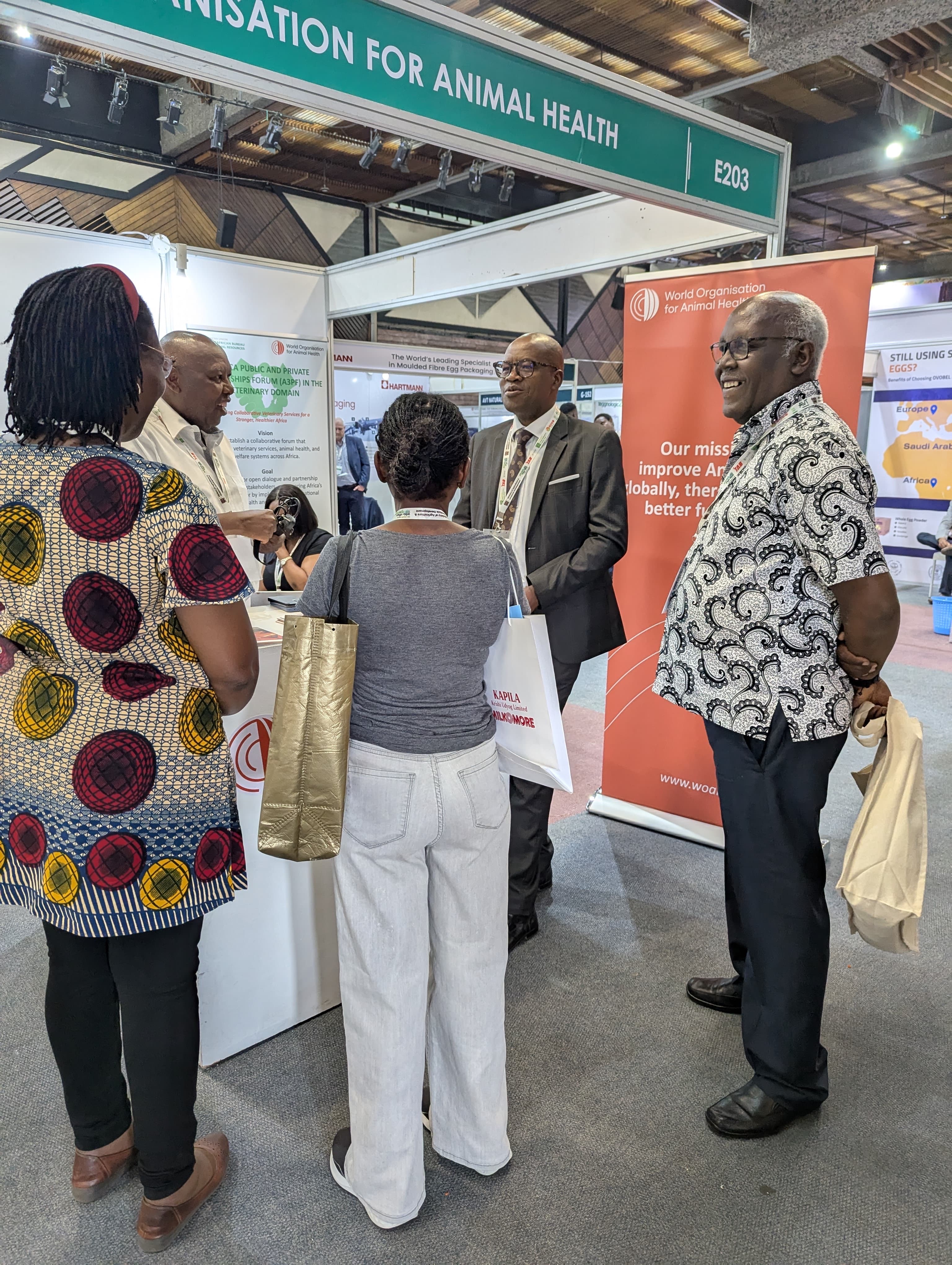
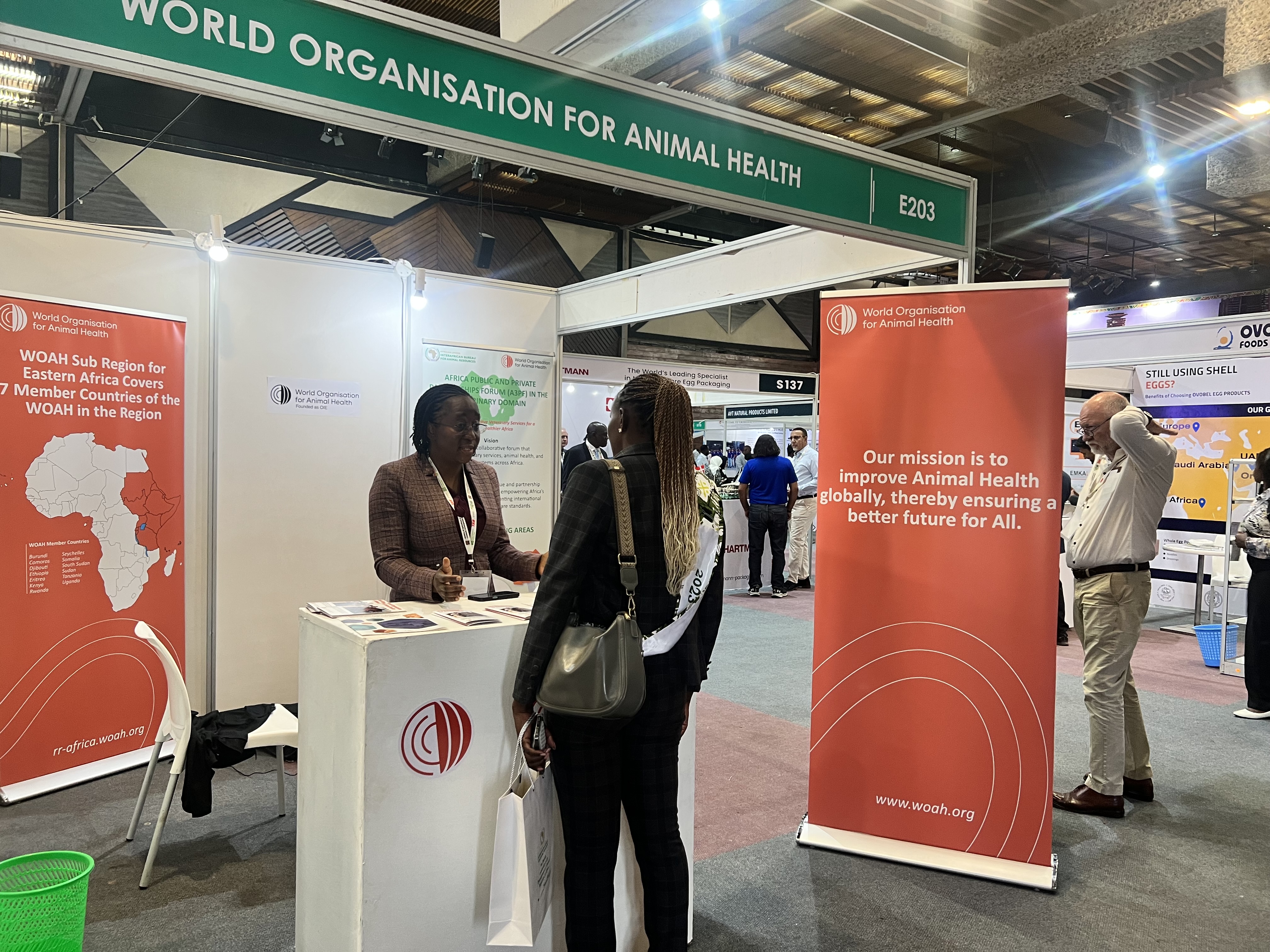
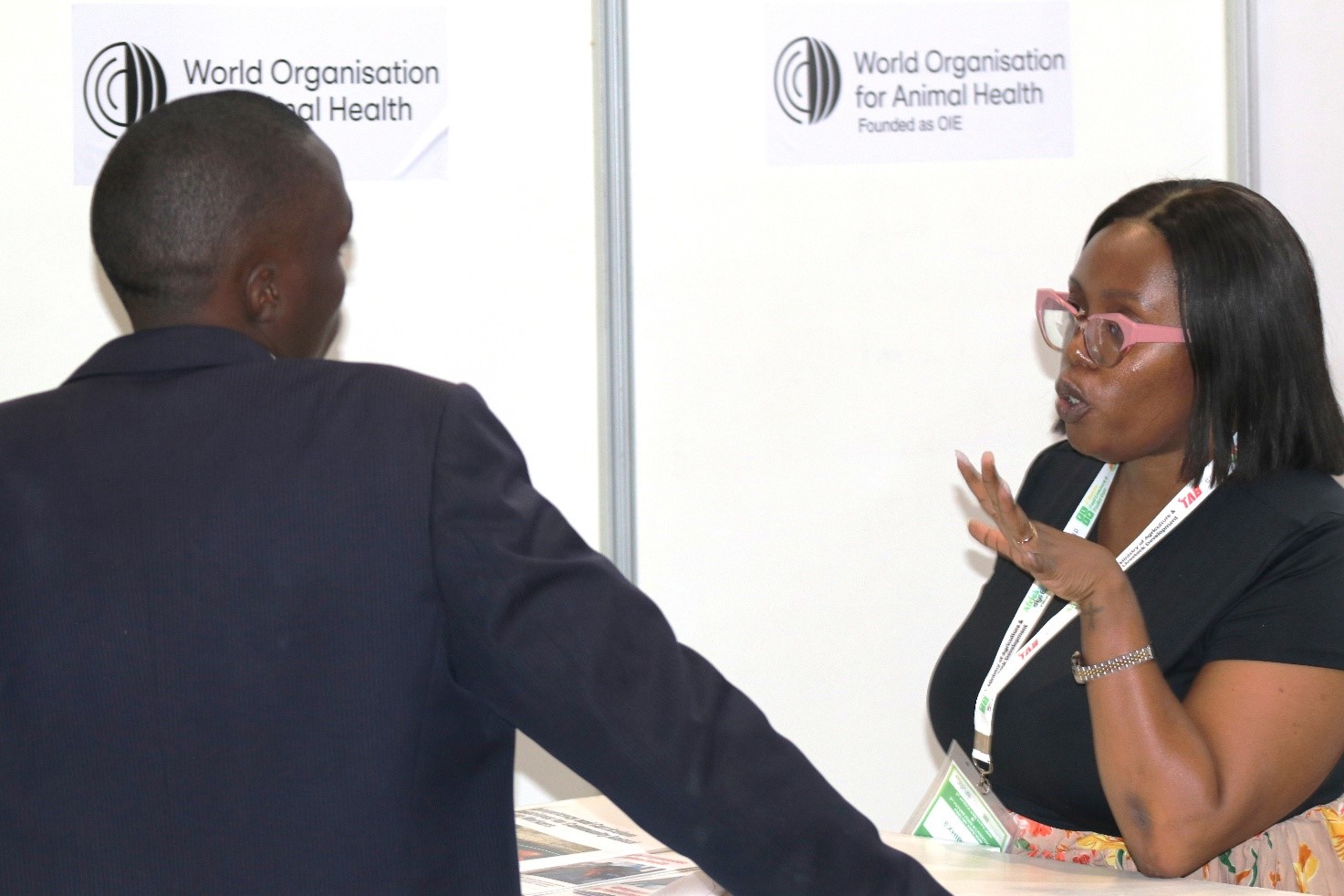
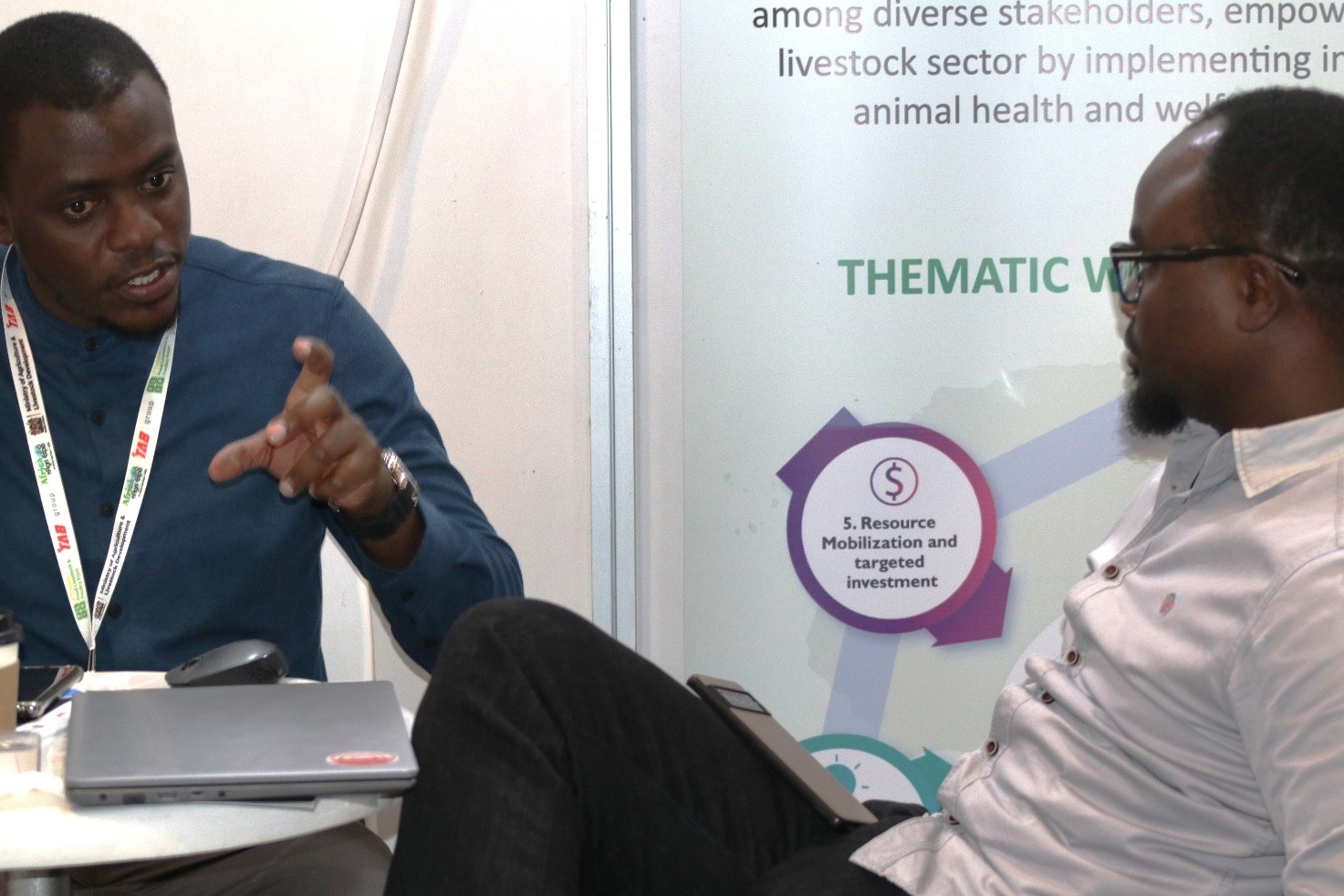
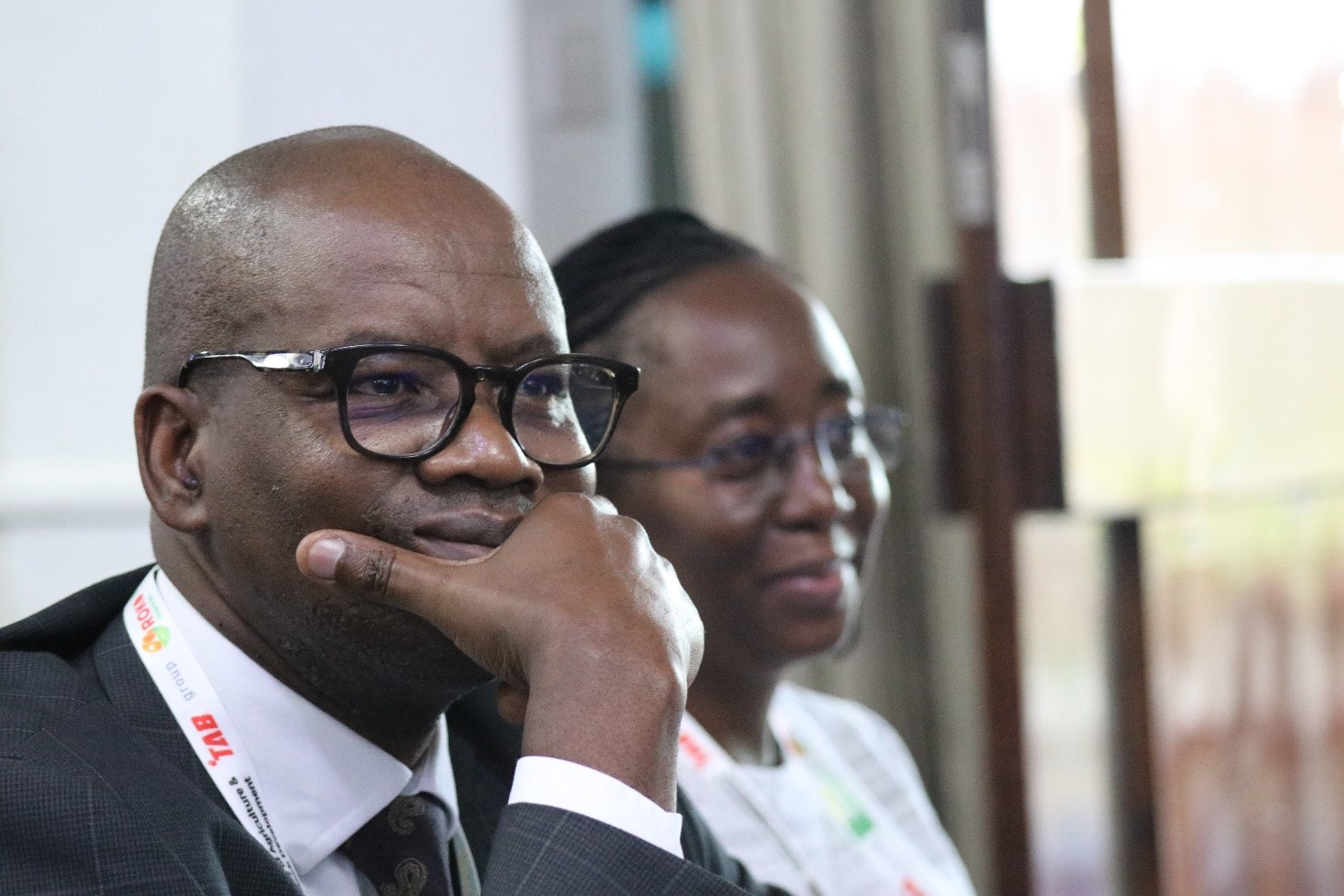
Dr. Neo Mapitse in discussion with staff and visitors at the WOAH booth. Picture © L. Iyadi (woah) 2026.
Dr. Neo Mapitse in discussion with staff and visitors at the WOAH booth. Picture © L. Iyadi (woah) 2026.
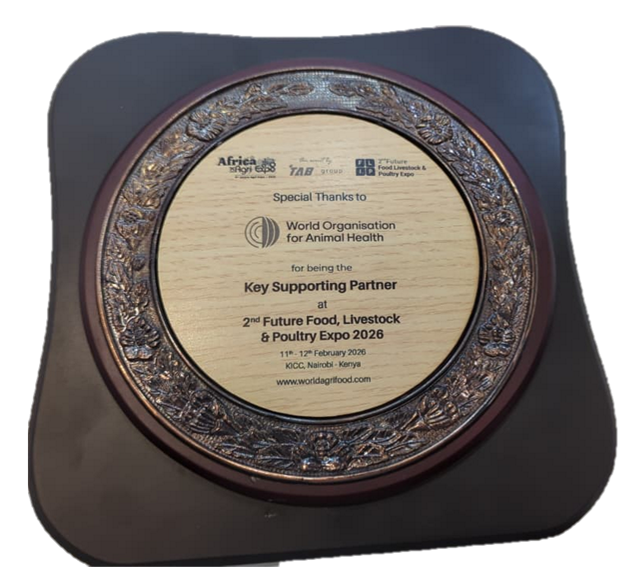
The World Organisation for Animal Health (WOAH) reaffirmed its commitment to strengthening resilient livestock systems and safeguarding food security across Africa during the recently concluded 2nd Future Food, Livestock and Poultry Expo (FLIP Expo) in Nairobi.
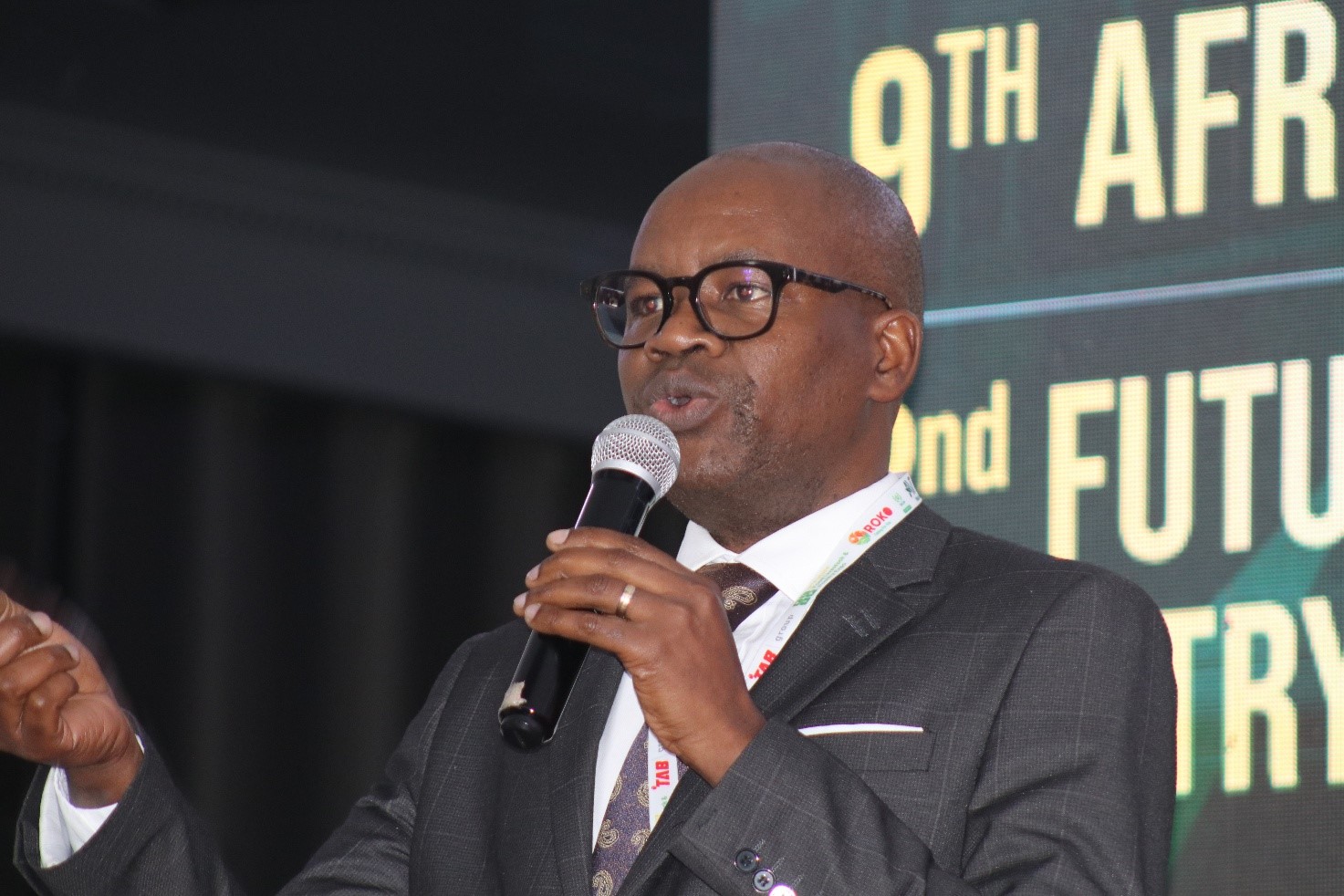
Representing WOAH Eastern Africa, Dr. Neo Mapitse delivered a keynote address during Session 8 on Day 2, themed “World Organisation for Animal Health : How can we be of service”. His address highlighted the central role of animal health in ensuring sustainable food systems, safe trade, and economic growth.
WOAH’s participation at the Expo aligned with its global mandate to improve animal health and welfare worldwide, and to develop science-based international standards for safe trade in animals and animal products.
Recognised under the World Trade Organization’s Sanitary and Phytosanitary (SPS) Agreement, alongside the Codex Alimentarius Commission, WOAH plays a critical role in ensuring that international trade is conducted transparently and based on scientific evidence.
At the FLIP Expo, WOAH emphasised the importance of:
Strengthening veterinary services and governance
Enhancing disease surveillance and early warning systems
Promoting biosecurity across livestock value chains
Supporting safe and sustainable trade
Dr. Neo Mapitse - Representative, WOAH Eastern Africa
WOAH highlighted the growing risks posed by transboundary animal diseases, including highly pathogenic avian influenza (HPAI), which continues to threaten poultry production, food systems, and livelihoods.
Dr. Mapitse underscored the importance of coordinated prevention and response measures, including surveillance, vaccination, and improved farm-level biosecurity. He also reiterated its leadership in tackling antimicrobial resistance (AMR), working closely with the World Health Organization and partners to promote responsible use of antimicrobials and strengthen regulatory frameworks.
Another key message from WOAH’s engagement was the need for a One Health approach, recognizing the interconnectedness of human, animal, and environmental health. The Expo provided a platform for multi-sectoral collaboration, bringing together government authorities, veterinary leaders, producers, and development partners to address shared challenges at the animal–human–environment interface.
On Public- Private- Partnerships (PPPs), WOAH also highlighted the importance of PPPs in strengthening animal health systems and improving productivity across the livestock sector. By fostering collaboration between governments, industry, and farmers, these partnerships can drive innovation, enhance disease control, and support inclusive growth, particularly for smallholder producers, women, and youth.
Climate change remains a growing challenge for livestock systems in Eastern Africa, affecting animal health, productivity, and livelihoods. WOAH emphasized the need for integrated approaches that address climate-related risks, including vector-borne diseases and environmental stressors, while supporting vulnerable communities such as pastoralists and smallholder farmers.
With participation from government ministries, veterinary authorities, agribusiness organisations, and private sector players, the FLIP Expo provided a high-level platform to advance dialogue on animal health, food safety, and trade.
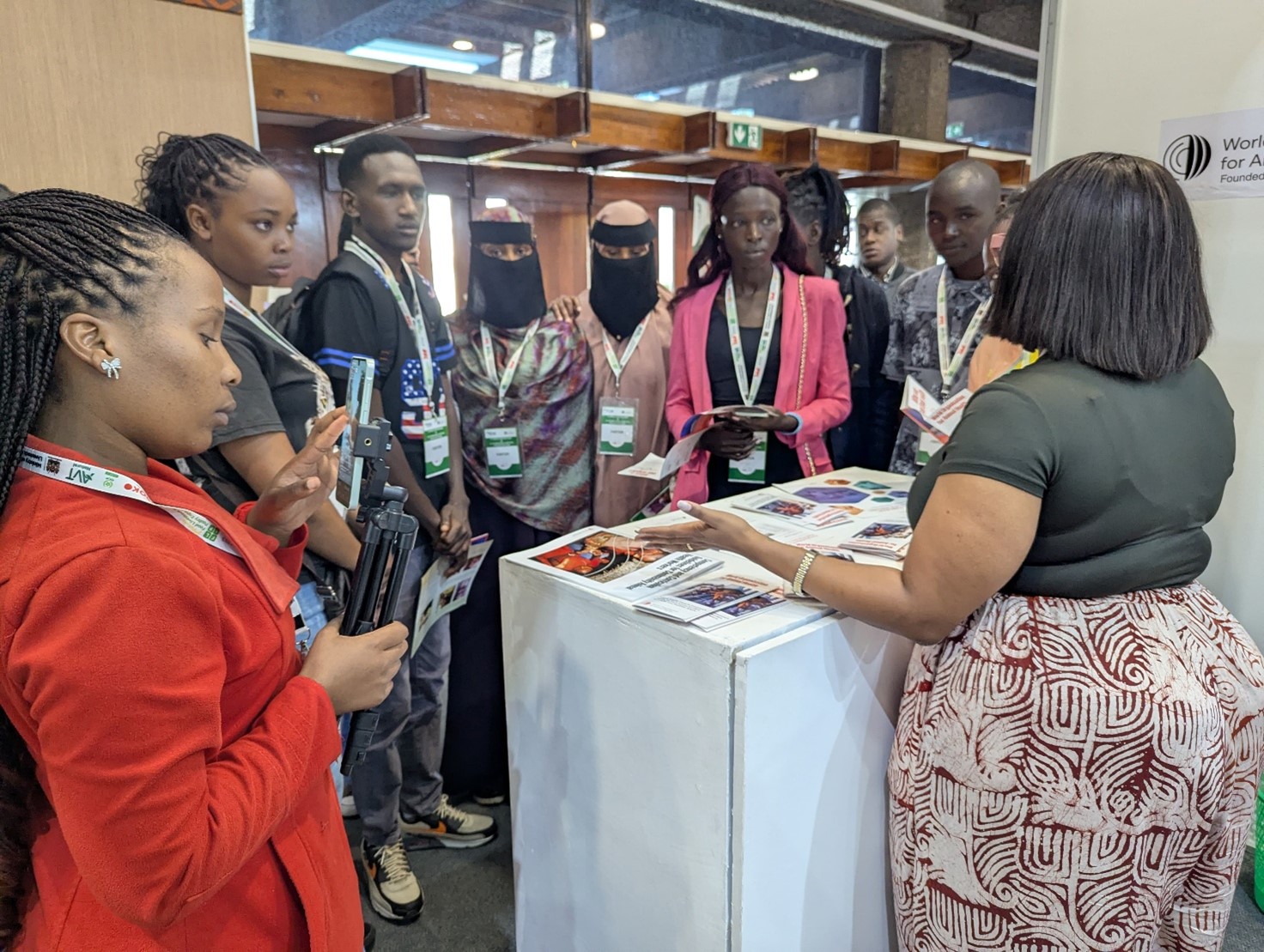
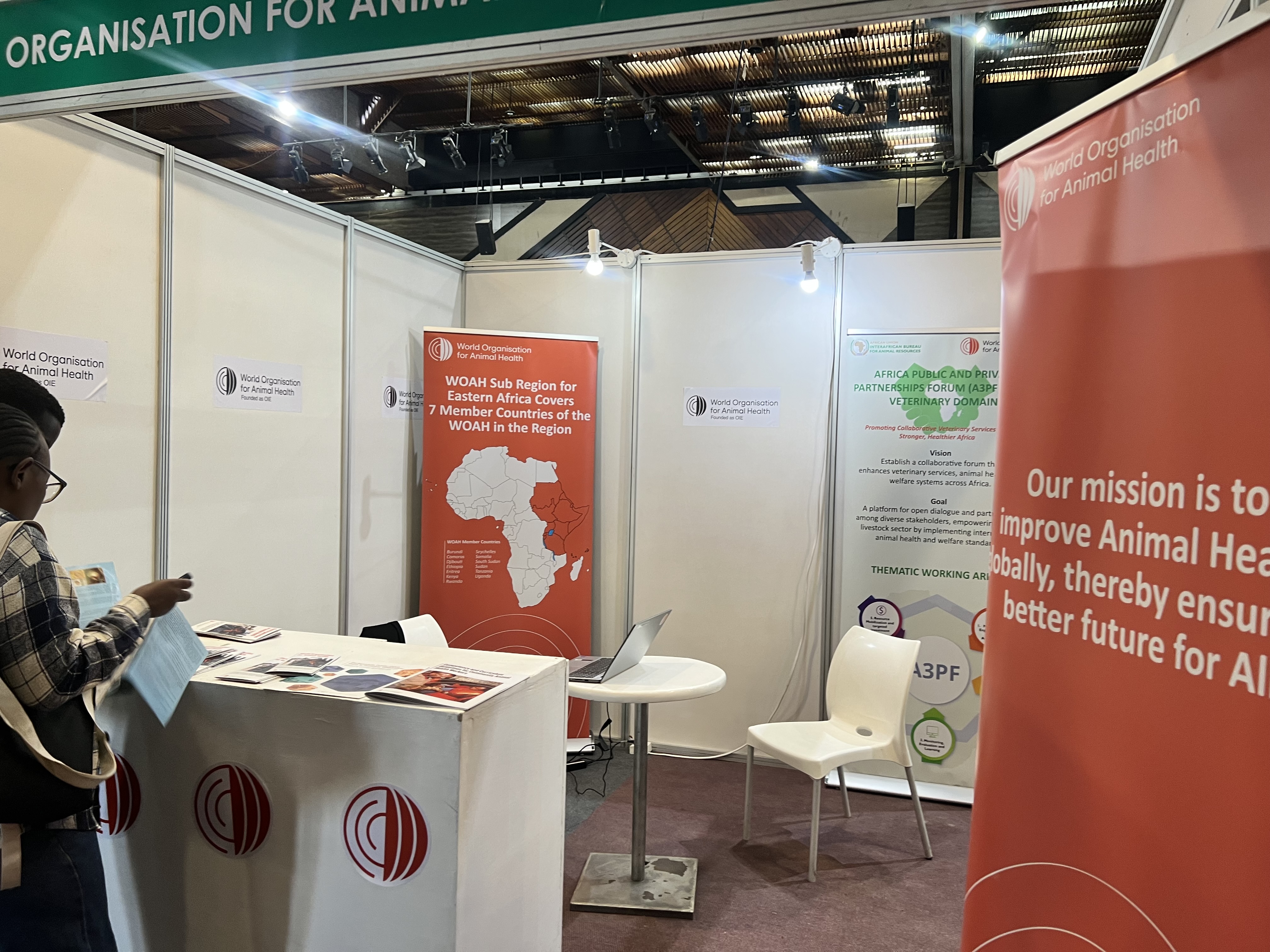
Many visitors flocked the WOAH booth curious to understand how our work affected an impacted their work. This gave us the opportunity to educate and inform them about the WOAH standards and how they could get multiple resources, that they could use as guidelines to their everyday work in the sector.
WOAH’s presence reinforced its leadership role in supporting countries in Eastern Africa to build resilient, inclusive, and sustainable livestock systems.
Ms. Lyne Iyadi in discussion with young veterinarian from the training institute who visited the WOAH booth. Picture © D. Rono (woah) 2026.
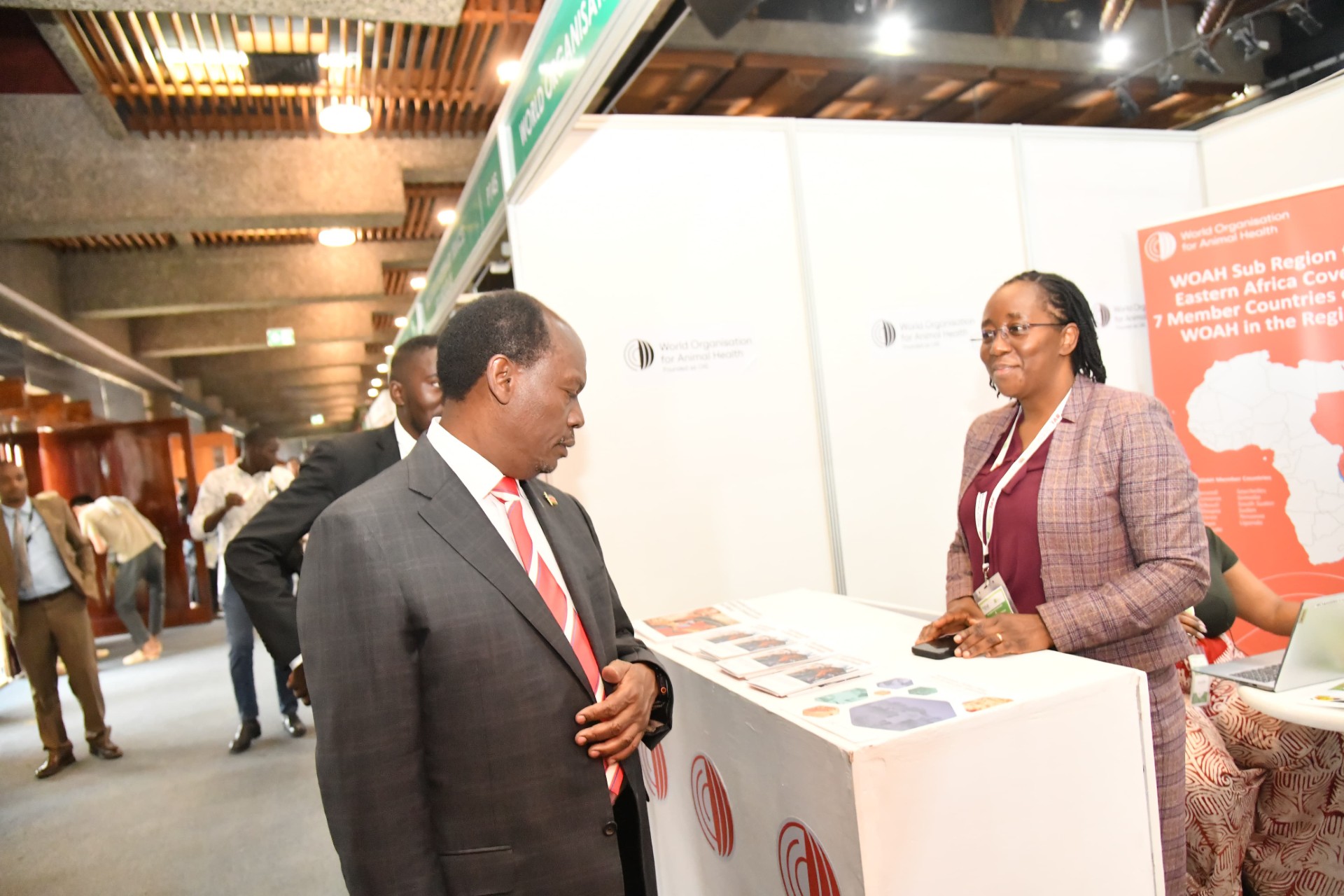
Dr Jane Lwoyero, engaging with the Cabinet Secretary for ICT Kenya- Hon William Kabogo EGH, who visited WOAH booth.
Dr. Jane Lwoyero in discussion with a visitor at the WOAH booth. Picture © L. Iyadi (woah) 2026.
Ms. Lyne Iyadi (right) in discussion with a visitor to the booth. Picture © P. Bastiaensen (woah) 2026
Mr. Desmond Rono (right) in discussion with a visitor to the booth. Picture © P. Bastiaensen (woah) 2026
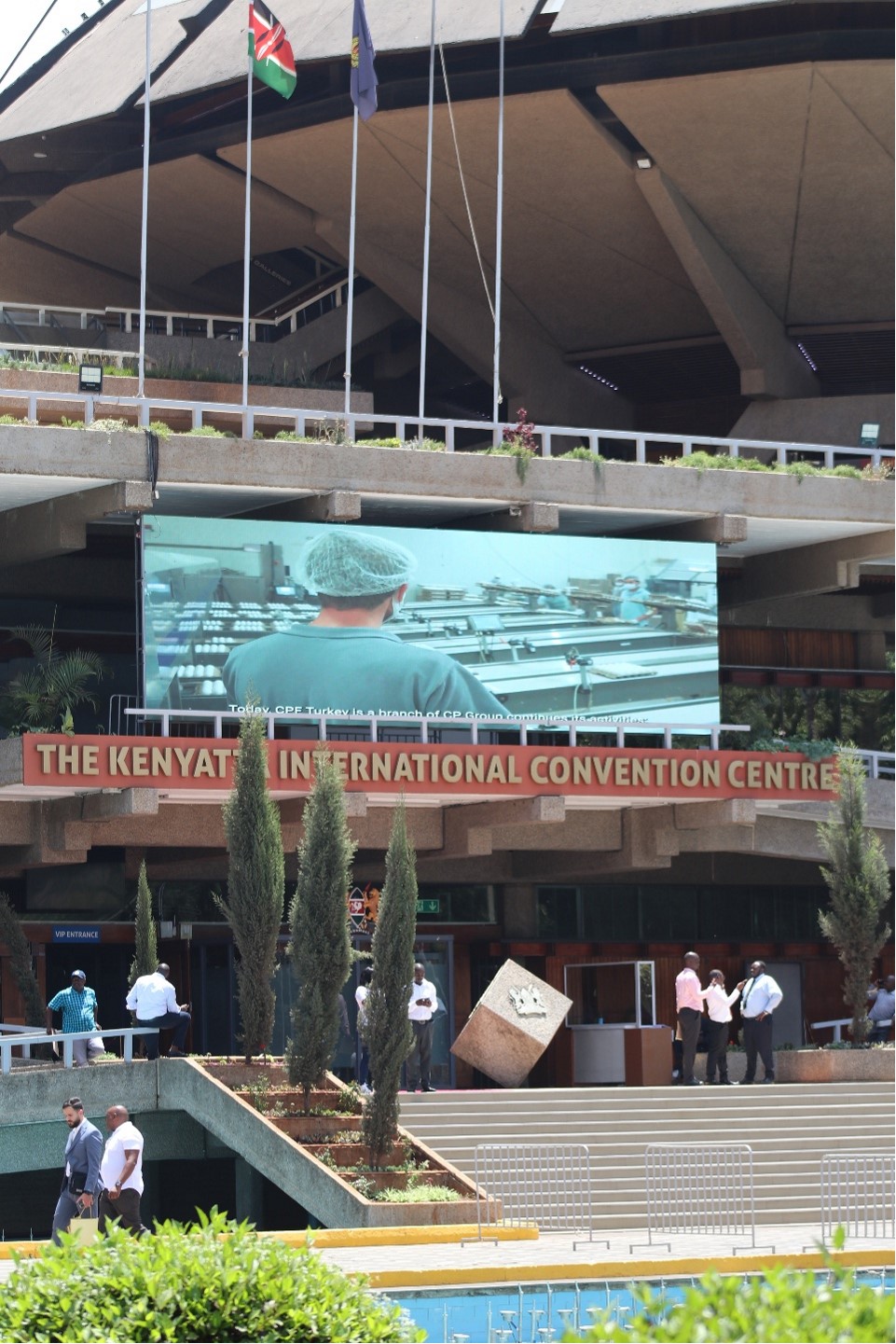
The Kenyatta International Convention Centre in Nairobi. Picture © P. Bastiaensen (woah) 2026