




PICTURES OF THE EVENT
Flickr photo album
Read more
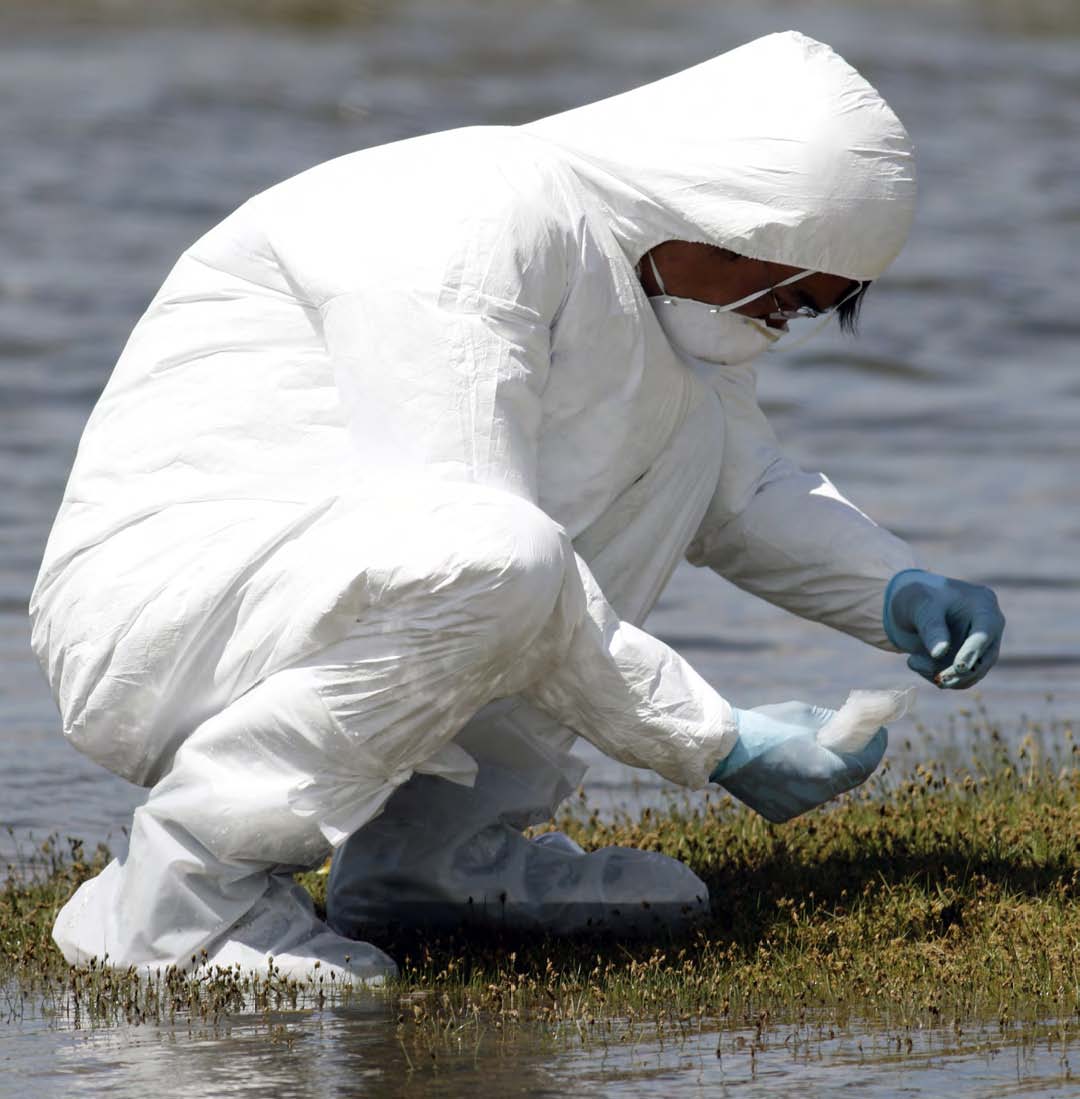
Animals and animal products play essential roles in human society, providing food, livelihoods, companionship, and economic value. However, they increasingly suffer from illegal and criminal activities that put food security at risk, undermine economic stability, and threaten national security. Collectively referred to as animal agro-crime, these activities include falsified veterinary products, animal welfare violations, deliberate release of pathogens, food fraud, regulatory non-compliance, illicit wildlife trade, smuggling, and poaching. Addressing these threats requires coordinated action from Veterinary Services and Law Enforcement agencies. By fostering collaboration, both sectors can mobilise additional resources and expertise, enhance intelligence-sharing, and improve risk and threat assessments to combat animal agro-crime more efficiently.
To tackle agro-crime, WOAH and INTERPOL jointly organised a workshop to operationalise the draft Agro-Crime Roadmap, a new framework designed to strengthen cooperation between Veterinary Services and Law Enforcement agencies. Held from 25–28 November in Harare, Zimbabwe, the Tackling Agro-Crime Strategic Workshop brought together representatives from the nine beneficiary countries of the Fortifying Institutional Resilience Against Biological Threats (FIRABioT) project: Algeria, Congo (Rep), Kenya, Madagascar, Malawi, Morocco, Namibia, Tanzania, and Zimbabwe.
‘the message I want to leave you with today is simple: we cannot operate in silos. The threats we face do not respective institutional mandates or national borders. Effective prevention, detection and response all require collaboration – joint assessments, joint preparedness activities and coordinated response. But, most importantly, trusted relationships.’ – Dr Daniel Donachie, Programme Manager for Emergency Management, WOAH
Dr Daniel Donachie, Programme Manager for Emergency Management, WOAH
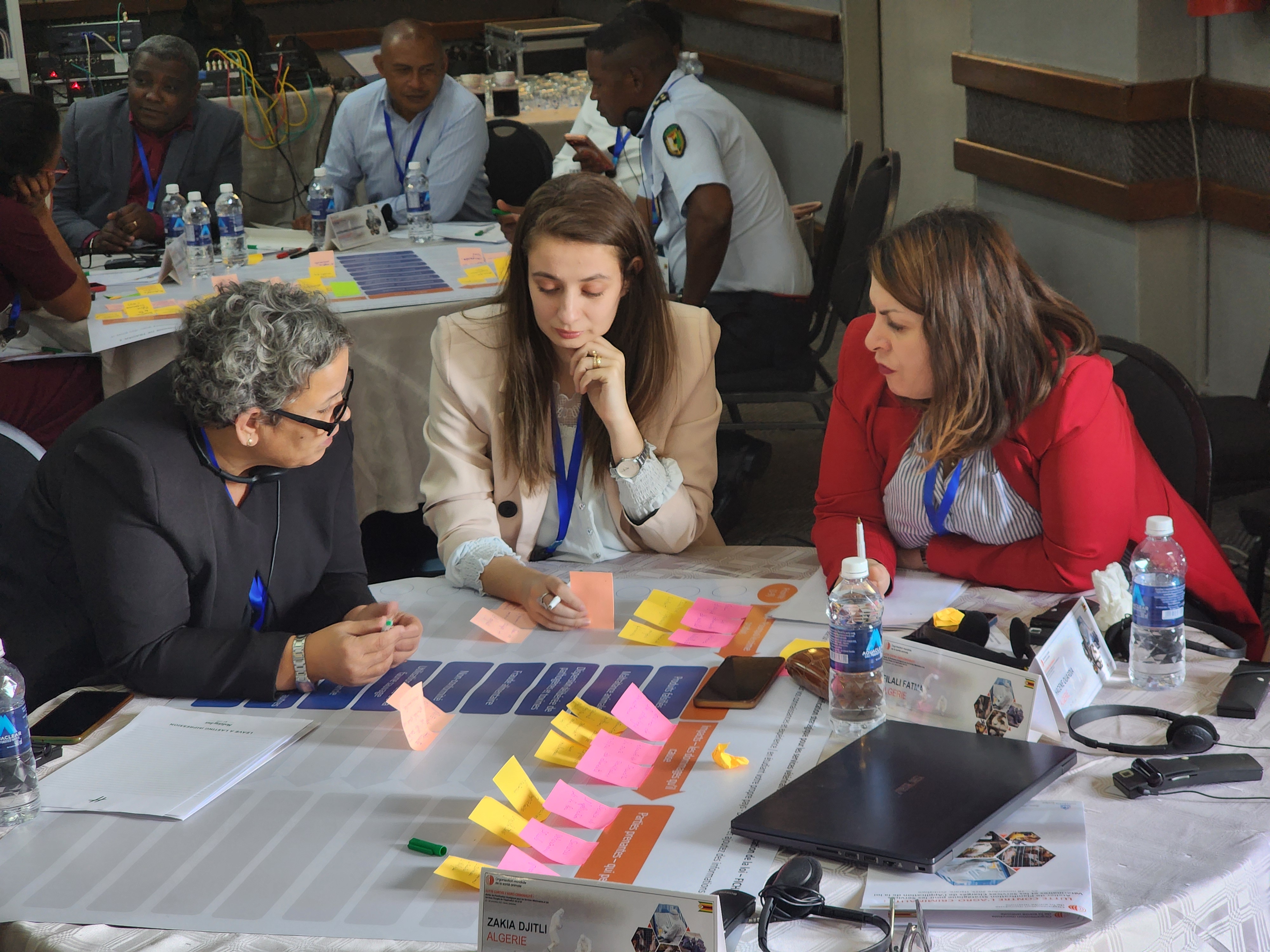
Participants working on the Agro-Crime Roadmap. Picture © I. Busuulwa (woah) 2025.
The opening session featured remarks from Dr. Daniel Donachie on behalf of Dr Moetapele Letshwenyo, WOAH Sub-Regional Representative for Southern Africa, and Adrien Sivignon, Coordinator of the Bioterrorism Prevention Unit at INTERPOL. Both emphasised the long-standing partnership between their organisations in protecting societies from biological threats. On behalf of the Government of Canada, Jessica Dawson, Counsellor at the Embassy of Canada to Zimbabwe, highlighted Canada’s continued support through the Weapons Threat Reduction Program and the Global Partnership Against the Spread of Weapons and Materials of Mass Destruction.
The workshop was officially opened by Professor Dr. Obert Jiri, Permanent Secretary of the Ministry of Lands, Agriculture, Fisheries, Water, and Rural Development of the Government of Zimbabwe. Dr. Jiri underscored the growing threat of agro-crime and reaffirmed Zimbabwe’s commitment to national biosecurity and multi-sectoral collaboration, supported through FIRABioT and partnerships with WOAH, INTERPOL, and Global Affairs Canada.
Adrien Sivignon, Coordinator, Bioterrorism Prevention Unit, INTERPOL
Professor Dr. Obert Jiri, Permanent Secretary of the Ministry of Lands, Agriculture, Fisheries, Water, and Rural Development, Zimbabwe
Ms. Jessica Dawson - Counsellor, Embassy of Canada to Zimbabwe, Professor Dr. Obert Jiri - Permanent Secretary for the Ministry of Lands, Agriculture, Fisheries, Water and Rural Development, Dr. Lawrence Dinginya – Director Veterinary Technical Services during the opening session. Picture © I. Busuulwa (woah) 2025.
Over four days, participants explored the Agro-crime Roadmap, identified priority crimes affecting their countries, actions to tackle them, and key stakeholders to implement these actions. Through a series of expert interventions and guided learning exercises, the workshop introduced participants to agro-crimes and their effects, key elements of the roadmap, and strategies and actions that countries can put in place to enhance collaboration among key stakeholders. Teams shared insights and experiences across countries, and each created a draft country roadmap.
They also provided valuable feedback on the roadmap, including strategies to ensure its adoption at country level. On the last day, countries presented their current national readiness and next steps to enhance their collective responses to agro-crime. Closing remarks were delivered by Dr, Pious Makaya, WOAH Delegate for Zimbabwe, who commended participants for their excellent efforts throughout the workshop.
Dr. Pious Makaya, WOAH Delegate for Zimbabwe (5th from the left) with workshop resource persons and facilitators. Picture © I. Busuulwa (woah) 2025.
Looking ahead, the nine FIRABioT countries will continue developing and implementing their agro-crime roadmaps, while WOAH and INTERPOL will refine the guiding tool and provide technical assistance to Members for its implementation.
This capacity building initiative forms part of the Fortifying Institutional Resilience against Biological Threats (FIRABioT) Project, funded by Global Affairs Canada’s Weapons Threat Reduction Programme in support of the Global Partnership Signature Initiative to Mitigate Biological Threats in Africa.