

Nairobi, Kenya
Advancing Africa’s role in global PPR eradication: WOAH’s secondment to the Pan-African PPR Secretariat (PAPS) hosted at AU-IBAR.
July 02, 2025
Read more
Since the approval of the Peste des Petits Ruminants Global Control and Eradication Strategy (PPR GCES) in 2015, significant progress has been made toward the goal of eradicating PPR by 2030. The strategy, implemented through the PPR Global Eradication Programme (PPR GEP) Blueprint launched in November 2022, focuses not only on eradicating the disease but also on strengthening veterinary services and reducing the impact of other major infectious diseases affecting small ruminants.
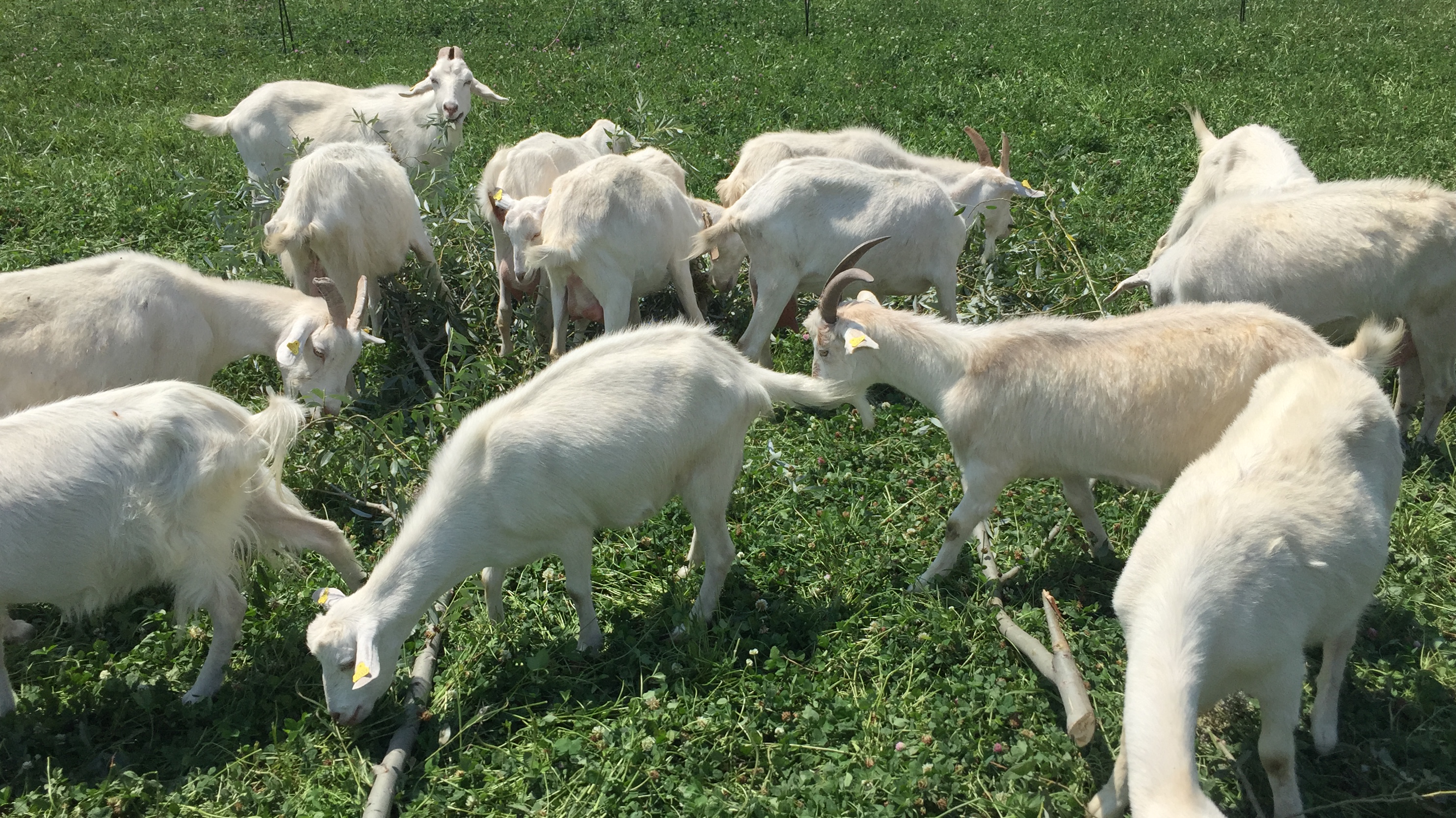
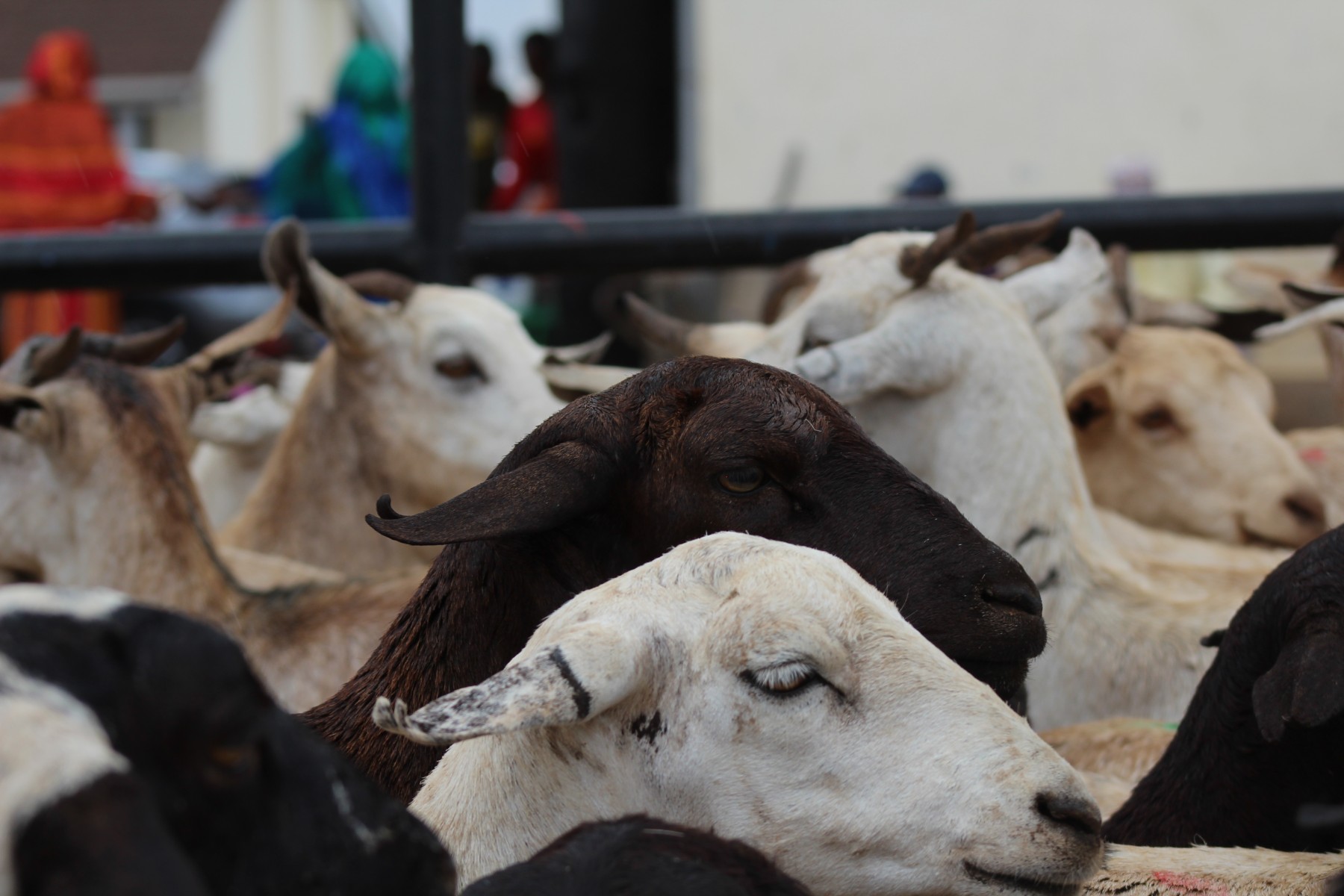
Launch of the PPR Vaccination Campaign. Isiolo, Kenya Picture (c) P. Bastiaensen (oie, woah) 2019
Recognising that PPR persists due to complex, interconnected epidemiological and socio-economic factors, the PPR GEP Blueprint introduced the episystem approach. Unlike earlier geographical models, the episystem concept considers the full range of drivers sustaining virus transmission—including animal movements, trade corridors, husbandry practices such as pastoralism and transhumance, and access to animal health services. A PPR episystem is defined as a dynamic system of epidemiological, biological, environmental, economic, and social factors that enable the virus to emerge, spread, and circulate indefinitely. These systems may span local areas or cross national borders, making their identification essential for targeted surveillance and vaccination.
To support countries in applying this approach, PPR episystem guidelines have been developed. Two international training workshops have already taken place—in Yaoundé, Cameroon (2024), and in Ulaanbaatar, Mongolia (2025)—building capacity in episystem identification and strategic resource allocation.
Forthcoming Events
Building on this momentum, two key meetings are scheduled to take place back-to-back in the Eastern Africa region, responding to interest expressed by Great Lakes countries during the PPR roadmap meeting held in Sebeta, Addis Ababa, in September 2025. These events will focus on strengthening cross-border collaboration and advancing the episystem approach to accelerate PPR control and eradication.
Together, these events underscore a continued commitment to the PPR GCES and the operationalisation of the episystem approach. By equipping countries with the tools to understand disease dynamics at their source and to coordinate across borders, these gatherings will play a vital role in sustaining progress toward the 2030 eradication goal.
For more information, please contact Dr Viola Chemis at [email protected].