ZOOSURSY
Enhancing zoonotic disease surveillance in Africa
Read more
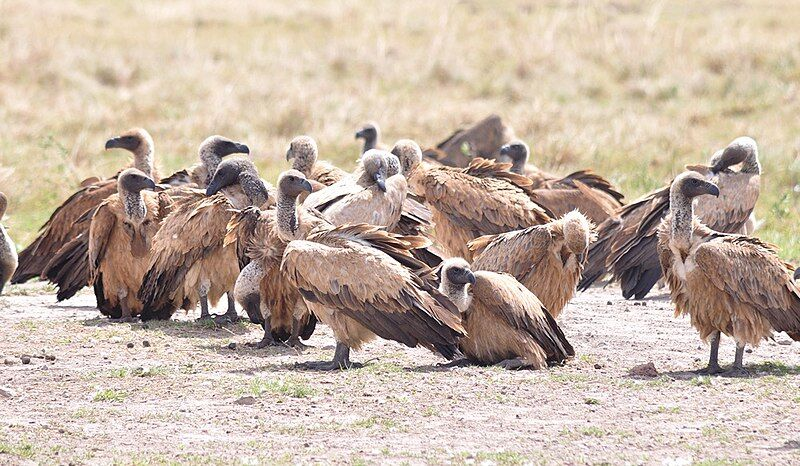
Vultures are essential to healthy ecosystems and human wellbeing, yet their populations are rapidly declining across Africa and beyond. Their disappearance is not only a biodiversity crisis but also a serious animal and public health concern.
As nature’s clean-up crew, vultures rapidly consume carcasses that could otherwise harbor pathogens, limiting the spread of diseases among wildlife, livestock, and humans.
On this 2026 World Wildlife Day (3 March), the World Organisation for Animal Health (WOAH) organizes a one-hour webinar, from 12 to 1 pm, bringing together leading experts to explore how science, policy, and education can turn the tide against toxic threats to biodiversity. To register for the webinar, kindly click here
In line with the mission of the World Organisation for Animal Health (WOAH) and the One Health approach — which recognizes the interconnection between animal, human, and environmental health — vulture conservation must be widely recognized as a critical component of global animal health systems. By safely disposing of animal remains, vultures reduce the risk of outbreaks such as anthrax, rabies, and other zoonotic diseases, thereby supporting veterinary public health and livestock biosecurity.
To reverse current declines, urgent scientific and policy action is needed. Research on biology breeding, safe nesting requirements, and the use of telemetry across species and age groups will strengthen evidence-based conservation strategies. Coordinated carcass counts conducted simultaneously across regions will provide reliable data to inform animal health surveillance systems. Harmonized cross-border management of protected areas, along with strict control of toxic substances such as carbofuran, is essential to prevent mass poisoning events that threaten both biodiversity and ecological sanitation services.
André Botha, co-chair of the Vulture Specialist Group at the IUCN, the global wildlife conservation authority reported more than 2,000 vultures been poisoned in Kruger National Park in 2005 and the wider Greater Limpopo Transfrontier Conservation Area (GLTFCA).
Advanced studies on inter- and intra-specific competition from WCS experts will further clarify ecological dynamics at carcasses, improving understanding of ecosystem balance. In addition, urgent research on declining urban populations, especially the Hooded Vulture, is necessary, as their disappearance from major towns removes a vital natural waste management service in densely populated areas.
Poisoning through agricultural chemicals, heavy metals, and veterinary pharmaceuticals from public provenance is reported to affect the health of vultures at sub-lethal levels, and high levels of toxicity result in high levels of vulture mortalities.
While the 2026 World Wildlife Day (WWD) theme ‘Medicinal and Aromatic Plants: Conserving Health, Heritage and Livelihoods’ draws attention to the conservation of important plant species, WOAH’s strategic focus remains centered on animal health risks with global epidemiological relevance. Healthy plant communities support resilient ecosystems, while healthy wildlife populations help maintain ecological balance. Highlighting these two perspectives, underline that plant conservation and wildlife protection are not separate priorities, but interconnected components of resilient ecosystems. Highlighting vulture conservation therefore complements the botanical theme by illustrating how biodiversity protection supports global health. Together, they reflect the holistic nature of conservation and health.
Protecting vultures aligns directly with WOAH’s objectives of strengthening veterinary systems, preventing disease transmission, and promoting sustainable animal health management worldwide. By integrating vulture conservation into national animal health policies, surveillance frameworks, and cross-border cooperation mechanisms, governments and international partners can safeguard ecosystems, protect public health, and reinforce the One Health agenda.
Let us use World Wildlife Day 2026 as a turning point to elevate vultures from overlooked scavengers to recognized allies in global animal health.
Saving vultures ultimately means protecting wildlife, livestock, human communities, and our shared global health security. It is about strengthening One Health systems worldwide!