Veterinary paraprofessionals
Strengthening veterinary services to better protect animal, human and environmental health (1/4)
December 05, 2025
Read more
Veterinary legislation is one of the essential foundations of veterinary service governance. Broadly speaking, and within the framework of the World Organisation for Animal Health (WOAH’s) Veterinary Legislation Support Programme (VLSP), it encompasses both primary and secondary legislation governing the exercise of veterinary functions.
Comprehensive, consistent veterinary legislation that complies with WOAH international standards is essential to provide Veterinary Authorities with the powers and authority necessary to carry out their duties effectively. It is a key lever for protecting animal health, public health and the proper functioning of national veterinary systems.
In many Member (countries and territories), however, veterinary legislative frameworks remain outdated or insufficiently adapted to contemporary realities. They struggle to respond to major challenges such as increased demand for animal products, intensified international trade, the effects of climate change, the emergence of transboundary diseases, the circulation of counterfeit products, the lack of clear legal frameworks for veterinary personnel, and the rise of antimicrobial resistance and biological threats.
These shortcomings undermine the work of Veterinary Authorities and limit the effectiveness of public policies on animal and public health.
To address these challenges, WOAH is implementing the Veterinary Legislation Support Programme, which is structured in two main stages. The first stage consists of an identification mission, aimed at establishing an in-depth diagnosis of national veterinary legislation and formulating targeted recommendations. At the request of the country, this mission may focus on specific topics such as antimicrobial resistance or the reduction of biological threats.
The second stage is based on the conclusion of a one-year agreement to support the revision of existing legislation and/or the development of new laws and regulations in line with national strategic priorities. This agreement is preceded by a six-month preparatory phase, during which the objectives and work programme are defined jointly with the national authorities.
Access to the VLSP programme is granted upon submission of an official request to the WOAH Director General. Once the request has been approved, the Organisation works closely with the veterinary authority to provide the country with structured technical and legal support tailored to the national context.
By supporting the development of high-quality veterinary legislation aligned with international standards, the VLSP contributes to the sustainable strengthening of Members’ institutional capacities. It enables veterinary authorities to fully exercise their sovereign functions for the benefit of animal health, public health and the health security of populations.
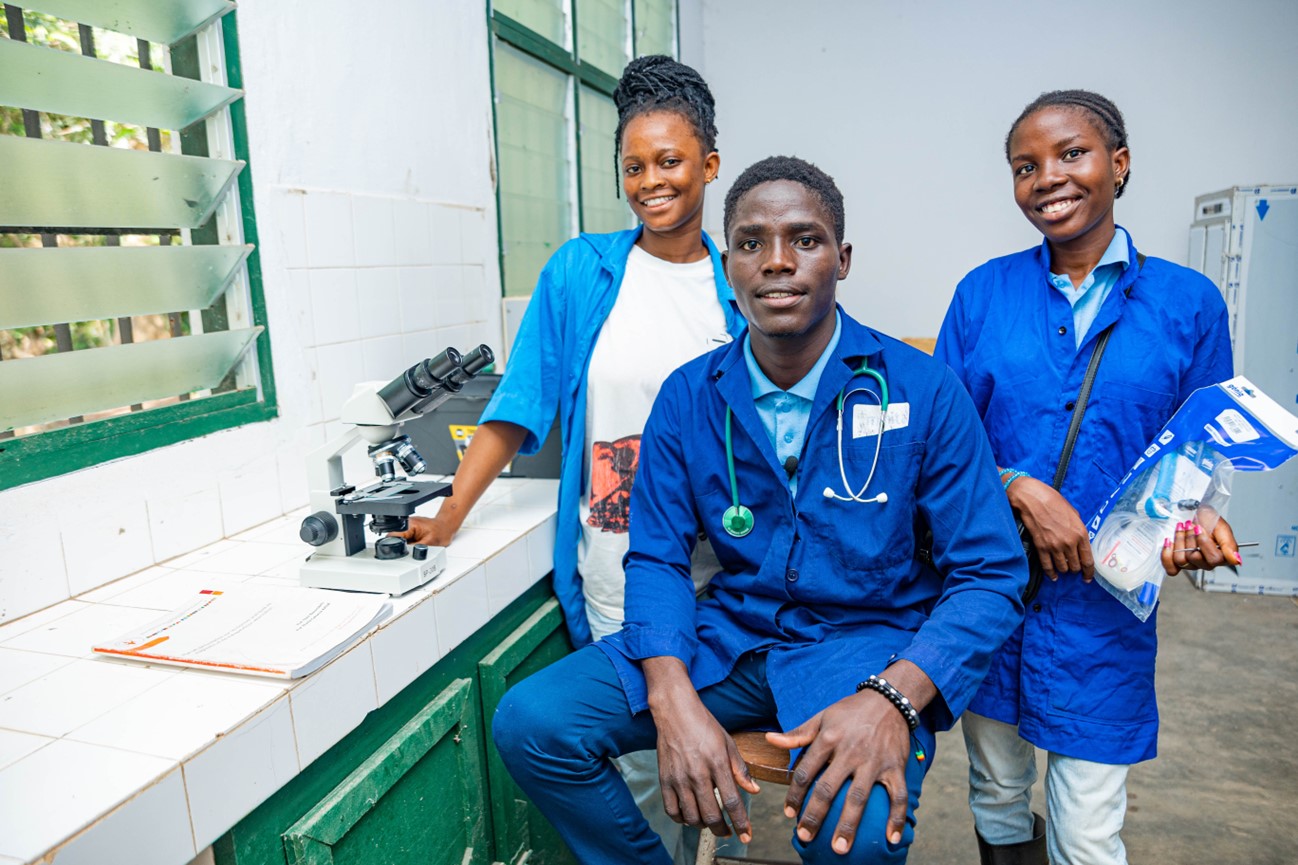
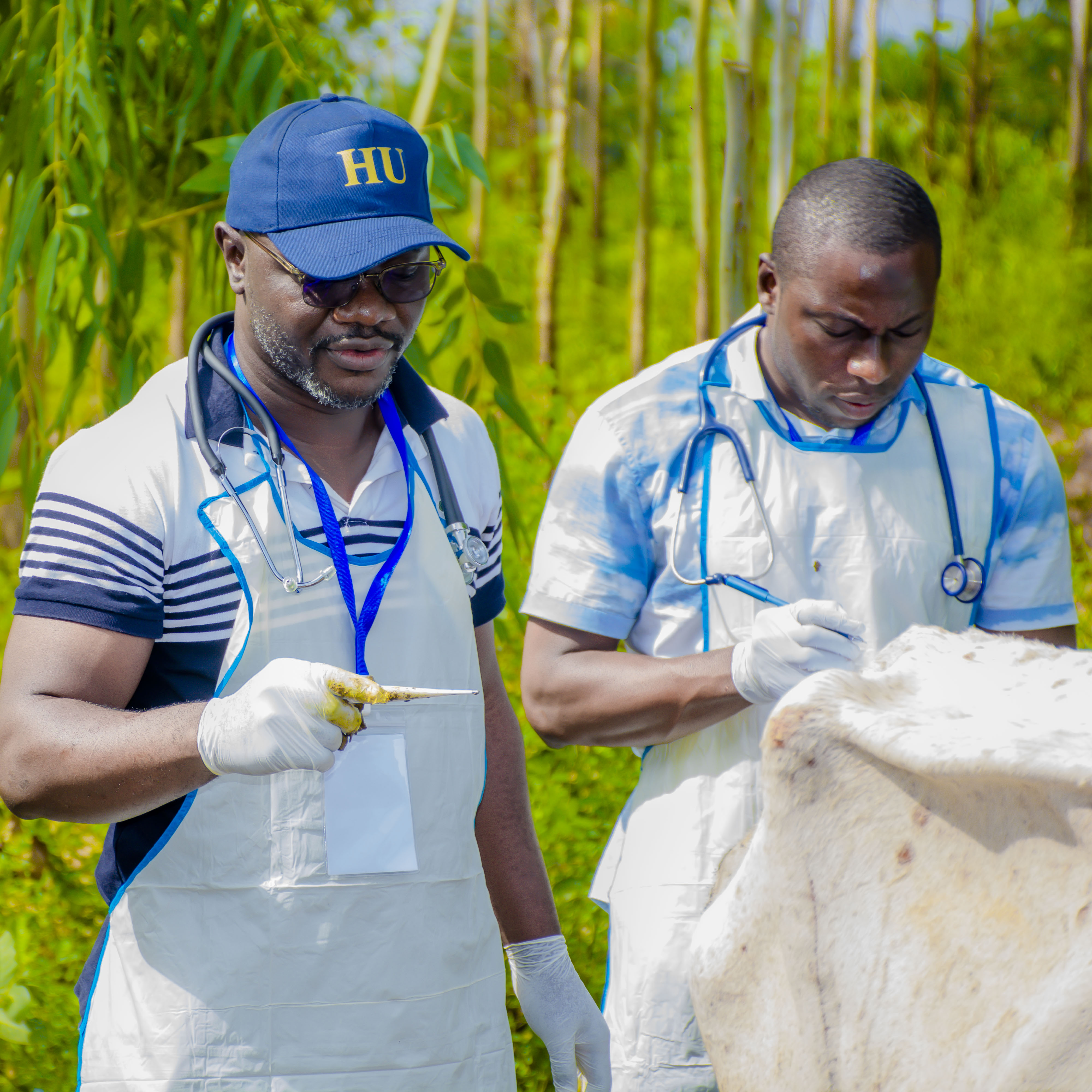
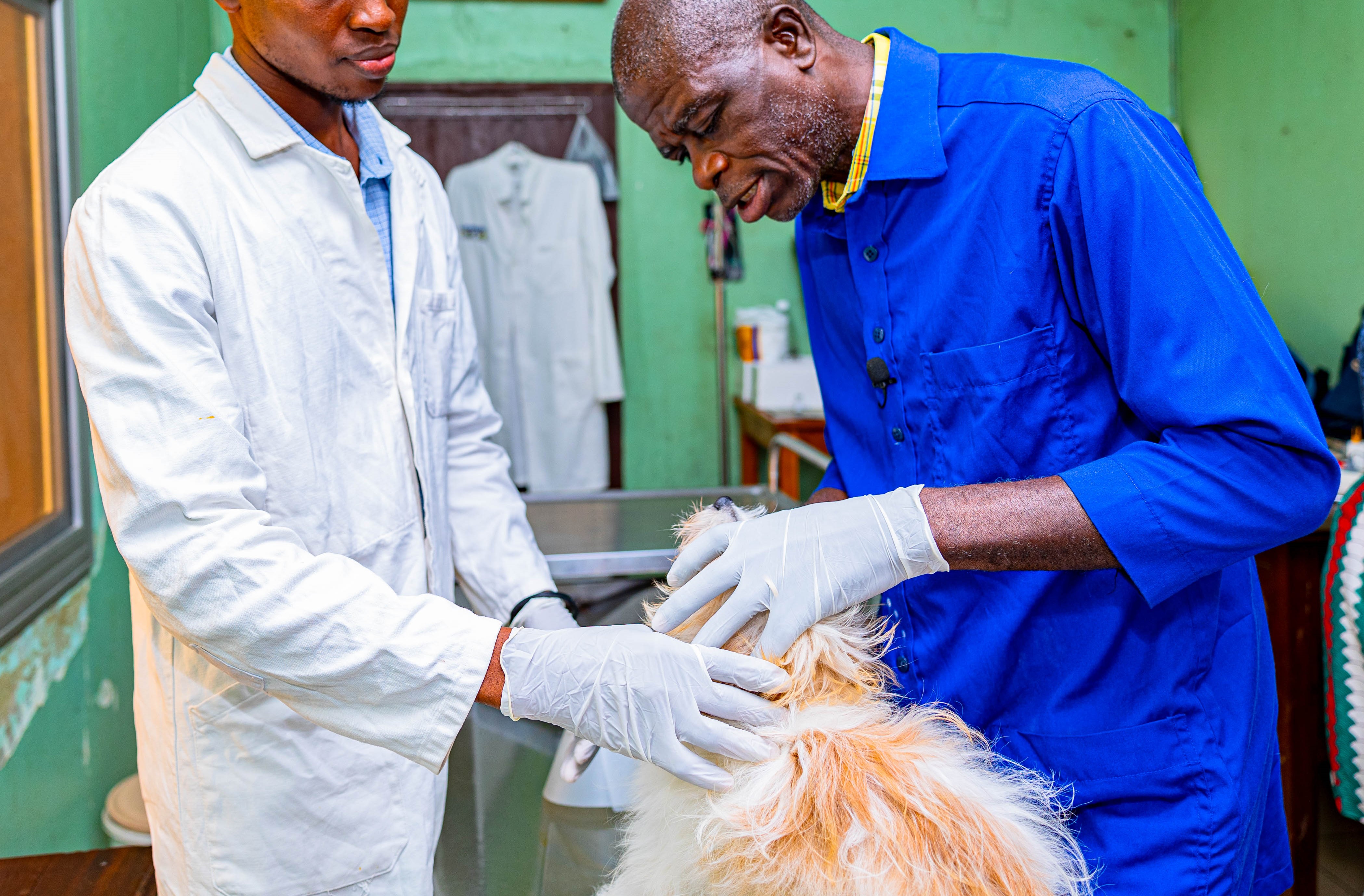
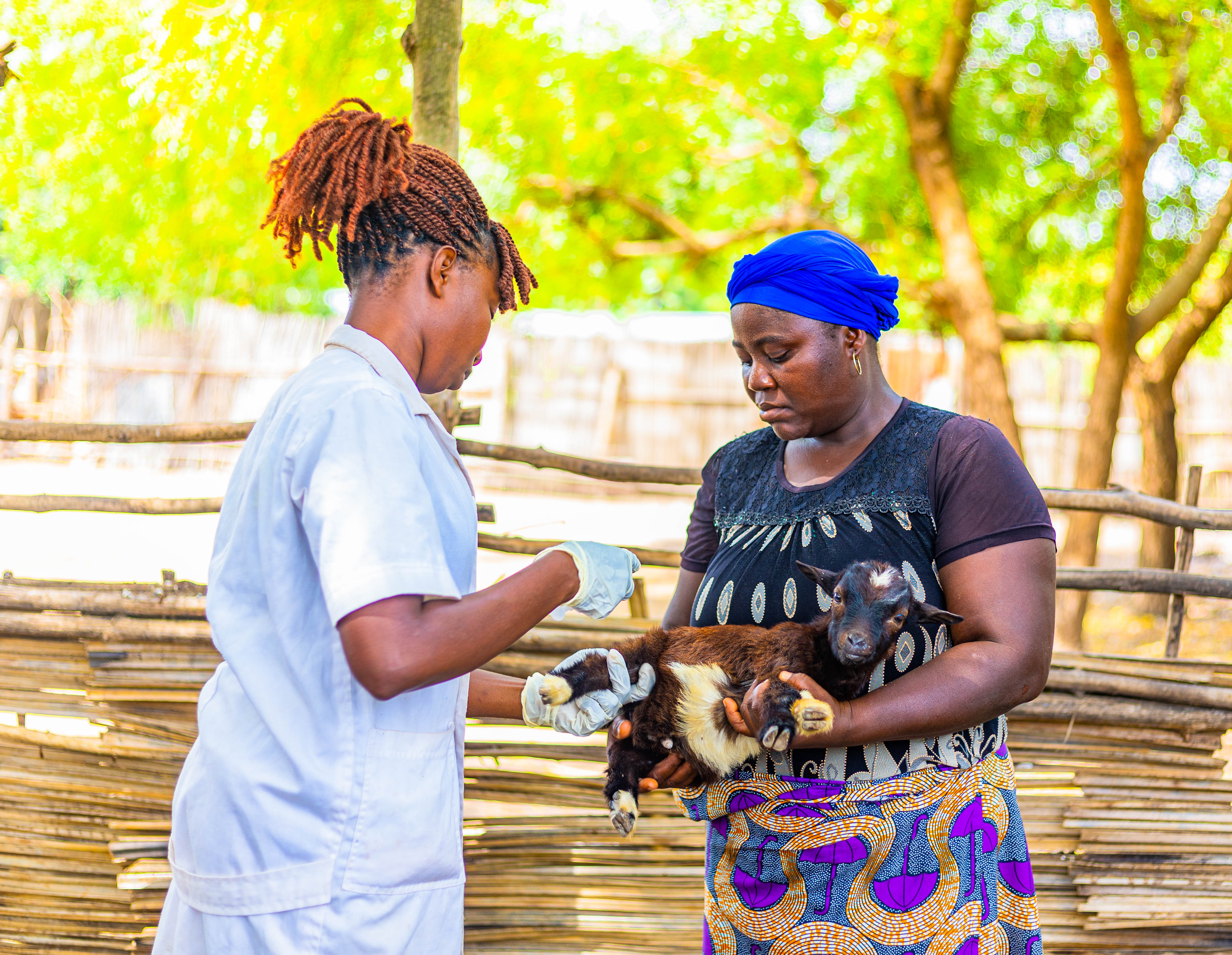
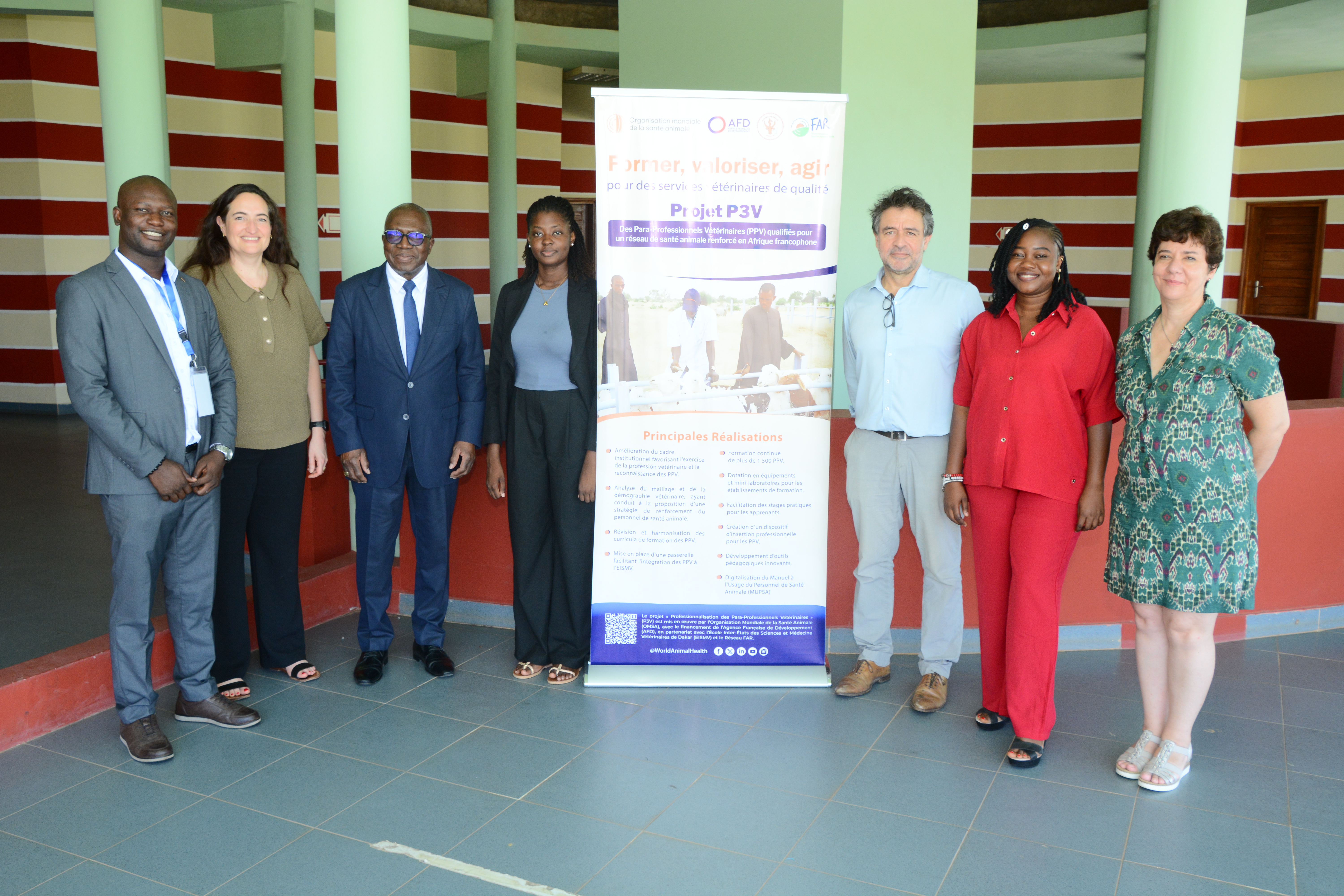
In line with this approach, the Professionalising Veterinary Paraprofessionals (P3V) Project complements legislative reforms by contributing to the professionalisation of veterinary and paraprofessional human resources. By combining skills development, job structuring and improvements to legal frameworks, the work of WOAH and its partners is helping to build more resilient veterinary systems capable of meeting the health challenges of today and tomorrow.
Strengthening veterinary legislation for effective animal health governance (in french). Video (c) WOAH (P3V) 2025.