Veterinary paraprofessionals
Strengthening veterinary services to better protect animal, human and environmental health (1/4)
December 05, 2025
Read more
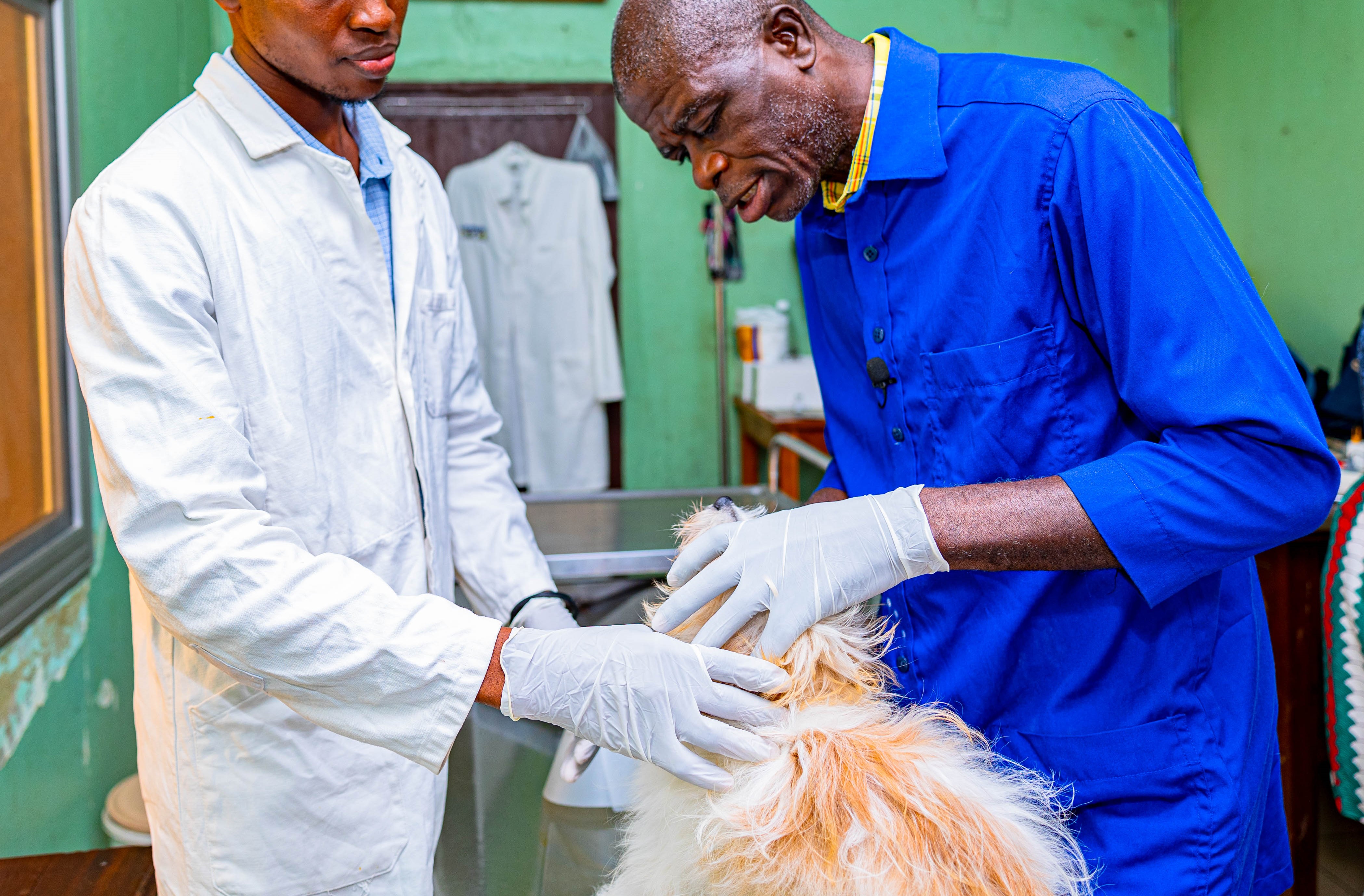
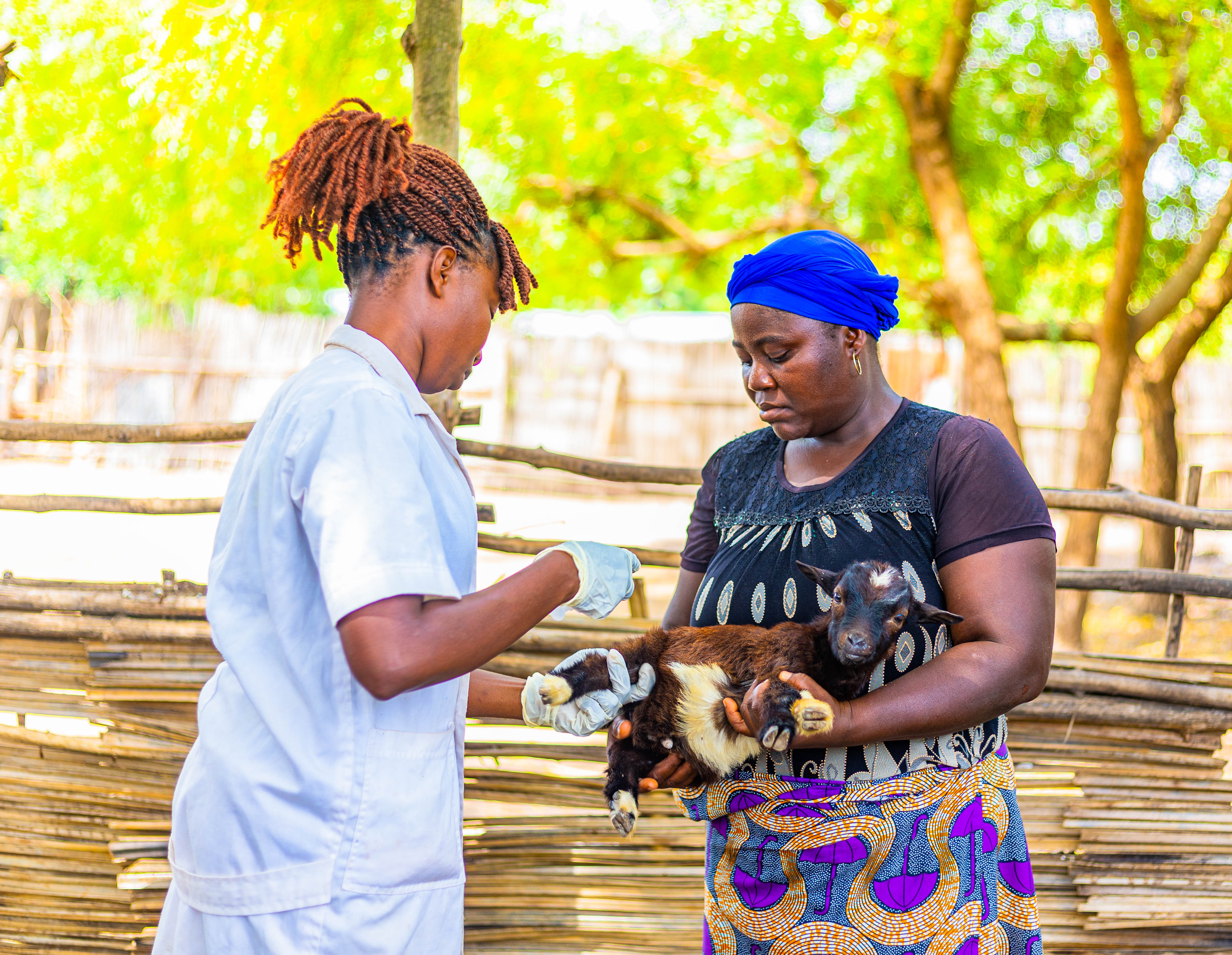
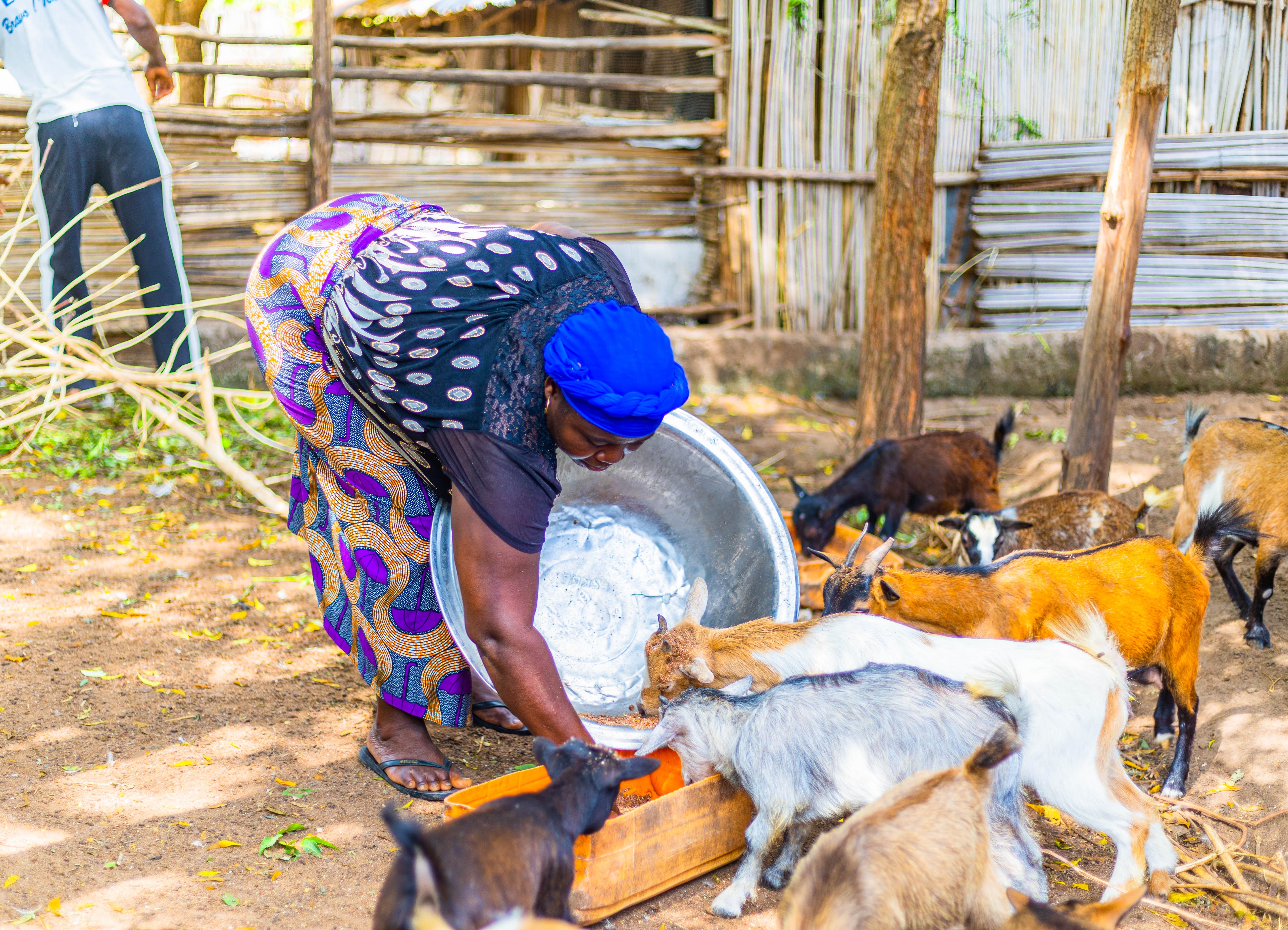
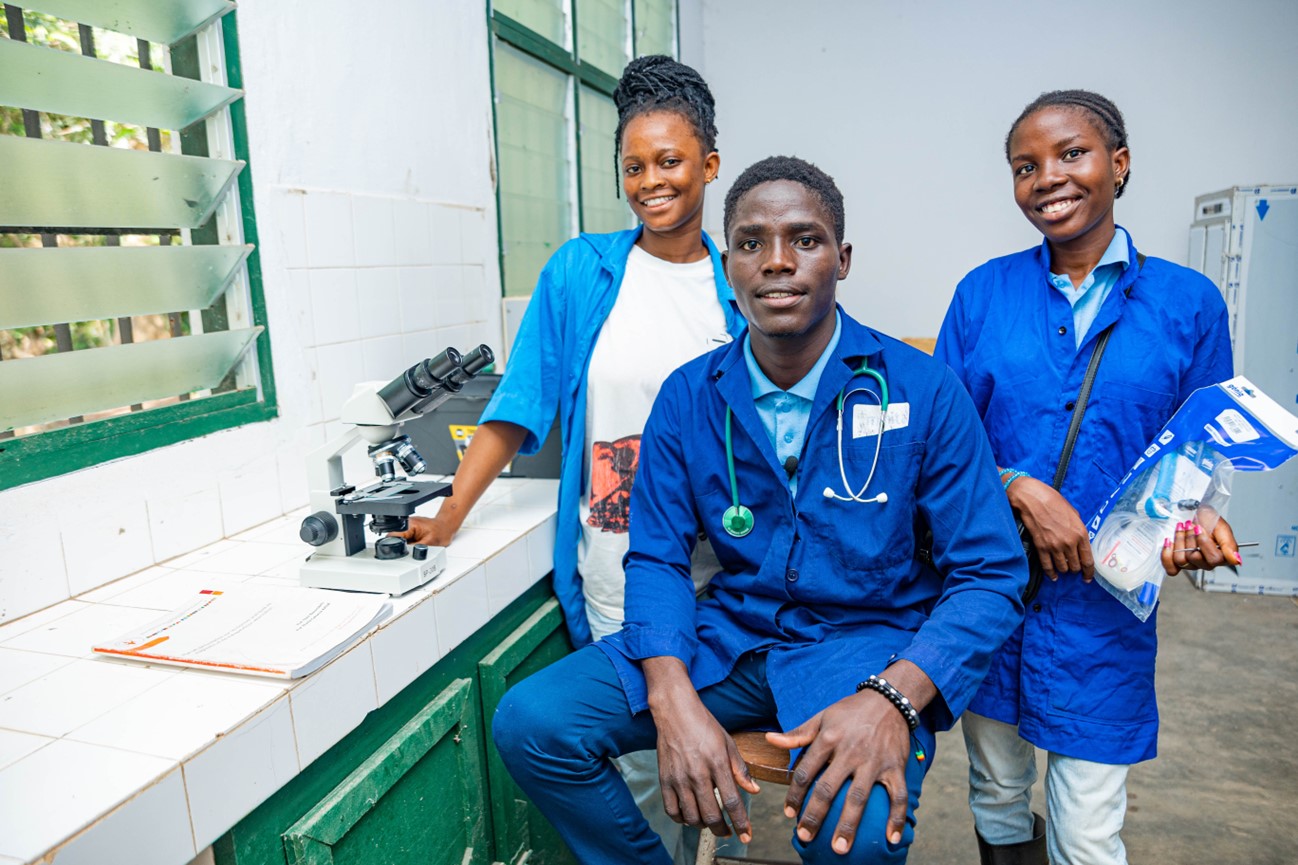
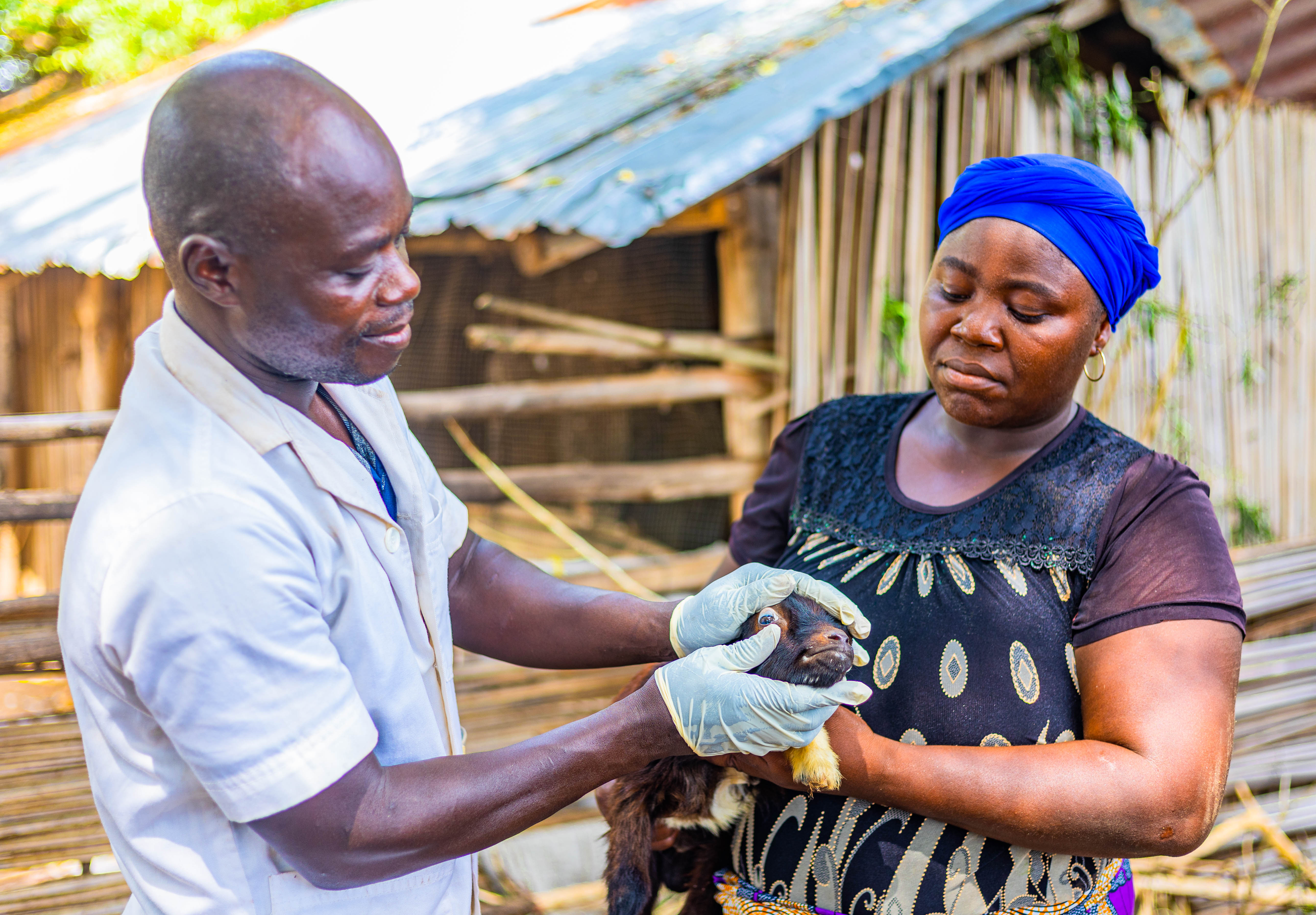
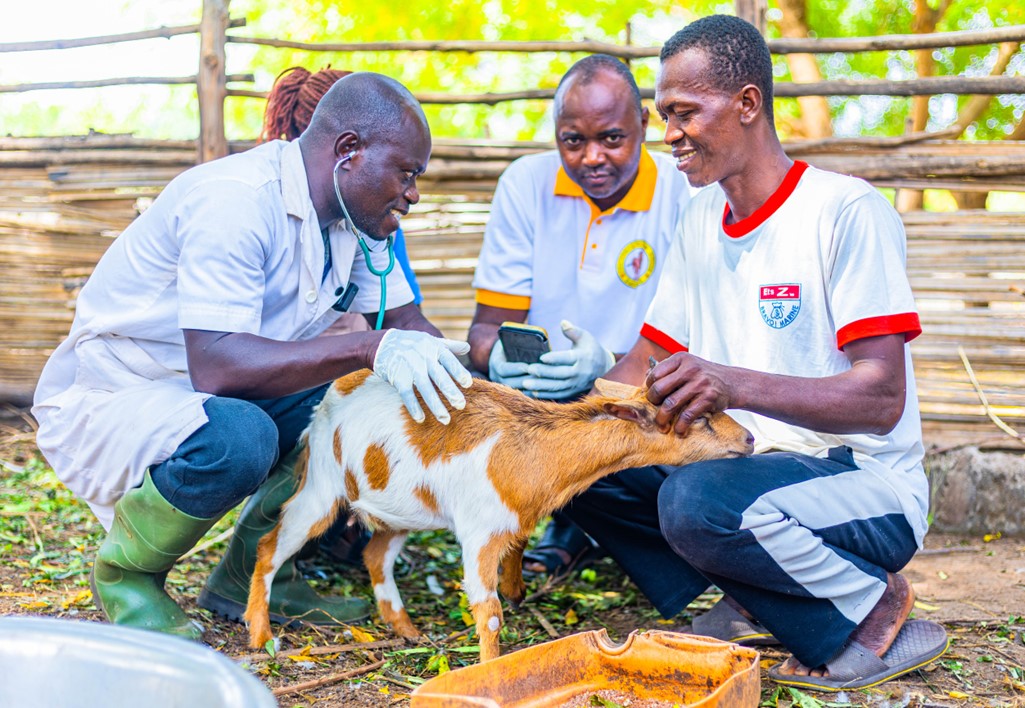
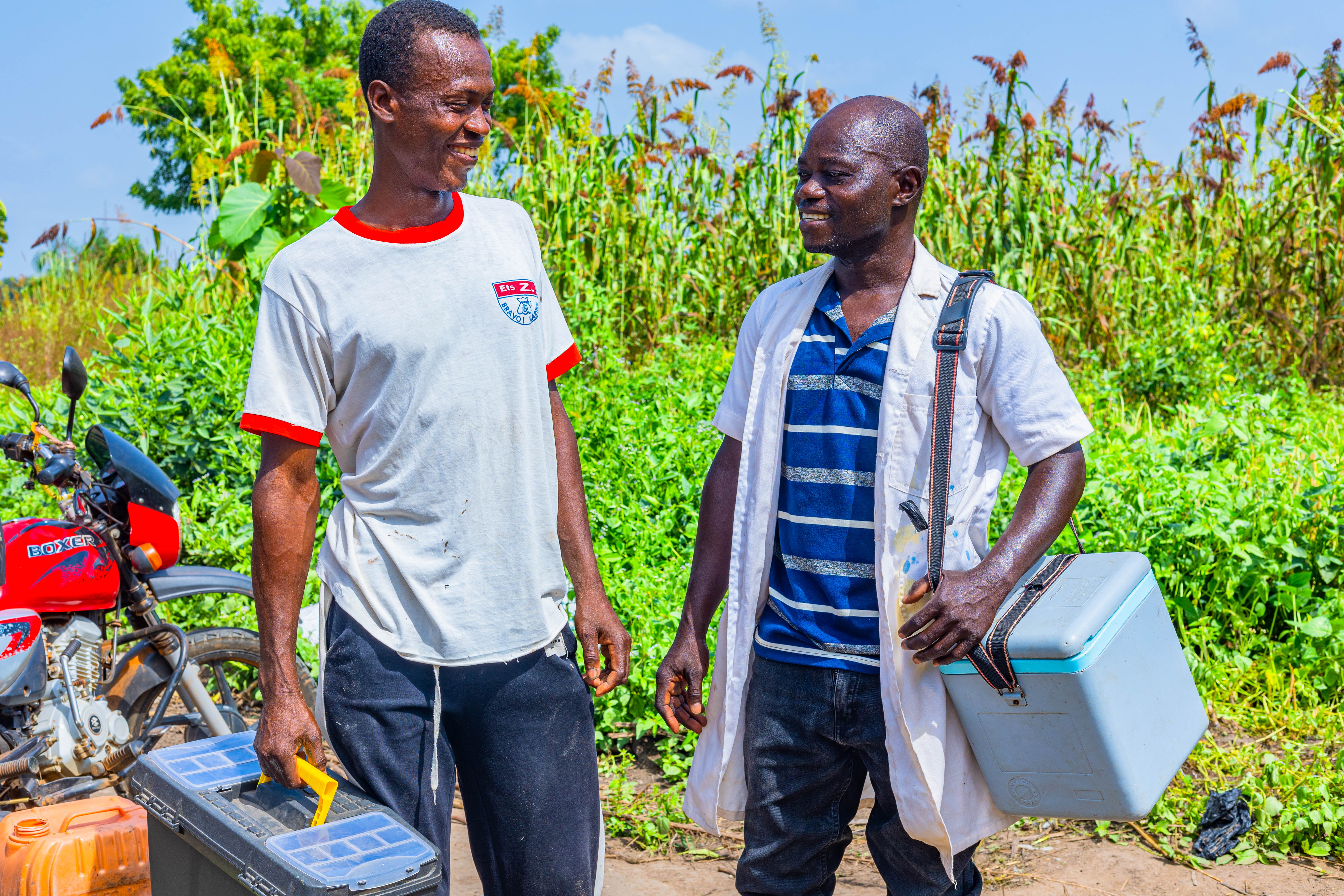
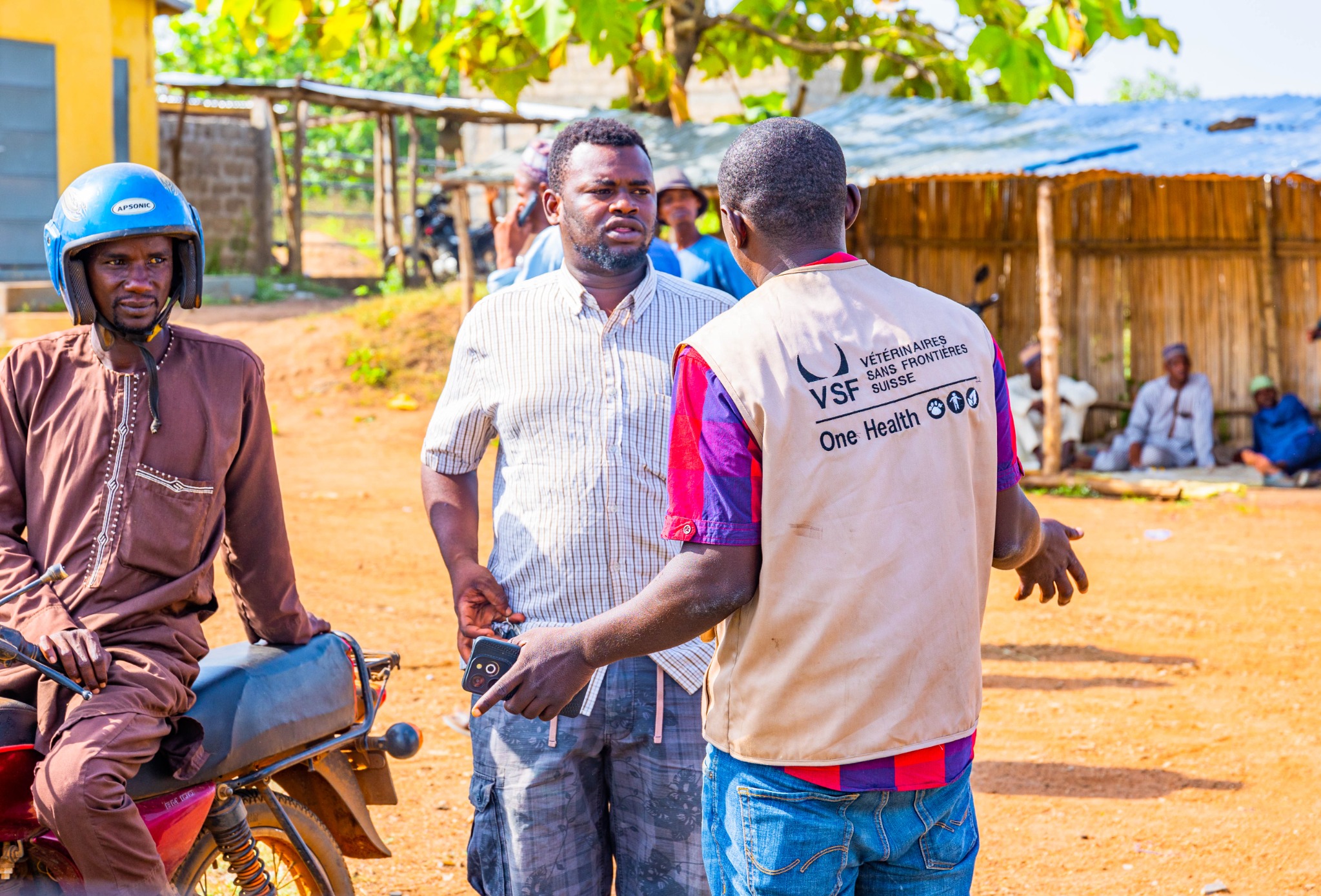
In many African communities, especially in rural and remote areas, the first animal health gestures are carried out by community animal health workers (CAHWs) and veterinary paraprofessionals (VPPs). As local actors, they are often the first, and sometimes the only, point of contact between farmers and the Veterinary Services.
Trained and supervised, the VPPs extend the action of the veterinarian to the most isolated hamlets. According to the World Organisation for Animal Health (WOAH), a veterinary paraprofessional is a person authorised by the Veterinary Statutory Body of a country, in accordance with the provisions of the WOAH Terrestrial Animal Health Code, to perform certain veterinary tasks under the responsibility and supervision of a veterinary surgeon.
The development, recognition and deployment of different categories of VPPs, with varying levels of technical skills, is an effective approach to strengthening the veterinary workforce, both in the public and private sectors. Their contribution is crucial in key areas such as animal disease surveillance and reporting, health control, food safety and improving access to clinical and preventive services for farmers, including in the most difficult to access areas.
Aware of this strategic role, WOAH supports Members (Countries and Territories) in the legal recognition and professionalisation of veterinary paraprofessionals. To this end, it has defined 16 areas of activity and key competencies that will enable VPPs to be immediately operational in the field, while guaranteeing the quality and safety of the services provided.
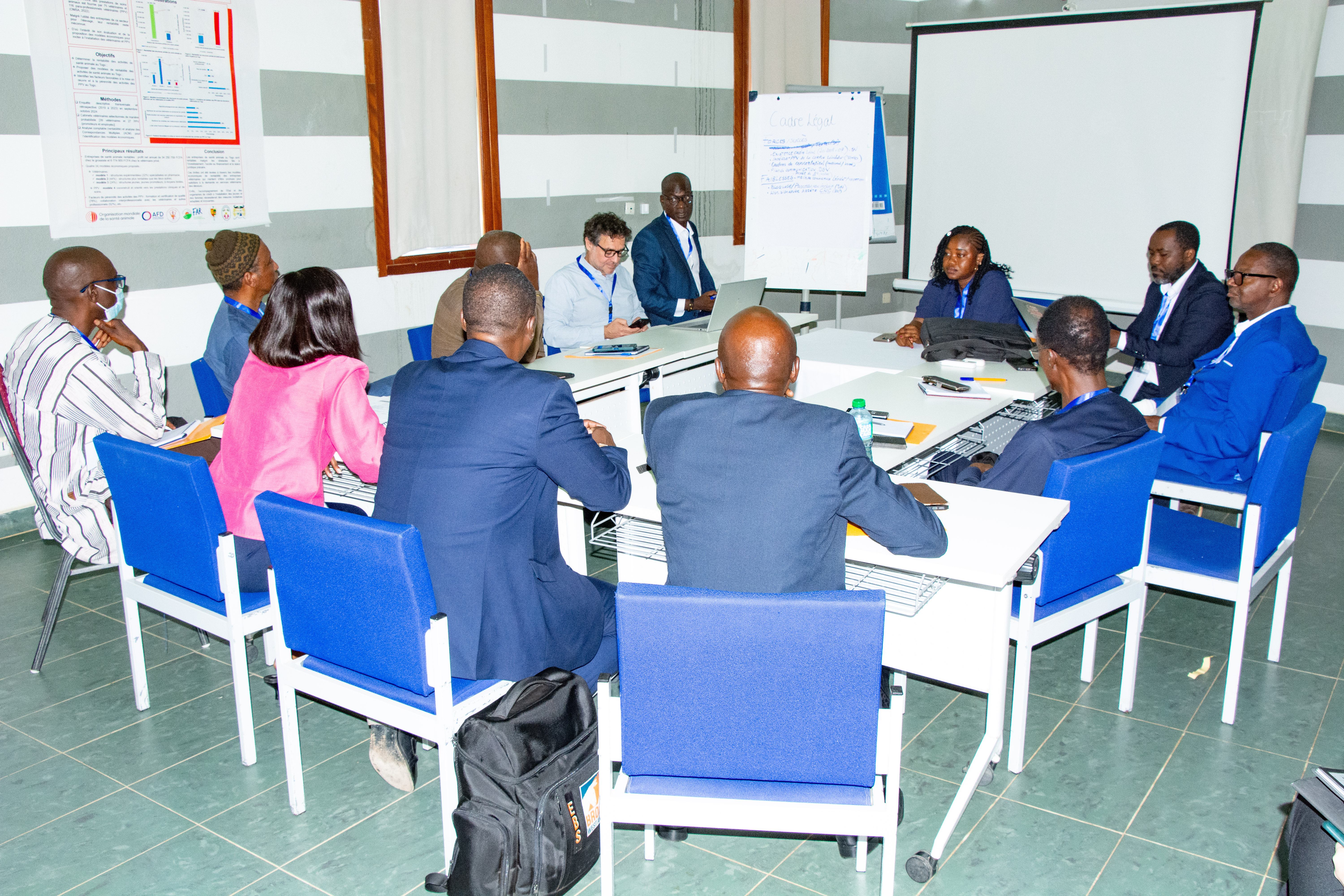
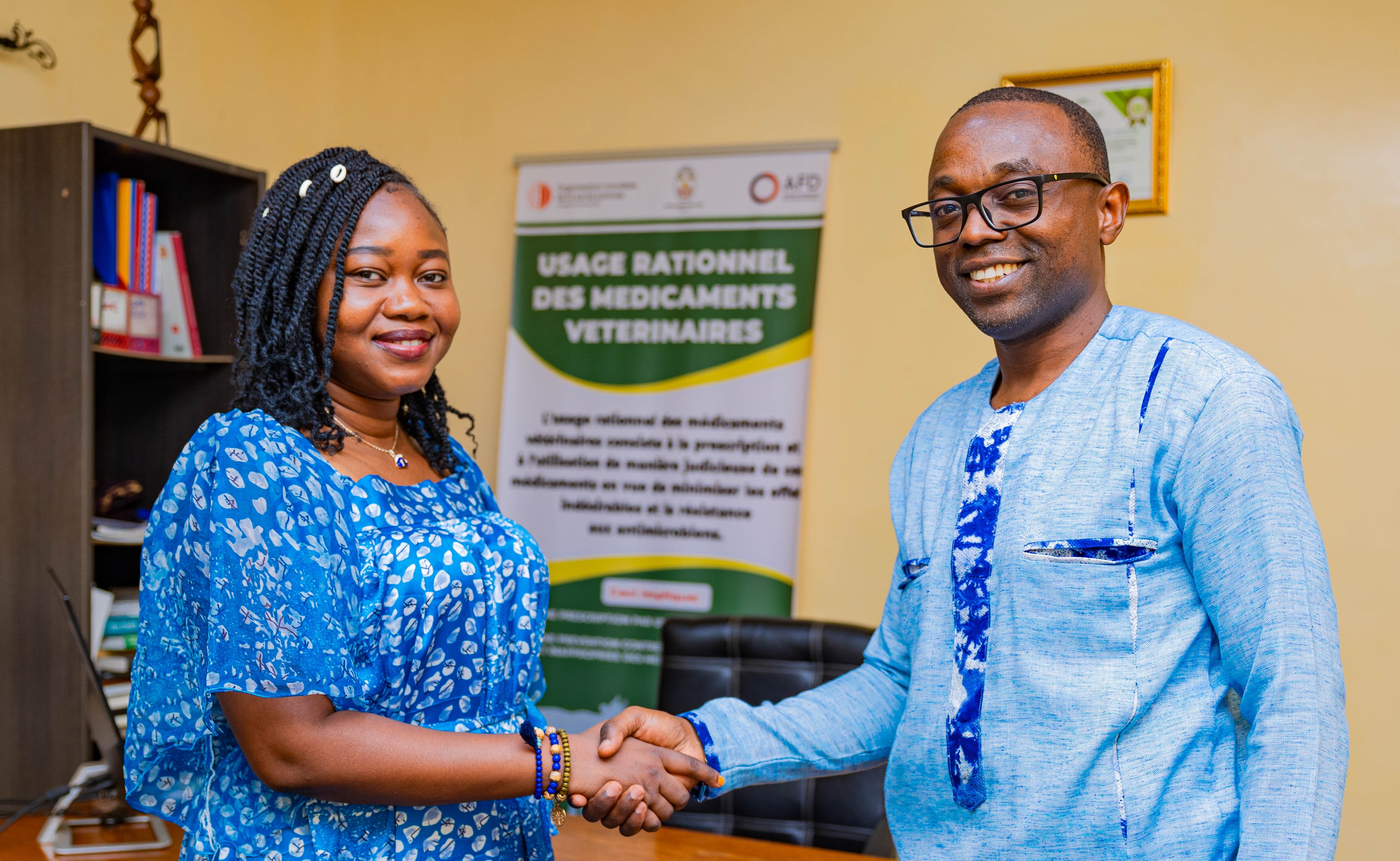
The Professionalising Veterinary Paraprofessionals (P3V) Project is fully in line with this transformation dynamic. Through the analysis and revision of training curricula, based on WOAH recommendations and guidelines, the project introduced key modules such as biosafety, One Health, antimicrobial resistance (AMR) and animal welfare, which were previously absent from some training templates.
In addition to strengthening educational content, P3V provides concrete support to students and future VPPs through financial support and the provision of internship kits. This support allows them to effectively carry out their field internships, to apply the skills acquired, to be supervised and to be part of the national animal health systems in the long term.
By structuring, training and recognising veterinary paraprofessionals, the P3V Project contributes to elevating these actors to the rank of essential partners in animal health. This strategic investment not only strengthens livestock health security but also supports the livelihoods of rural communities and strengthens the resilience of animal health systems to current and future challenges.
Veterinary paraprofessionals, pillars of animal health at the heart of communities (in French). Video (c) WOAH (P3V) 2025