NCA, Namibia
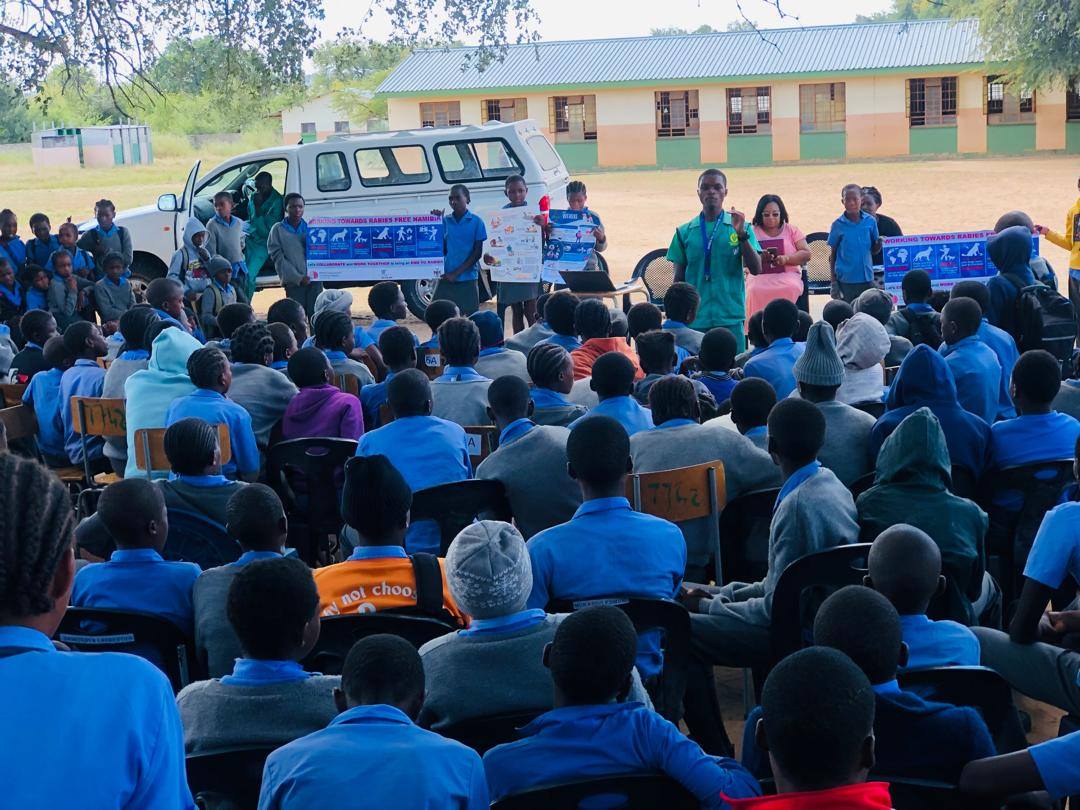
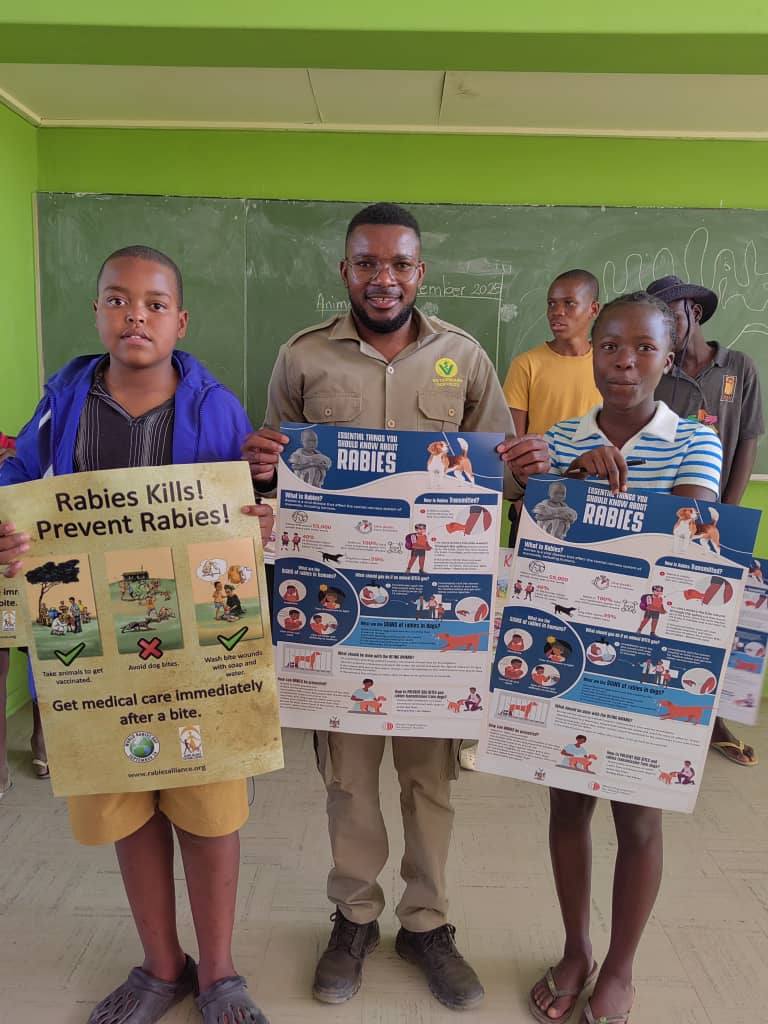
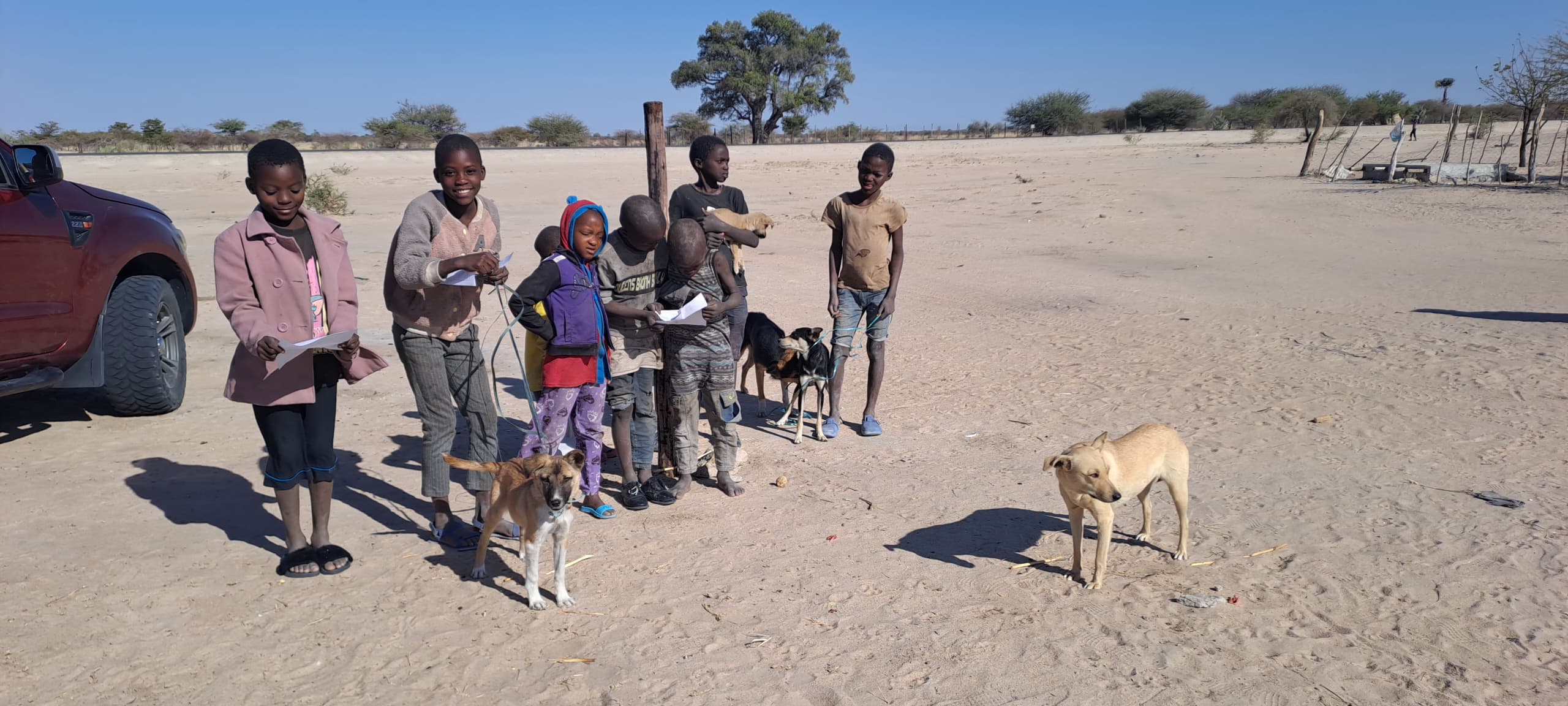
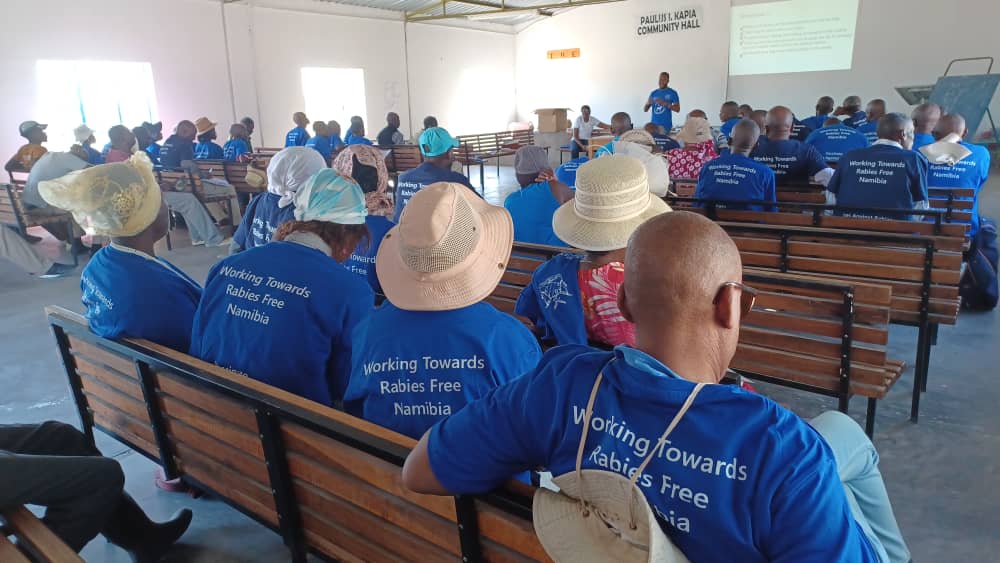
Community engagement on the rabies control programme in the Northern Communal Area (NCA) of Namibia.
August 30, 2024
Read more
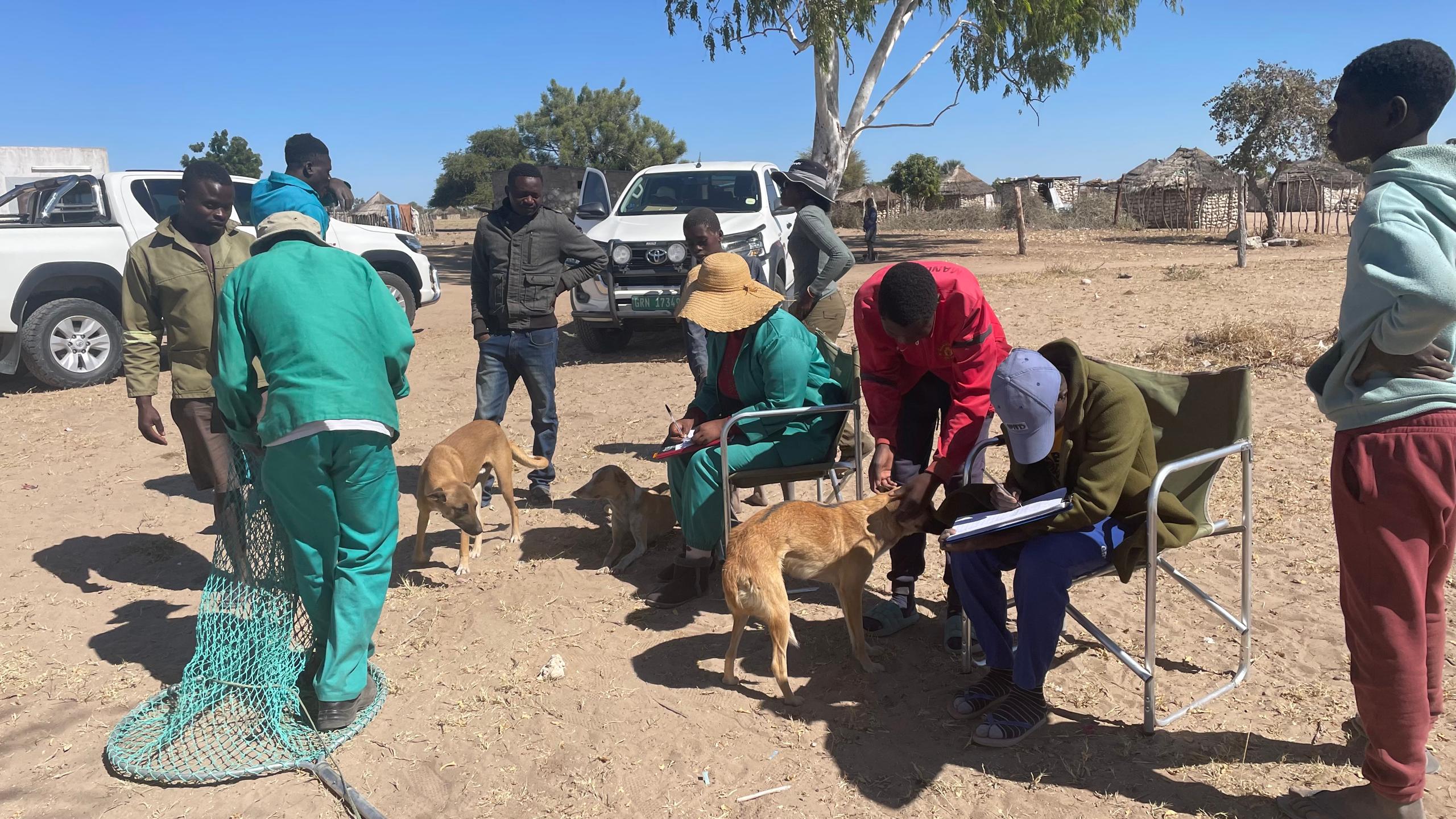
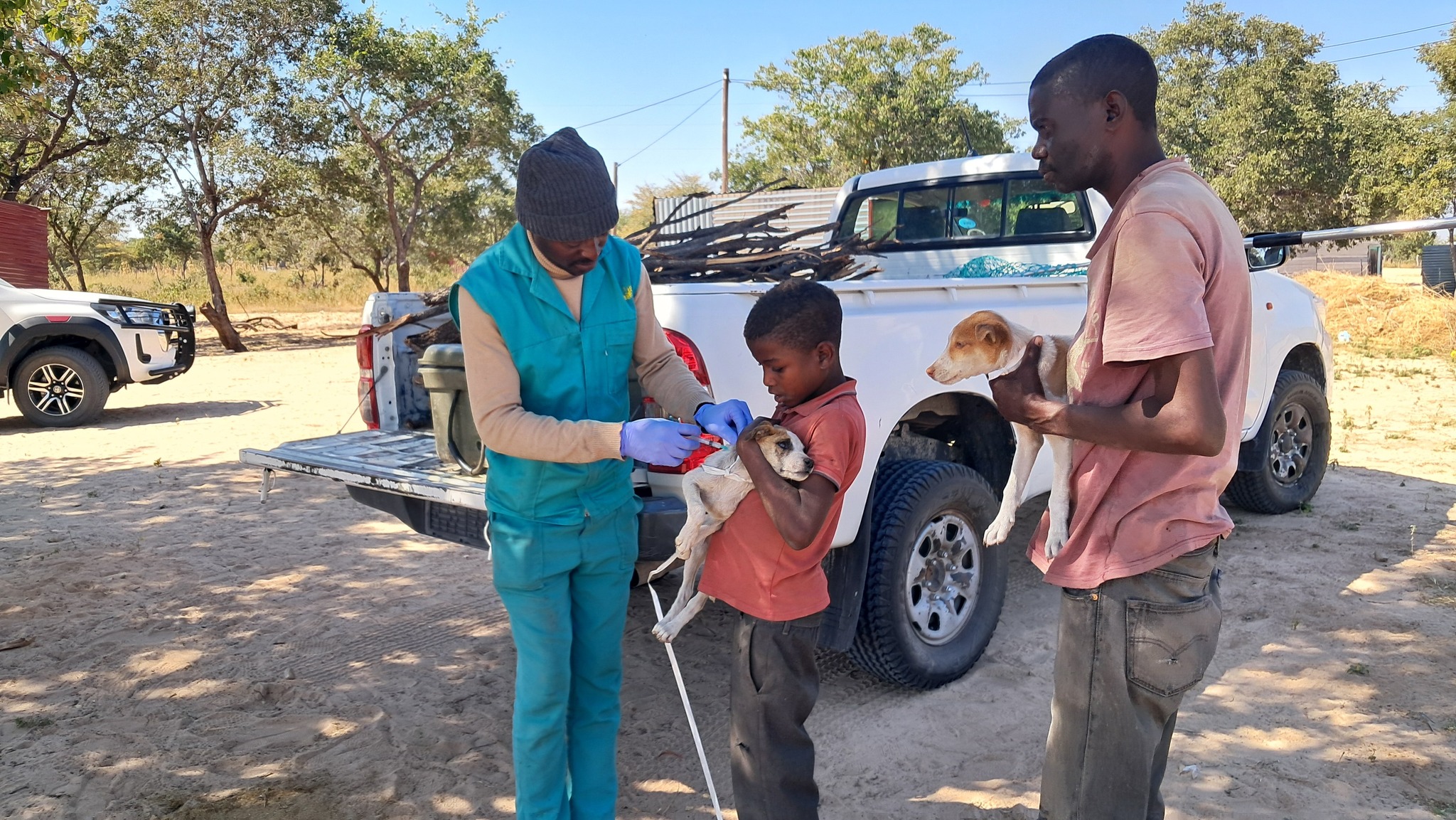
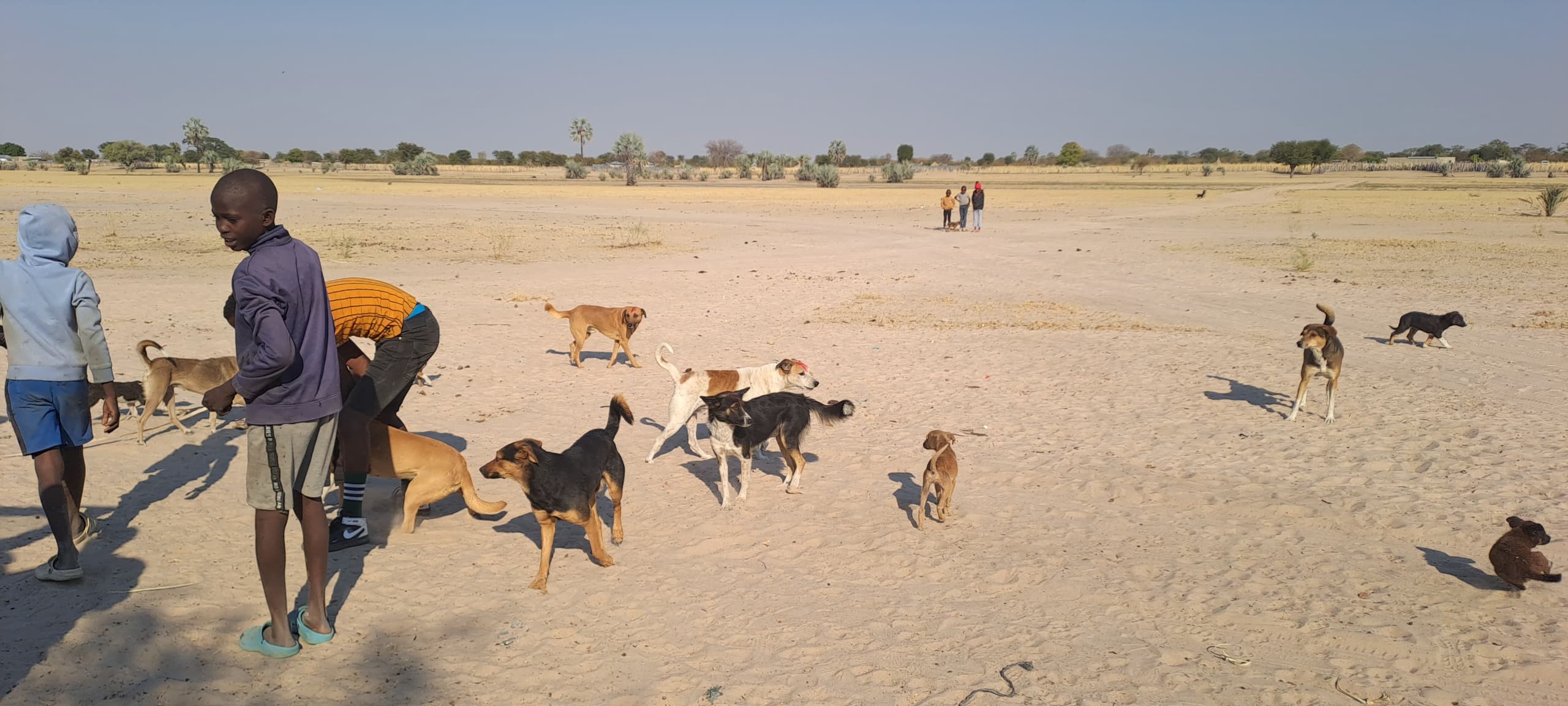
Namibia’s Directorate of Veterinary Services (DVS) has successfully completed the 2025 rabies vaccination campaign across the Northern Communal Areas (NCA), achieving major operational milestones and reinforcing the country’s long‑term commitment to eliminating dog‑mediated rabies. A targeted vaccination campaign conducted during the June–July school holidays mobilised 77 vaccination teams and covered more than 2,000 vaccination points across all eight NCA regions – Oshana, Omusati, Oshikoto, Ohangwena, Kunene, Kavango East, Kavango West and Zambezi. The 2025 campaign continued Namibia’s established three‑pronged vaccination strategy, combining
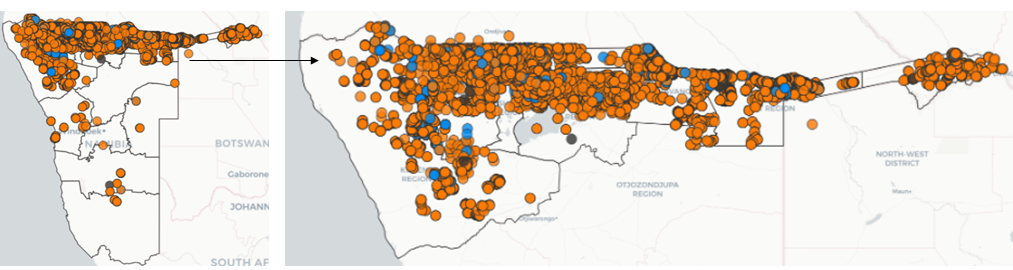
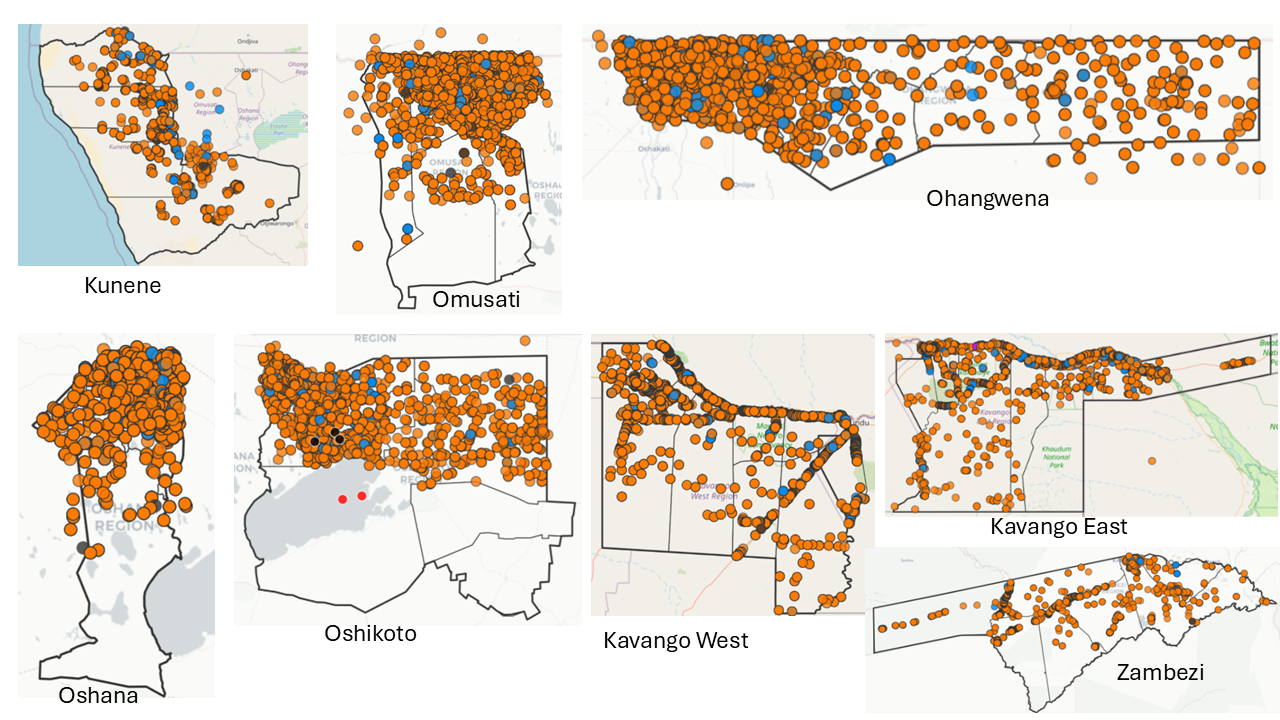
Map data from the campaign showed extensive geographical coverage across the NCA. Supported by GARC, the Global Alliance for Rabies Control, Namibia continued to use the GARC Data platform and a mobile application to track vaccination data, enabling veterinary teams to determine precisely where, when, and how many dogs were vaccinated. Veterinary teams south of the Veterinary Cordon Fence (VCF) also expanded their use of mobile tools, reflecting ongoing innovation in surveillance and data management. Vaccination teams were capacitated through specifi, as well as during the annual project review and planning workshop.
Figure 1. Rabies vaccination points across the Northern Communal Areas (NCA) in 2025, including additional vaccination points recorded south of the Veterinary Cordon Fence (SVCF). The map illustrates the extensive geographic reach of the 2025 campaign and highlights areas where mobile app–based data collection was used to track vaccination activities. (Orange dots indicate dog vaccinations, while blue dots indicate cat vaccinations)
Between January and December 2025, teams vaccinated 130,538 dogs and 11,120 cats, achieving an overall 51% vaccination coverage relative to the estimated dog population of 258,000. Although this represents a decline from the 61% coverage recorded in 2024, most regions maintained coverage above 50%, with notable improvements in Kunene region (rising from 30% to 51%) and Kavango East (from 36% to 43%). Only Zambezi and Kavango East remained below the 50% threshold, with Zambezi experiencing a sharp drop to 28% from 69% in 2024. The higher coverage in Zambezi in 2024 was partly due to the complementary use of oral rabies vaccination (ORV). The overall decline in 2025 coverage was primarily attributed to logistical constraints, including insufficient deployment of casual workers to support field operations in time.
Despite these challenges, the public health impact remained clear and encouraging only one human rabies death was reported in 2025, compared with five in 2024. Rabies incidence in dogs and geographic distribution has also reduced over the years. Long‑term trends continue to show a strong correlation between increased dog vaccination and reduced human rabies deaths, with a dramatic decline observed since 2016, when Namibia supported by the World Organisation for Animal Health (WOAH) through its regional rabies project funded by the Republic of Germany first intensified mass dog vaccination, public awareness, surveillance, and veterinary capacity‑building activities. This sustained progress reinforces the core principle underpinning WOAH’s global rabies strategy: systematic vaccination of dogs is the most effective pathway to eliminating dog‑mediated human rabies.
Figure 2 – Rabies vaccination points in each eight NCA region 2025. The blank areas on the map without vaccination points represent uninhabited zones, including areas without human settlements or designated national parks.
Namibia plans to strengthen operational capacity and improve vaccination coverage during the 2026 campaign, reaffirming its commitment to achieving zero human deaths from dog-mediated rabies. The country intends to use ORV as a complementary tool to parenteral (injectable) vaccination in 2026. Namibia’s dog‑mediated rabies control plan, formally endorsed by WOAH in May 2021, continues to guide its long‑term elimination efforts and supports the sustainability of the programme through strong government commitment.