
Dakar, Senegal
Summary of the P3V webinar (2/5): key impacts, learnings and lessons after five years of implementation
November 27, 2025
Read more
On 26 November 2025, the World Organisation for Animal Health (WOAH), with financial support from the French Development Agency (AFD), organised a webinar on the impact and capitalisation of the ‘Professionalisation of Veterinary Paraprofessionals’ (P3V) Project. The aim of this event was to highlight the main results of the Project, the lessons learned from its implementation and the prospects for consolidating the achievements.
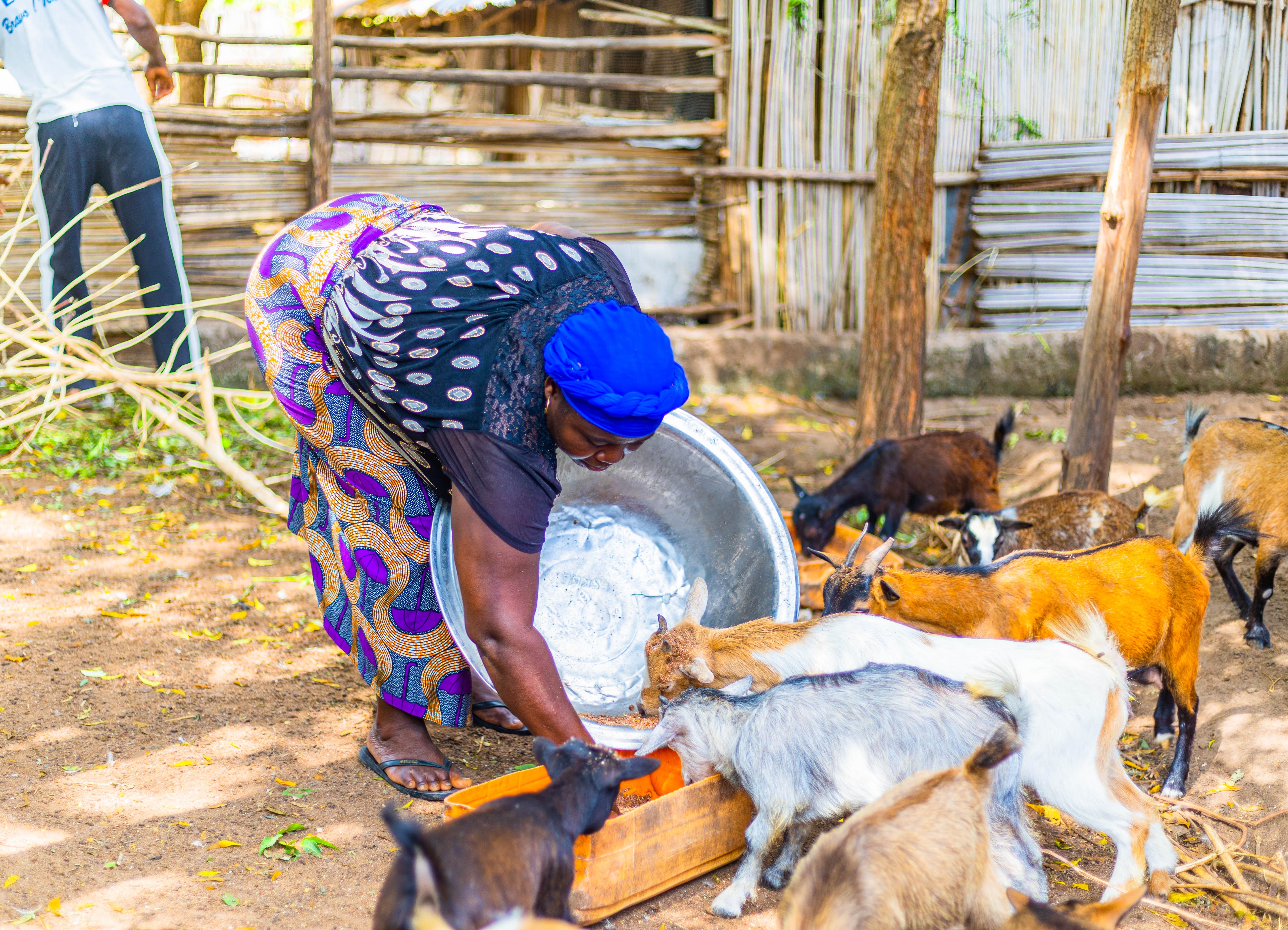
This article is part of a series of five contributions from this webinar, each corresponding to a presentation. Following an initial article providing a general overview of the P3V project and a second article analysing its impact and the lessons learned from its implementation, this third article focuses on analysing the real needs of livestock farmers in terms of veterinary services, with a particular focus on women and young people, particularly in Senegal and Togo.
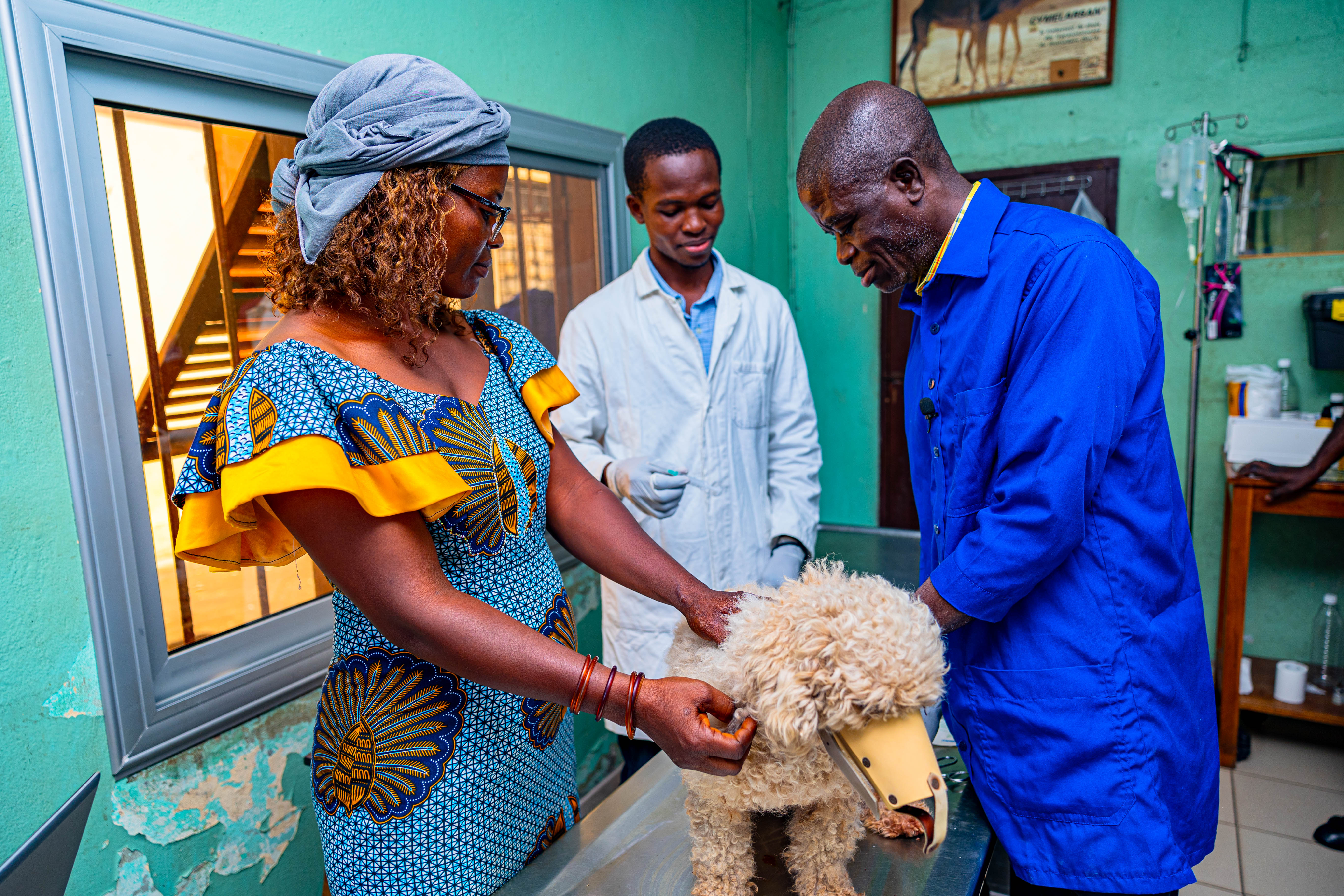
This third article is based on the presentation given by Dr Géraud Hellow, from Vétérinaires Sans Frontières Suisse (VSF-Switzerland), produced in collaboration with Brooke as part of their mandate under component 1 of the P3V project, dedicated to developing the institutional environment, promoting consultation between animal health stakeholders and strengthening the role of veterinary paraprofessionals (VPPs) within veterinary service networks.
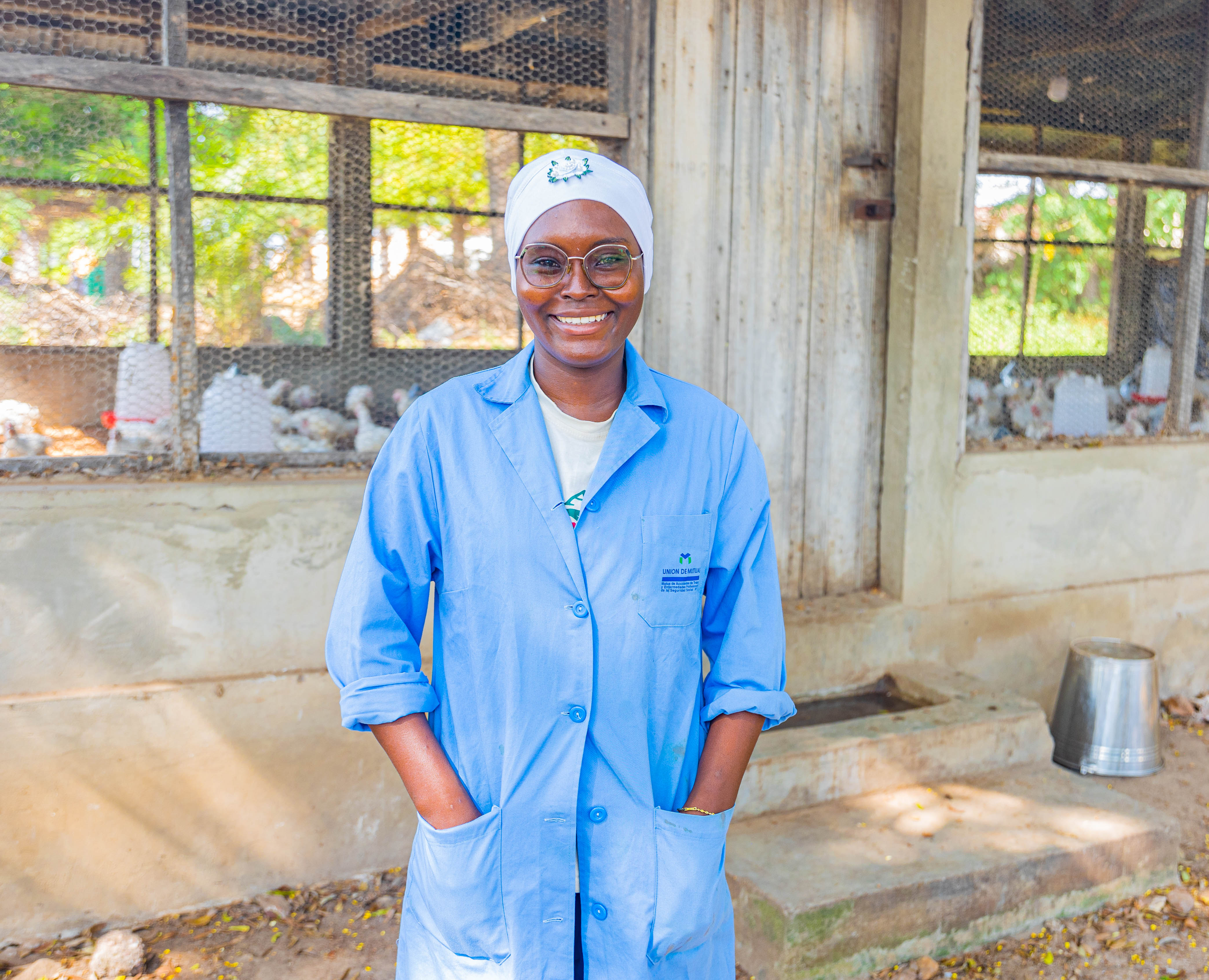
The main objective of this study was to gain a better understanding of the specific needs of women and young livestock farmers, particularly in rural areas, in order to help improve their access to high-quality veterinary services tailored to their socio-economic circumstances.
This approach responds to a shared observation: despite their central role in livestock farming systems, women and young people are often insufficiently taken into account in the design and implementation of animal health measures.
To identify these needs, Brooke and VSF-Suisse used a differentiated methodology that took into account the specific contexts of each country.
In Senegal, the approach was based mainly on:
In Togo, the methodology combined:
These approaches made it possible to collect rich data reflecting the diversity of livestock farmer profiles, production systems and local constraints.
The results of the study highlight a variety of needs, influenced by several factors: geographical location, level of education, type of livestock farming and income level.
Among the needs clearly expressed by livestock farmers are:
In rural areas, particularly among women with little or no schooling, certain needs emerged indirectly, as livestock farmers were unable to express their own needs. These needs relate in particular to:
Strengthening consultation between stakeholders
In Senegal, P3V has contributed to revitalising the national consultation framework, in place since 2018, and to establishing five regional frameworks covering the main livestock farming areas.
In Togo, the Project supported the creation of a national consultation framework, formalised by a draft decree, as well as the establishment of local frameworks in the five agroecological zones, explicitly integrating the participation of women.
Supporting communication and awareness-raising
The Project also strengthened communication and awareness-raising activities through:
With the aim of raising awareness of the roles of VPPs, strengthening the confidence of livestock farmers and promoting more informed use of veterinary services.
Despite the progress made, several challenges remain, including:
The study highlights several areas for improvement, including:
This webinar presentation highlighted the importance of placing the real needs of beneficiaries at the core of animal health interventions. By specifically taking into account the expectations of women and young livestock farmers, the P3V Project has helped to strengthen the relevance, equity and effectiveness of Veterinary Services in Senegal and Togo.
The lessons learned from this analysis provide an essential foundation for reflecting on how to sustain achievements and capitalise on experiences, which will be the subject of the fourth article in this series, devoted to capitalisation tools and their role in the sustainability of the P3V Project.
Needs of livestock farmers in terms of veterinary services in Togo and Senegal, Dr. Géraud Hellow (VSF). In French.