The World Bank Group
The Health Security Programme (HeSP) in West and Central Africa, financed by the World Bank Group, was officially launched on October 4, 2024, in Praia, Cabo Verde. Implemented by the West African Health Organization (WAHO), the HeSP Programme aims to strengthen regional and national capacities to prevent, detect, and respond to health emergencies. This programme marks a crucial step for health security in the region and adopts a “One Health” approach, promoting collaboration between the human health, animal health, and environmental sectors, with the objective of strengthening the resilience of health systems and ensuring an effective response to health emergencies. The HeSP Programme also aims to improve regional cooperation and increase the capacity of health systems in West and Central African countries to prevent, detect, and respond to health crises. The HeSP programme will be implemented in several phases. After the initial phase implemented in Cabo Verde, Guinea, and Liberia, other countries in West and Central Africa will join the programme during subsequent phases.
The HeSP programme has four main components:
As part of this programme, WOAH provides technical assistance to WAHO for the implementation of animal health activities through components 1, 2, and 4.
The HeSP initiative aims to boost health security in the sub-region. During its first phase, the USD 500 million IDA-financed multiphase operation will involve Cabo Verde, Guinea, Liberia, and the Economic Community of West African States (ECOWAS) Member States to increase collaboration and improve health system capacities to prevent, detect, and respond to health emergencies in the region.
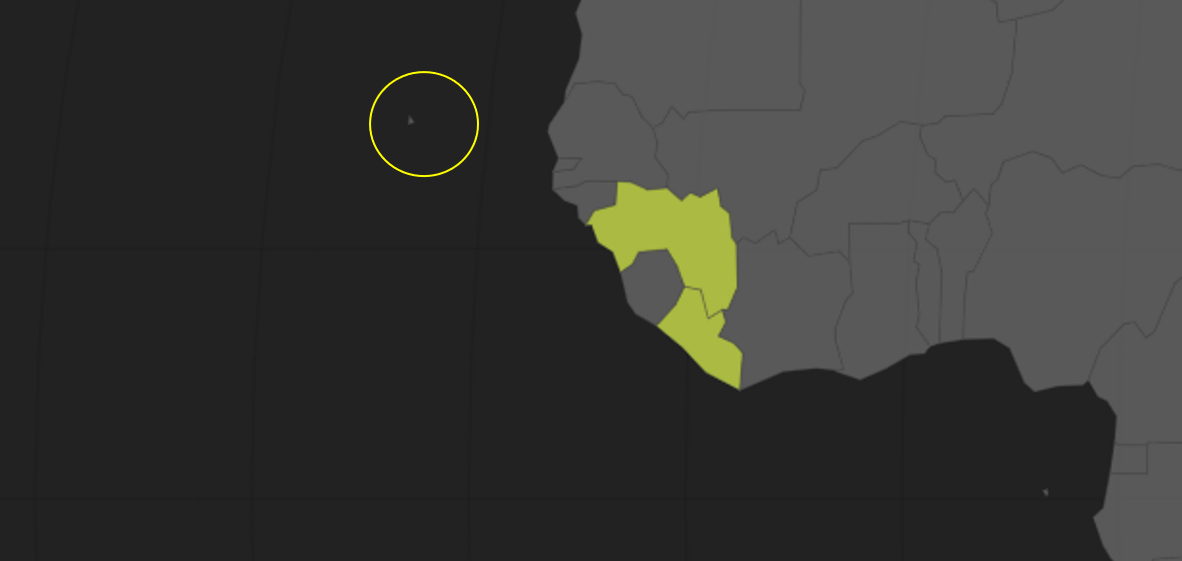
Map. Initial beneficiary countries : Cabo Verde, Guinea and Liberia. *
The regional programme seeks to ramp up multisectoral preparedness and response capacities for health emergencies, relying on a “One Health” approach to optimise the health of people, animals, and ecosystems. Health security interventions aim to address the intertwined nature of pandemics, antimicrobial resistance, and climate-related challenges persistent in the region, with priority given to gender related risks and equity considerations.